Facial Skin Analysis: The Essential for Modern Skincare Businesses and Client Success
The Overview of Facial Skin Analysis for Modern Skincare Business
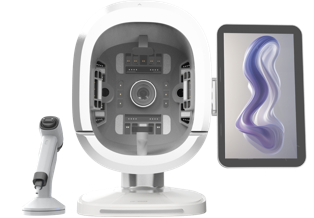
In an industry once dominated by anecdotal advice and one-size-fits-all solutions, a new standard of precision and personalization has emerged. The modern skincare consumer is educated, discerning, and demands treatments and products backed by science and tailored to their unique biological blueprint. This paradigm shift is being powered by one transformative technology: face skin analysis. More than just a high-tech gadget, comprehensive face analysis for skin care represents a fundamental change in how professionals diagnose conditions and how clients understand their skin. Personalized skin analysis, driven by advanced technology, now delivers tailored results based on each individual's unique skin profile. This deep-diving facial skin analysis process, facilitated by sophisticated imaging equipment (e.g., Visia Complexion Analysis System, Observ 520x), is revolutionizing operations for beauty salons, dermatology clinics, and retail skincare stores alike, creating a new ecosystem where data-driven insights lead to unparalleled efficacy and business growth.
This ultimate guide will explore the multifaceted world of face skin analysis, detailing its scientific mechanisms, tangible benefits for businesses and clients, and compelling return on investment (ROI). We will demystify what the technology reveals, illustrate real-world success stories, and explain why integrating this tool is no longer an option but a necessity for any enterprise committed to leading in the future of skincare—including synergies with advanced aesthetic technologies like laser treatments. The process is generally quick, user-friendly, and privacy-conscious, making it accessible for both professionals and clients. Modern systems often feature AI skin analysis, which uses artificial intelligence to assess skin conditions and provide personalized recommendations with ease.
What is Facial Skin Analysis?
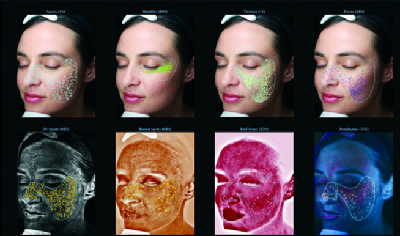
At its core, face skin analysis is a non-invasive diagnostic procedure that utilizes advanced imaging technology and artificial intelligence to evaluate the skin’s condition at a microscopic level. It is the definitive evolution beyond the magnifying lamp, moving from subjective observation to objective, quantifiable data. Modern facial skin analysis systems are engineered to capture a multi-layered portrait of skin health, employing various light spectra to illuminate concerns that are entirely invisible under normal lighting conditions.
The process of professional face analysis for skin care is both simple and data-rich:
-
Clients are asked to take a photo or take a selfie of their face, often from 4–6 angles, using a high-resolution camera with specialized light modes.
-
AI-driven software then performs a scan of the uploaded photo to assess various skin attributes, quantifying key skin metrics (e.g., pore size, melanin concentration).
-
A detailed skin report is generated, which may include a calculated age of the skin, highlighting strengths, vulnerabilities, and actionable insights.
Key light modes and their functions:
-
Standard & Cross-Polarized Light: Reveals surface-level conditions (redness, visible pores, texture irregularities).
-
UV Light: Penetrates 2–3mm to expose accumulated sun damage (UV spots), bacterial growth, and early pigmentation.
-
RBX (Red & Brown) Light: Separates and quantifies red areas (inflammation, broken capillaries) from brown areas (melanin, hyperpigmentation) with 90%+ accuracy.
This data eliminates guesswork, forming the foundation for hyper-personalized treatment plans—whether combining professional laser therapies (e.g.,fractional lasers for pigmentation/anti-aging) or at-home skincare regimens. The analysis reveals each skin's unique characteristics, ensuring recommendations are tailored to individual needs.
Why Facial Skin Analysis is Essential for Modern Businesses
Adopting facial skin analysis equipment is a strategic investment that delivers competitive advantages across beauty, dermatology, and retail sectors. Customers benefit from personalized recommendations that address their unique concerns, while businesses can achieve better outcomes by leveraging data-driven insights. The tool helps target specific client needs and drive improvement in service quality, leading to higher satisfaction and loyalty. Clients also discover new aspects of their skin's health through the analysis, empowering them to make informed decisions about their skincare routines. Below are real-world examples of its impact:
1) For Skincare Professionals: Building Trust Through Data-Driven Expertise
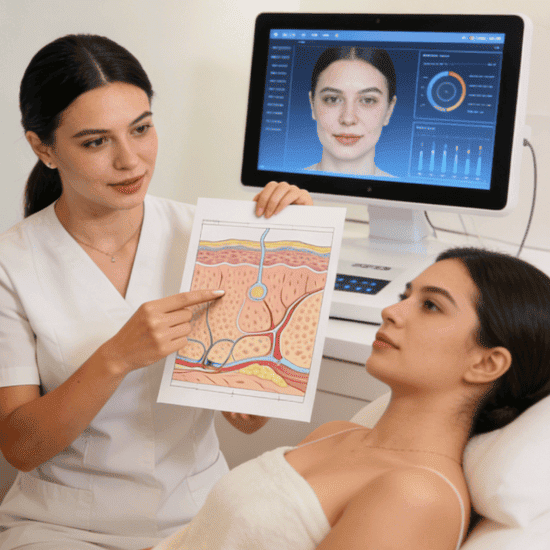
For estheticians, dermatologists, and salon owners, face skin analysis transforms service delivery from “intuitive” to “irrefutable.” When you can show a client, rather than just tell them, the condition of their pores, the extent of their sun damage, or the depth of their wrinkles, you transition from a service provider to a trusted expert. It allows professionals to create hyper-personalized treatment protocols, ensuring that every facial, peel, or laser treatment is precisely targeted for maximum impact and client satisfaction. In addition, professionals can provide actionable tips tailored to each client's unique skin concerns and goals, such as personalized skincare advice and product recommendations based on the analysis results.
Case Study: Urban Dermatology Clinic A mid-sized clinic in UK, integrated the Jingyue Advanced Skin Analysis System into its consultation process. Within 6 months:
-
Client retention increased by 38% (due to transparent progress tracking).
-
Upsells of laser treatments (e.g., fractional CO2 for wrinkles) rose by 52%—clients were more likely to commit after seeing quantified wrinkle depth in their report.
-
Negative reviews decreased by 70% (no more “unexpected” treatment outcomes).
2) For Retail Skincare Stores: From Sales to Consultative Expertise
In crowded retail environments, face analysis for skin care differentiates brands by turning sales associates into “skincare consultants.”
Case Study: Luxury Skincare Boutique Chain A national chain of 15 boutiques added the Jingyue portable analysis tool to its stores. Results:
-
Average transaction value increased by $89 (clients purchased 2–3 targeted products instead of 1).
-
Product returns dropped by 41% (data eliminated “wrong fit” purchases).
-
Customer loyalty program sign-ups rose by 63% (clients returned for follow-up analyses to track progress).
The facial skin analysis report acts as a “prescription”: if UV light reveals hidden sun damage, recommending a vitamin C serum or broad-spectrum sunscreen becomes a logical, data-backed suggestion—not a sales pitch. The analysis generates personalized product recommendations that match the client’s unique skin profile, helping them establish a tailored skincare routine based on their specific concerns and needs.
3) For the End-Consumer: Empowerment Through Clarity
From the client’s perspective, undergoing a face skin analysis is an enlightening experience. Common “aha!” moments include:
-
Discovering dehydration (not dryness) is the root of dullness (revealed by hydration metrics).
-
Seeing 5x more sun damage than visible to the naked eye (UV light analysis), driving consistent sunscreen use.
-
Understanding that acne is linked to bacterial growth (UV light) or inflammation (RBX), not just “oiliness.”
The analysis helps clients clearly identify their skin goals and pinpoint their top skin concern, allowing for more targeted and effective skincare decisions.
This education turns passive consumers into active partners in their skincare journey, increasing adherence to treatment plans and long-term satisfaction. Based on the analysis, the system can suggest a personalized regimen or best treatment to treat the client’s top concern, ensuring recommendations are tailored to their unique needs.
Learn More Face Analysis for Skin Care Tools
What Does Facial Skin Analysis Actually Measure?
A comprehensive face analysis for skin care goes far beyond a simple assessment of “good” or “bad” skin. It provides a detailed, quantitative breakdown of the skin’s key biomarkers, each directly informing treatment and product recommendations. This analysis helps identify specific skin concerns and characteristics, guiding personalized skincare solutions. The table below summarizes metrics, measurement methods, and clinical/retail applications:
|
Biomarker |
Measurement Capability |
Key Applications |
|---|---|---|
|
1. Pore Size & Sebum Production |
Quantifies pore diameter (μm) and sebum distribution (0–100 scale). |
Recommend oil-controlling cleansers, chemical peels, or laser pore reduction. |
|
2. Wrinkles & Fine Lines |
Maps depth (shallow/medium/deep) and density (number per cm²). |
Pair retinoids with fractional laser treatments for anti-aging. |
|
3. Melanin & Hyperpigmentation |
Detects sub-surface melanin (0–200 scale) and classifies pigmentation type (melasma/sun spots). |
Prescribe tranexamic acid serums or Q-switched laser therapy. |
|
4. Hydration & Barrier Function |
Measures stratum corneum moisture (20–80% range) and lipid content. |
Recommend hyaluronic acid serums or ceramides to repair the skin barrier. |
|
5. Sun Damage & UV Spots |
Counts UV-induced pigmented lesions (invisible to the naked eye). |
Drive sunscreen sales and recommend IPL for spot correction. |
|
6. Texture & Elasticity |
Analyzes skin smoothness (RA value) and firmness (0–100 scale). |
Recommend microcurrent therapy or collagen-stimulating peptides. |
|
7. Skin Tone |
Assesses evenness, undertone, and color variation across the face. |
Match tinted sunscreens or foundations and tailor brightening treatments. |
Follow-up assessments allow users to track measurable improvement in their skin over time, ensuring that skincare routines and product choices are continually optimized for the best results.
What a Client Sees: The Step-by-Step Facial Skin Analysis Experience
Integrating face skin analysis into the client journey transforms a routine transaction into a memorable, educational, and collaborative experience. Here’s how it maps to the client journey:
Privacy Note: During the process, the system temporarily stores your selfie for analysis and your selfie is deleted after the process is complete. Providing your name and contact information is voluntary and privacy-protected.
|
Step 1: Pre-Consultation (5 mins) |
Step 2: Imaging Session (10 mins) |
Step 3: Report Review (15 mins) |
Step 4: Personalized Plan & Follow-Up |
|---|---|---|---|
|
* Client answers a few quick questions (skin type, concerns, current routine) to personalize their experience. * You may be asked to provide your name and contact information—this is voluntary and privacy-protected. * Professional explains the non-invasive imaging process (no discomfort, no downtime). |
* Client uses their mobile phone to take a selfie—no need to download an app or any app to use; the tool is web-based and easy to use. * Alternatively, scan a QR code to quickly access the analysis tool. * Real-time previews build anticipation (“Wait until you see what the UV light reveals!”). |
* Professional walks the client through their “skin map,” using heatmaps to simplify complex data: * “This red area on your cheeks indicates low-grade inflammation—we can address it with a calming mask and IPL.” * “These UV spots are from past sun exposure—let’s pair a vitamin C serum with monthly laser treatments to fade them.” * Client receives answers to their skin concerns and can save or save my results for future reference. * Client contributes feedback, ensuring alignment on goals (e.g., “I want to prioritize anti-aging over pore reduction”). |
* A tailored plan is created (e.g., 3 laser sessions + 2 at-home products). * Clients can sign up to receive their report or receive promotional messages if they choose. * Follow-up analysis is scheduled (4–6 weeks later) to track progress—visual improvements in the report drive retention. * Discover personalized recommendations and use the tool easily without needing to download anything. |
How Facial Skin Analysis Machine Can Boost Sales and Client Loyalty
While there is an upfront cost to acquiring face skin analysis machine, the investment is quickly recouped through multiple, synergistic revenue streams. The ROI is significant and measurable.
✅Increased Service Revenue:
For service-based businesses, the ability to justify and upsell targeted treatments is a direct revenue booster. A client is far more likely to book a series of chemical peels for their hyperpigmentation when they can see the quantified melanin spots on their report. This data-driven justification allows businesses to command premium prices for their specialized, results-oriented services.
✅ Supercharged Retail Sales:
This is where the ROI becomes particularly dramatic. The face skin analysis report acts as a direct prescription for home-care products. When the analysis clearly shows high levels of dehydration, recommending a specific hyaluronic acid serum is a logical next step, not a sales pitch. This evidence-based approach can lead to a substantial increase in retail attachment rates and average transaction values, making the facial skin analysis unit pay for itself through product sales alone.
✅ Enhanced Client Loyalty and Retention:
Clients who invest in a personalized skin care plan based on objective data are more committed and less likely to churn. The ability to conduct follow-up analyses to track progress creates a compelling reason for clients to return, ensuring a steady, predictable revenue stream from a loyal customer base.
✅ Powerful Marketing and Brand Differentiation:
Marketing your business as offering "AI-powered face analysis for skin care" is a powerful message. It provides rich content for social media, email campaigns, and in-store promotions, attracting a clientele that values innovation and scientific expertise. This positions your business as a leader, not a follower, in the competitive beauty and wellness market.
Get A Free Quote For Facial Skin Analysi Machine
Future Trends: Integrating Face Analysis with Advanced Aesthetics
The next frontier of face skin analysis lies in its synergy with cutting-edge aesthetics technologies:
-
Laser Treatment Personalization: AI analyzes skin thickness and pigmentation to adjust laser parameters (e.g., fluence, pulse duration) for safer, more effective results.
-
Predictive Analytics: Systems like the Observ AI can forecast how skin will respond to treatments (e.g., “Your melasma will fade by 40% after 3 Q-switched laser sessions”).
-
Tele-Analysis: Remote skin analysis tools (e.g., smartphone-compatible scanners) enable virtual consultations, expanding your client base beyond physical locations.
Conclusion: The Future of Skincare is Personalized, Precise, and Powered by Analysis
The era of generic skincare is over. The demand for personalization, transparency, and proven results is the new normal. Face skin analysis is the cornerstone of this new era, providing the objective data needed to meet and exceed these demands. It bridges the gap between art and science, between intuition and evidence.
Investing in facial skin analysis machine is more than a purchase; it is a declaration of a commitment to excellence. It empowers businesses to deliver unparalleled value, forge deeper client relationships, and build a sustainable, growing enterprise. For the consumer, it offers a journey to the best skin of their life, guided by clarity and confidence. From the salon to the sales floor, face analysis for skin care is the definitive tool for success in the modern, data-driven world of beauty. Embrace the power of facial skin analysis and lead the transformation. Consult the Facial Skin Analysis Products
How Often Should a Skin Analysis Be Performed?
Why Should Estheticians Study Skin Analysis Skill?
Related Article