How Often Should a Skin Analysis Be Performed?
Introduction
In the ever-evolving world of skincare, one question remains paramount for both enthusiasts and professionals: how often should a skin analysis be performed? While daily routines are essential, understanding the state of your skin beneath the surface is critical for long-term health and addressing specific concerns. A professional skin analysis goes beyond the mirror, using technology and expertise to assess hydration, sun damage, pore health, sensitivity, and signs of aging. This guide will delve deep into the factors that determine the optimal frequency for this vital practice, ensuring your skincare regimen is as effective and personalized as possible.
Understanding Professional Skin Analysis
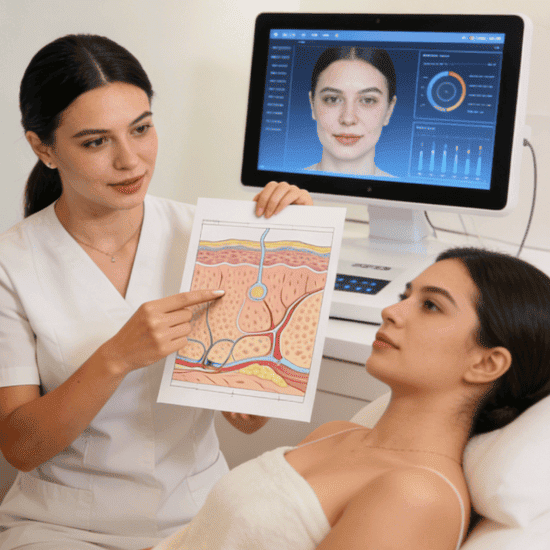
Before determining frequency, it’s important to understand what a skin analysis entails. Unlike a casual glance in your bathroom mirror, a professional analysis is a diagnostic tool. Patients can expect a thorough evaluation that may include visual inspection, use of digital imaging systems, or moisture scanners to assess various aspects of skin health. The process typically involves several steps to ensure all potential issues are identified, making it a comprehensive examination.
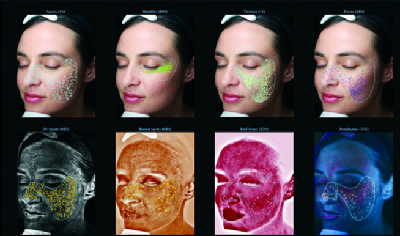
It often uses devices like digital imaging systems, AI skin analysis tools, or moisture scanners to reveal issues not visible to the naked eye, such as:
-
Subsurface sun damage and pigmentation
-
Deeper hydration levels
-
Bacterial presence or subclinical inflammation
-
The condition of the skin’s barrier function
-
Precise pore size and sebum production
This process provides a baseline—a “map” of your skin’s current territory—which is essential for creating a targeted treatment plan. Therefore, the decision on how often a skin analysis should be performed starts with establishing this initial benchmark.
Key Factors Determining Skin Analysis Frequency
There is no universal answer. The ideal schedule depends on a confluence of personal factors. How often should you get a skin analysis? This depends on your individual needs, but regular assessments are important for maintaining healthy skin and catching potential problems early.
For those with a history of skin cancer, excessive sun exposure, or ongoing skin issues, skin analyses should be performed more frequently. High-risk individuals may need professional check-ups and self-exams at shorter intervals to monitor for changes and address skin issues promptly.
1. Skin Type and Specific Concerns
Your innate skin type and your primary goals are the biggest drivers.
-
Acne-Prone or Oily Skin: Individuals managing breakouts or excessive oil may benefit from more frequent check-ins, potentially every 4-8 weeks, especially when starting a new clinical treatment such as HydraFacial or microdermabrasion protocols. This allows for adjustments based on the skin's response.
-
Aging or Sun-Damaged Skin: Those focusing on anti-aging, hyperpigmentation, or texture may find a quarterly schedule (every 3-4 months) effective for tracking progress and introducing new treatment modalities like peels or Q-switch laser treatments.
-
Sensitive or Rosacea-Prone Skin: Caution is key. An initial analysis is crucial, and follow-ups should be scheduled around new product introductions or treatment plans, typically every 2-3 months, to ensure the skin is tolerating regimens well.
-
"Normal" or Balanced Skin: For maintenance and prevention, a bi-annual analysis (every 6 months) is often sufficient to catch any subtle changes early.
2. Age and Life Stages
Our skin’s needs evolve dramatically over time.
-
20s & 30s: Focus is often on prevention, oil control, and early sun damage correction. An annual to bi-annual analysis can be a great preventative measure.
-
40s & 50s: As collagen production declines and hormonal changes occur (like menopause), skin may shift dramatically. Scheduling an analysis every 3-4 months can help adapt routines to these changes effectively.
-
60+: Skin becomes thinner and more fragile, and reduced elasticity contributes to slower healing and increased vulnerability to conditions like skin cancer. Frequent, gentle analyses (every 3-4 months) can help manage dryness, thinning, and fragile capillaries. Regular skin exams are essential for older adults to catch potential issues early, as aging skin is more vulnerable to skin cancer and other dermatological concerns.
3. Seasonal Changes
Seasonal shifts profoundly impact skin health—temperature, humidity, and sun exposure fluctuate, altering hydration levels and barrier function. A seasonal analysis (every 3 months) is a strategic approach:
-
Winter to Spring: Assess dryness and barrier damage from cold, plan for increased sun exposure.
-
Summer to Fall: Evaluate sun damage, pigmentation, and oiliness, and prepare for drier air.
4. Undergoing Professional Treatments
If you are receiving clinical treatments (e.g., chemical peels, microneedling, laser therapy, or professional laser hair removal), a skin analysis is non-negotiable. It should be performed before starting any series of treatments and often between sessions to monitor healing, gauge effectiveness, and plan the next steps. Your aesthetician or dermatologist will dictate this schedule.
-
Before treatment: Maps baseline skin condition to set safe, effective parameters (e.g., laser energy levels for pigmentation).
-
Between sessions: Monitors healing, assesses progress via imaging , and adjusts treatment intervals or intensity.
-
Frequency: Typically every 4–8 weeks, as directed by your aesthetician or dermatologist.
5. Lifestyle and Environmental Factors
High-stress periods, significant dietary changes, a new fitness routine, relocation to a different climate, or changes in medication can all trigger skin changes. It is wise to schedule an analysis 4-6 weeks after any major lifestyle shift to understand its impact.
-
High-stress periods or significant dietary shifts (e.g., new allergies, increased sugar intake).
-
Relocation to a different climate (e.g., dry desert vs. humid coastal regions).
-
Changes in medication (e.g., antibiotics, hormonal treatments) or skincare routines.
Skin Analysis and Sun Exposure
Sun exposure is one of the most significant factors affecting skin health, making regular skin analysis essential—especially for those who spend extended periods outdoors. High sun exposure can accelerate skin aging, trigger pigmentation, and increase the risk of developing skin cancer, including squamous cell carcinoma and basal cell carcinoma. Individuals with fair skin are particularly vulnerable, as they are more prone to sunburn and sun-induced skin conditions.
A thorough skin analysis allows for early identification of sun damage and other changes that may not be immediately visible. By assessing the skin’s current state, professionals can tailor skin care recommendations to address specific needs, such as repairing sun damage or strengthening the skin’s barrier function. This proactive approach is vital for maintaining skin health and protecting against future harm.
Regular skin analysis is not just about aesthetics—it’s a critical step in reducing your risk of skin cancer. By catching early signs of sun-related issues, you can take targeted action to protect your skin, adjust your routine, and ensure your skin care needs are met as your environment, age, and lifestyle evolve. For anyone with high sun exposure or fair skin, making skin analysis a routine part of your skin care is essential for long-term health and wellness.
Full Body Skin Exam
A full body skin exam is a comprehensive evaluation of your entire body’s skin, from the scalp and ears to the soles of your feet. This exam, performed by a dermatologist, is designed to identify common types of skin cancer—including melanoma—as well as other skin conditions that may go unnoticed in daily life. The process is painless and provides invaluable peace of mind, ensuring that even hard-to-see areas are thoroughly checked for unusual spots, moles, or changes in skin texture.
Annual full body skin exams are essential for everyone, but especially for those with a family history of skin cancer or individuals who have experienced high levels of sun exposure. If you have a history of skin cancer or other risk factors, your dermatologist may recommend more frequent exams to catch early signs of trouble. Early detection is key: identifying skin cancer in its earliest stages dramatically improves treatment outcomes and can be life-saving.
By making full body skin exams a regular part of your health routine, you empower yourself to catch early signs of skin cancer, address potential issues before they become serious, and maintain optimal skin health. Don’t overlook the importance of this simple, painless exam—it’s a vital tool in protecting your well-being.
Recommended Do Skin Analysis Frequency Guidelines
Synthesizing the factors above, here is a general framework for how often a skin analysis should be performed:
For most adults, dermatologists recommend a full-body skin exam once a year. Scheduling a visit with a dermatologist annually is important for early detection of skin cancer and monitoring overall skin health. Approximately 1 in 5 Americans will develop some form of skin cancer by the age of 70, so regular exams are crucial. Routine body skin exams help identify suspicious skin lesions before they become dangerous, and early detection increases treatment success while reducing the need for more invasive procedures. Individuals with fair skin or a history of using tanning beds have an increased risk of skin cancer and should be especially vigilant.
|
1)Minimum Standard(All Skin Types) |
2)For Most People (Maintenance) |
3)For Targeted Treatment or Changing Skin |
4)For Active Clinical Treatment Management |
|---|---|---|---|
|
Once a year. Think of this as your skin’s “annual check-up.” It’s essential for everyone, even those with no major concerns, to track baseline changes and adjust for prevention. |
Every 6 months (Bi-Annually). This biannual schedule aligns with seasonal peaks (summer/winter) and allows for timely routine adjustments. |
Every 3-4 months (Quarterly). This is recommended for those actively addressing specific issues (acne, aging, pigmentation), undergoing treatments, or experiencing life-stage shifts. |
As directed by your professional, potentially every 4-8 weeks. Frequency is tied directly to treatment cycles. |
Early Detection, Skin Cancer, and Prevention
Early detection is the cornerstone of effective skin cancer prevention and treatment. Regular skin exams—both professional and at-home—play a crucial role in identifying early signs of skin cancer, such as new or changing moles, unusual spots, or shifts in skin texture. Monthly self-exams allow you to become familiar with your skin’s normal appearance, making it easier to spot potential issues as soon as they arise.
Understanding your personal risk factors is essential. If you have fair skin, a family history of skin cancer, or a personal history of sunburns or extended sun exposure, you are at higher risk and should be especially vigilant. High-risk individuals benefit from combining monthly self-exams with regular professional skin checks to ensure that any changes are caught and addressed promptly.
By maintaining this proactive approach, you can protect your skin, identify potential issues early, and significantly reduce your risk of complications. Prevention starts with awareness—know your risk factors, perform regular self-checks, and schedule professional exams to maintain your skin health and overall well-being.
The Role of At-Home Monitoring vs Professional Analysis: Building a Complete Picture of Skin Health
In the daily practice of skincare, “observation” and “analysis” play distinct yet complementary roles. Understanding the core differences and synergistic relationship between at-home monitoring and professional skin analysis is key to building an effective, science-backed skincare regimen for both clients and estheticians developing skin analysis skills. They are not interchangeable but function more like a diligent daily recorder working in tandem with a seasoned diagnostic expert.
For effective at-home skin monitoring, perform monthly skin self-examinations using a full-length mirror in a well-lit room. Carefully examine your entire body, including areas that don't see much sunlight, such as the scalp and the bottoms of your feet. Keep a record or take photos of any spots you're monitoring, and use the 'ABCDE' rule to check moles for signs of melanoma. If you notice changes in your skin, such as new or changing moles, sores that don't heal, or any area that looks different from the rest of your skin, contact a dermatologist immediately.
During professional skin analysis, dermatologists will also examine your entire body, including often-overlooked areas like the scalp, soles of the feet, and behind the ears. If a suspicious lesion or mole is found during a full-body skin exam or annual skin cancer screening, a biopsy may be recommended to confirm the diagnosis and rule out skin cancer.
Part 1: The Pros and Cons of "At-Home Skin Monitoring":
|
Aspect |
Advantages |
Limitations |
|---|---|---|
|
Core Nature |
Subjective, ongoing daily tracking practice. |
Limited to superficial, visible-layer observation; cannot detect deeper skin conditions. |
|
Primary Value |
Provides immediate and continuous feedback, helping you build a direct "dialogue" with your skin. |
Unable to quantify key metrics (e.g., hydration levels, sebum production rate, collagen density). |
|
Contextual Linkage |
Allows direct correlation between skin changes and specific life events (e.g., stress, travel, product changes). |
Conclusions are easily influenced by personal perception, lighting, and mood, leading to potential misdiagnosis (e.g., mistaking reflective oiliness from a damaged barrier for inherently "oily skin"). |
|
Cost & Convenience |
No special equipment or appointments needed; a sustainable, zero-cost self-care habit. |
Lacks professional tools and expertise for in-depth analysis. |
|
Methods & Tools |
Includes mirror checks, tactile assessment, monthly photo documentation, and daily journaling. |
Relies on simple, non-quantitative tools; cannot measure subsurface factors like UV damage or subclinical inflammation. |
Part 2: Professional Skin Analysis – The Authoritative Diagnostic Expert
|
Aspect |
Key Advantages |
Primary Applications |
|---|---|---|
|
Core Nature |
A comprehensive, objective "deep health check" driven by technology and expertise. |
Establishing an accurate, personalized skin baseline profile for future comparison. |
|
Objective Data |
Removes guesswork by providing precise, quantifiable metrics (e.g., hydration percentage, pore count). |
Diagnosing the root cause of complex or persistent skin concerns beyond surface symptoms. |
|
Subsurface Insight |
Reveals underlying conditions invisible to the naked eye using tools like AI powered skin analysis system, and skin meters. |
Objectively assessing the efficacy of professional treatments (e.g., lasers, peels) with before-and-after data. |
|
Expert Synthesis |
A professional synthesizes device data with your history and lifestyle for a holistic diagnosis and tailored plan. |
Formulating long-term, preventive strategies for anti-aging, brightening, or overall skin health management. |
Part 3: At Home vs Professional Comparative Analysis and Synergistic Framework
|
Aspect |
At-Home Monitoring |
Professional Skin Analysis |
|---|---|---|
|
Nature |
Subjective Observation & Logging |
Objective Measurement & Diagnosis |
|
Depth |
Surface-level, visible symptoms (flaking, redness, pimples) |
Epidermal to dermal conditions (melanin, collagen, inflammation, sun damage) |
|
Frequency |
Daily or Weekly |
Quarterly, Biannually, or per Treatment Plan |
|
Primary Goal |
Track daily fluctuations, identify immediate reactions |
Establish a scientific baseline, uncover root causes, assess long-term trends |
|
Role Analogy |
The "Gatekeeper" & "Recorder" |
The "Coach" & "Analyst" |
|
Basis for Decisions |
Personal perception & visible trends |
Quantifiable data & professional medical knowledge |
Benefits of Regular Skin Analysis
Committing to a regular schedule for how often you perform a skin analysis yields significant benefits:
-
Personalization: Moves your regimen beyond guesswork to a data-driven plan.
-
Prevention: Identifies issues like early sun damage or dehydration before they become major visible problems.
-
Cost-Efficiency: Prevents wasted spending on inappropriate products by identifying what your skin truly needs.
-
Progress Tracking: Objectively measures the effectiveness of your routine or professional treatments over time.
-
Expert Guidance: Provides ongoing access to professional advice tailored to your evolving skin.
Clinical Case Study: The Impact of Data-Driven Analysis
A 42-year-old female with sun-induced melasma sought treatment at a cosmetic clinic. Initial Jingyue Skin Scanner analysis revealed 3+ levels of subsurface melanin (UV imaging) and mild barrier fragility. The clinic recommended quarterly skin analyses alongside a series of picosecond laser sessions:
-
Pre-treatment: Analysis mapped melanin distribution to set precise laser energy parameters.
-
Post-session 1 (4 weeks later): Analysis showed 15% melanin reduction and no barrier damage—treatment frequency was maintained.
-
Post-session 4 (12 weeks later): Analysis confirmed 45% melanin reduction; laser settings were adjusted to avoid over-treatment.
-
6-month follow-up: Bi-annual analysis showed sustained results with no recurrence.
This case demonstrates how regular, device-guided analysis enhances treatment safety, efficacy, and long-term outcomes.
How Regular Skin Analysis Drives Aesthetic Clinics Success
While the individual benefits of a data-driven approach are clear for clients, the case study above also illuminates the profound operational value this process creates for aesthetic practices themselves. This consistent, analysis-led methodology does more than ensure efficacy—it builds a framework of trust and demonstrated results that is essential for a thriving clinic. Recognizing this, forward-thinking clinics can leverage regular skin analysis and choosing the right skin analysis machine as a cornerstone of both superior client outcomes and sustainable business growth.
Therefore, to maximize this data-driven value, clinics can implement the following concrete strategies:
-
Bundle Services: Offer packages like “Annual Professional Skin Machine Analysis + Picosecond Laser Sessions” to increase client loyalty and treatment adherence.
-
Invest in Quality Devices: Clinical-grade tools (e.g., VISIA CR, MelaFind, or a portable AI skin scanner) enhance credibility by visualizing “before-and-after” progress, helping clients understand treatment value.
-
Position as Preventative Care: Frame analysis as a “skin wellness check-up” (like dental cleanings) to encourage regular bookings, even for clients without urgent concerns.
Appointment Online and Consultation
Booking an appointment online with a dermatologist is a simple and effective way to prioritize your skin health. This convenient option gives you quick access to expert care, allowing you to schedule skin exams and consultations that fit your lifestyle. During your appointment, your dermatologist will assess your skin, identify any concerns, and recommend personalized treatments to help you maintain healthy, radiant skin.
It’s important to openly discuss your skin care needs, concerns, and daily habits with your dermatologist. This information helps determine the ideal frequency for skin exams and ensures that your treatment plan is tailored to your unique situation. Regular skin checks and consultations are essential for early identification of potential issues, reducing your risk of skin cancer, and supporting your overall well-being.
Taking this proactive step not only helps you maintain your skin’s health but also provides peace of mind. By staying on top of regular appointments and following professional advice, you can protect your skin, address concerns early, and enjoy the confidence that comes with healthy, well-cared-for skin.
Conclusion: Building Your Skin Health Schedule
So, how often should a skin analysis be performed? The answer is personal and dynamic—rooted in your skin type, goals, age, and lifestyle. Start with a comprehensive initial analysis to establish your baseline. For most individuals, a bi-annual or quarterly schedule strikes the perfect balance between proactive care and practicality. If you’re navigating specific concerns or clinical treatments, align frequency with your aesthetician’s recommendations.
By viewing skin analysis as a core component of your wellness routine—rather than an occasional add-on—you empower yourself to make informed decisions, prevent damage, and achieve long-term skin health. Whether you’re seeking to address acne, aging, or simply maintain balance, data-driven analysis is the key to a regimen that works as hard as you do.
Consult A Professional Skincare
How to Choose a Skin Analysis Machine for Your Beauty Business?
Facial Skin Analysis: The Essential for Modern Skincare Businesses and Client Success
Related Article