What is Q Switch Laser Treatment
The Overview of Q Switch Laser Treatment
In the rapidly advancing field of aesthetic dermatology, Q-switch laser technology stands as a cornerstone—renowned for its precision in addressing stubborn pigmentation and tattoo removal. But if you've found yourself asking, "What is Q switch laser treatment, really?" you've come to the right place.
This guide demystifies this revolutionary technology. We will explore how it works, its wide range of clinical applications—from treating pigmentation and melasma to erasing dark spots and removing tattoos—and what you can expect from the procedure. Whether you are a practitioner evaluating this technology or a patient seeking clearer skin, understanding Q-switch laser treatment is the essential first step toward achieving your goals.
How Does Q Switch Laser Technology Work?
- Energy Accumulation: The laser cavity stores energy until optimal intensity is reached.
- Q-Switch Activation: A rapid shutter (Q-switch) releases the stored energy in a single, concentrated pulse.
- Targeted Shattering: The pulse is absorbed by chromophores (melanin, tattoo ink), shattering them into microscopic fragments.
- Natural Elimination: The body’s immune system metabolizes and excretes the fragments over 4-8 weeks.
What Skin Conditions Can Q Switch Laser Treat?
Q-switch lasers excel at targeting color-based imperfections, with clinical data supporting these applications:
✅Q Switch Laser Treatment for Pigmentation and Hyperpigmentation
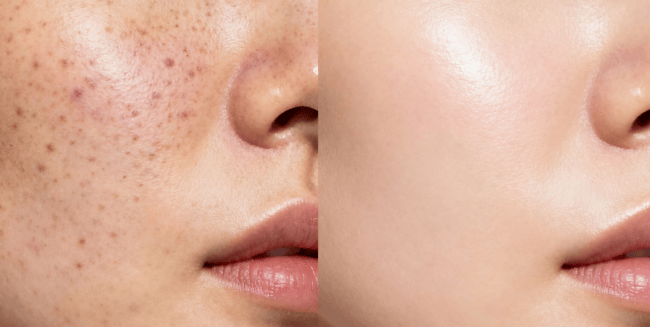
Q-switch laser for hyperpigmentation is one of its most common and effective applications. It successfully treats conditions caused by an overproduction of melanin, including:
-
Sunspots (Solar Lentigines): These are the flat, brown spots that appear on sun-exposed areas over time.
-
Age Spots: Similar to sunspots, these are related to both aging and cumulative sun exposure.
-
Freckles (Ephelides): The Q-switched Nd:YAG laser for freckles can lighten and remove clusters of freckles, providing a more even skin tone.
-
Post-Inflammatory Hyperpigmentation (PIH): Dark marks left behind after acne, eczema, or skin injuries have healed.
The laser's specific wavelength is attracted to the melanin in these dark spots, shattering it without damaging the surrounding skin.

✅Q Switch Nd:YAG Laser Treatment for Melasma
Melasma is a more complex form of hyperpigmentation, often hormonal and triggered by factors like pregnancy or birth control pills. Treating it requires a delicate approach. The Q-switch Nd:YAG laser for melasma, particularly with a low-fluence (energy) setting, has shown excellent results.
This method, sometimes known as "laser toning," uses very low energy to gently break up the melanin clusters. Multiple sessions are usually required, but this approach minimizes the risk of rebound pigmentation, which is a concern with more aggressive treatments. Therefore, Q-switch laser treatment for melasma is considered a highly advanced and effective option under proper medical supervision.
✅Q Switch Laser Treatment for Tattoo Removal
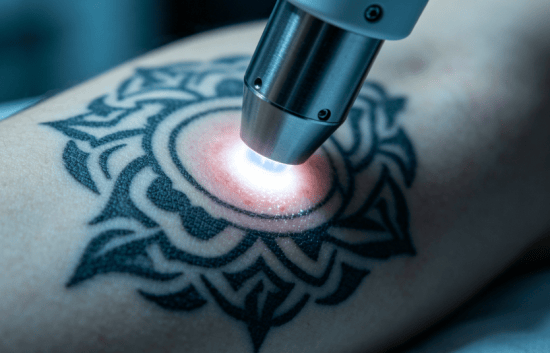
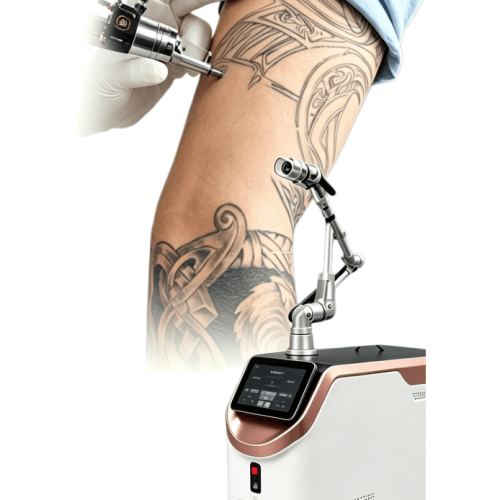
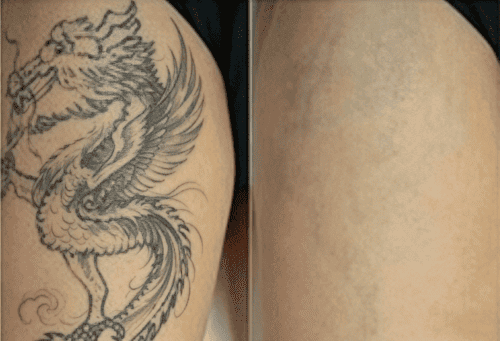
This is the application that first made Q-switch laser treatment famous. Different tattoo inks absorb different wavelengths of light. The Q-switch laser for tattoo removal can be tuned to specific wavelengths (like those from a Q-switched YAG laser) to target a wide spectrum of ink colors.
-
Black and Dark Blue Ink: These are the easiest to treat, as they absorb all laser wavelengths very effectively.
-
Green and Red Ink: Other specific wavelengths are used to target these more stubborn colors.
Each laser pulse shatters the ink particles, and the body's immune system gradually flushes them away. The number of sessions needed depends on the tattoo's size, age, and ink colors.

✅Q Switch Laser Treatment for Skin Lightening and Whitening
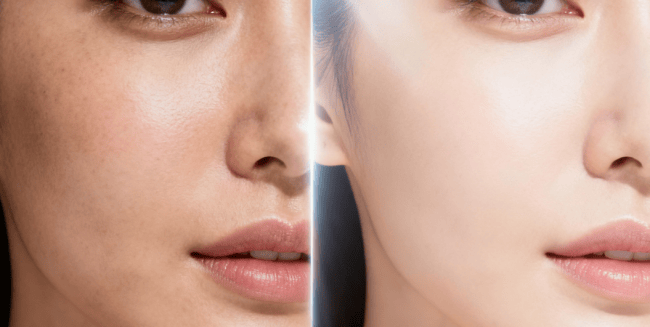
The terms "skin lightening" and "whitening" often refer to the overall brightening and evening out of the skin tone. A Q-switch laser for skin lightening works by systematically targeting and breaking up the excess melanin that causes an uneven complexion. It does not change your natural skin color but helps shed the accumulated pigment that makes skin look dull and discolored. The result is a brighter, more radiant, and uniform appearance. The Q-switched laser for dark spots contributes directly to this overall lightening effect.
Benefits of Q Switch Laser Treatment for Clinics & Patients
| ✅ For Patients | ✅ For Clinics |
|---|---|
| 1.Minimal downtime (return to work same day) | 1.High demand (pigmentation/tattoo removal are top aesthetic concerns) |
| 2.Precise targeting (no healthy tissue damage) | 2.Versatile (treats multiple conditions with one device) |
| 3.Long-lasting results (permanent for sunspots/tattoos) | 3.Profitable (session fees: $200-$800+ depending on area) |
Potential Side Effects & Risk Mitigation for Q Switch Laser Treatment
| ✅Side Effect | ✅Risk Factor | ✅Mitigation |
|---|---|---|
|
* Temporary redness/swelling
|
* High energy density | * Start with low fluence; adjust based on skin response |
| * Hypopigmentation | * Dark skin tones + incorrect wavelength | * Use 1064nm for Fitzpatrick IV-VI; avoid 532nm |
| * Scarring | * Deep pigment + over-treatment | * Limit energy to 3 J/cm² for superficial concerns |
Is Q Switch Laser Treatment Right for You Clinics?
Determining if Q-switch laser technology aligns with your clinic's goals requires a practical evaluation of your target patient demographics, service portfolio, and operational model. This analysis outlines the key considerations to help you make an informed decision.
✅Ideal Patient Profile & Clinical Applications |
✅Ideal For Your Clinic If |
|
The primary candidate for a Q-switch laser for pigmentation is typically a patient with Fitzpatrick skin types I-IV (fair to medium) presenting with common, specific concerns such as sun spots, age spots, or post-inflammatory hyperpigmentation.
Critically, with advanced devices and a highly skilled practitioner, modern Q-switched YAG laser for hyperpigmentation can be safely and effectively used on darker skin tones (types V-VI), expanding your potential patient base. The cornerstone of success is a thorough consultation to set realistic expectations and craft a personalized treatment plan.
|
|
Equipment Selection Guide for Clinics
1. Wavelength Versatility |
2. Power & Pulse Duration |
3. Brand & Reliability |
4. Clinic Size Consideration |
|
|
|
|
Conclusion
FAQ for Q Switch Laser Treatment
Q1: How many sessions of Q-switch laser will I need?
Q2: Is the results from Q switch laser treatment permanent?
A: For conditions like sunspots and tattoo removal, the results are considered permanent. However, for recurring conditions like melasma, maintenance sessions might be needed, and sun protection is crucial to prevent new pigmentation from forming.
Q3: What is the difference between Q switch laser and Picosecond laser?
A: Both are effective for pigmentation and tattoos. The primary difference is the pulse duration. Picosecond lasers are even faster (trillionths of a second), which can make them more effective for certain tattoos and require fewer sessions. However, Q-switch laser treatment remains a gold standard and is highly effective for a wide range of concerns. --More Aabout "Pico Laser vs Q-Switch Laser"
Q4: Can I get Q switch laser treatment in the summer?
A: It is generally not recommended. Your skin should not be tanned before treatment, and you must be diligent about sun avoidance after. Most practitioners prefer to perform these treatments in the fall or winter months when sun exposure is minimal.
How Much Does Laser Tattoo Removal Cost
Pico Laser vs Q-Switch Laser: Clinical Applications in Modern Aesthetic Practice
Related Article