A Complete Guide of Top Tips for Effective Tattoo Removal with Laser
Introduction
Tattoos have always been a fashion statement. However, as situations and work-related requirements change, people opt for removing their tattoos. Whether you are a person looking for removing tattoos or a laser clinic that provides tattoo removal services, there are several crucial things that you should know before effectively taking laser tattoo removal:
• How tattoo attributes and laser machines differ;
• Preparation dos and don'ts;
• What the pain and comfort levels are;
• How long does the laser tattoo removal take;
• Care tips after laser removal.
The following article offers comprehensive guidance regarding laser tattoo removal procedures, answering above questions with useful tips.
Technologies for Laser Tattoo Removal
In order to successfully undergo laser tattoo removal procedure, it is important to learn two primary laser technologies that exist. Namely, Q-switched and picosecond technologies are capable of breaking ink into small particles which the body then clears. However, the mechanism behind the procedure, the amount of sessions required, and even the range of colors vary depending on technology choice.Knowing this difference is a vital tip for tattoo removal success.
Q-Switched Laser – Mature and Reliable
- Wavelengths: 1064nm (black, dark blue); 532nm (red, orange); 694nm (blue-green); 755nm (blue-green)
- Advantages: Low price, reliable, suitable for dark inks, low chances of scarring.
- Disadvantages: Poor effect on green and yellow inks, at least 10 sessions (6 to 8 weeks apart, 1 to 2 years total); post-treatment skin tends to become red and blisters may form.
Picosecond Laser – the Best Option at This Time
- Procedure mechanics: Shatter the ink into dust-like pieces without causing much damage to the surrounding skin tissue.
- Advantages: Works perfectly with green, blue, and yellow; less chances of redness, crusting, or discoloration; more comfortable. Fewer sessions: 3 to 9 vs. 8 to 12+ for Q-switched laser. Statistical data: 80.5% tattoo clearance (85.7% for green) in 4 to 8 sessions, average.
- Disadvantages: Expensive session by itself; however, overall costs can be equal. Preferred method by experienced clinics.
Summary Table: Different Technology, Wavelengths, and Matching for Different Tattoo Colors
| Wavelength | Applicable Colors | Laser Type | Description |
|---|---|---|---|
| 1064 nm | Black, dark blue, dark brown | Q-switched / Picosecond | Deepest penetration, treats dark tattoos, high safety |
| 532 nm | Red, orange, yellow, warm brown | Q-switched / Picosecond | Targets warm tones, works on superficial layers |
| 694 nm | Blue, green | Ruby Q-switched | Dedicated for cool tones, less frequently used now |
| 755 nm | Blue, green, light blue | Alexandrite Q-switched / Picosecond | Main wavelength for green removal, picosecond laser |
| 660 nm | Green | Picosecond enhanced type | Specialization: Green ink, improves green tattoo removal efficiency |
| 595 nm | Blue, purple | Some picosecond add-on wavelengths | Also targets blue/purple and vascular pigments |
Preparing for Laser Tattoo Removal – Do's
Proper preparation lays the foundation for successful laser tattoo removal. Consider the following pre-treatment tips to enhance your treatment outcome.
Do #1: Avoid Exposing Yourself to Sunlight before Treatment
Overexposed skin is prone to undesirable side effects. Key tip is that you avoid getting sunburned or tanned for two to four weeks prior to laser tattoo removal. When going outside, apply a sunscreen with SPF 30 or higher (also use under your clothes).
Do #2: Stay Well-Hydrated to Boost Your Immunity
Proper hydration boosts immunity since it is necessary for proper functioning and the breakdown of ink particles. Make sure that you drink enough water before you come to the clinic.
Do #3: Moisturize the Tattooed Area
Well-hydrated skin responds better to laser treatment and heals quicker. Use a gentle, unscented moisturizer twice a day for a week before the procedure. Avoid using active products on the tattooed area (retinols, acids, etc.).
Do #4: Shave the Area (if necessary)
If your tattoo is in a body region where there is dense hair growth, shave the area 24 hours prior to the procedure. Hair makes it harder for the laser to reach the tattoo and also causes additional discomfort. It is recommended not to shave right before the appointment so that you do not irritate the skin.
Do #5: Eat Something Prior to the Session
A full stomach means better pain tolerance and lower risks of dizziness during the procedure.
Important Don'ts before Laser Tattoo Removal
Just as important as the things that you need to do is what you shouldn't do before undergoing laser tattoo removal.
Don't #1: Avoid Tanning or Using Self-Tanning Products
Both sunburns and self-tans affect your risks of developing side effects (hyperpigmentation, burning, etc.). For two to four weeks before the procedure, avoid tanning in either tanning beds or outside (the laser cannot differentiate between melanin and tattoo ink).
Don't #2: Don't Take Any Phototoxic Medication
Medications such as certain types of antibiotics and some retinoids can increase your sensitivity to light. Always let your healthcare provider know about your complete medical history and current medications list.
Don't #3: Don't Remove the Tattoo by Yourself
At-home removal techniques are not as effective as professional services. Moreover, the risk of developing serious allergic reactions, burns, scarring, or skin infections is high when attempting to remove the tattoo on your own.
Don't #4: Don't Forget to Tell Your Doctor about Medical Conditions
Make sure that you tell your practitioner about any illnesses, allergies, or conditions that you might have. If you have ever experienced herpes outbreak (HSV-1 or HSV-2) on the treated area, you may receive an anti-viral medication 24 to 48 hours prior to and after the procedure.
Do I Feel Anything during the Procedure?
It is natural to feel concerned before the treatment, especially regarding possible pain. Here is what you should know about sensations – another set of top tips for effective tattoo removal with laser regarding pain management.
Sensation Level during Treatment
"How bad does it hurt?" seems to be the most frequent question of many laser tattoo removal clients. Patients often compare this sensation to a feeling of a rubber band hitting the skin or warm sunburning. Surprisingly, many people report laser tattoo removal to be less painful than getting a tattoo in the first place. Moreover, most sessions are rather short (from a few minutes to half an hour depending on the tattoo) and most clinics employ special soothing techniques (numbing creams or built-in laser cooling mechanisms).
Laser tattoo removal session length
Treatment length depends on tattoo size. Small tattoos can be treated within 5 to 15 minutes; bigger tattoos require 30 minutes or longer.
Feelings during laser tattoo removal session
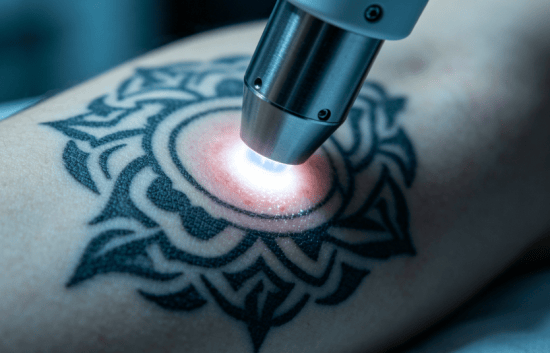
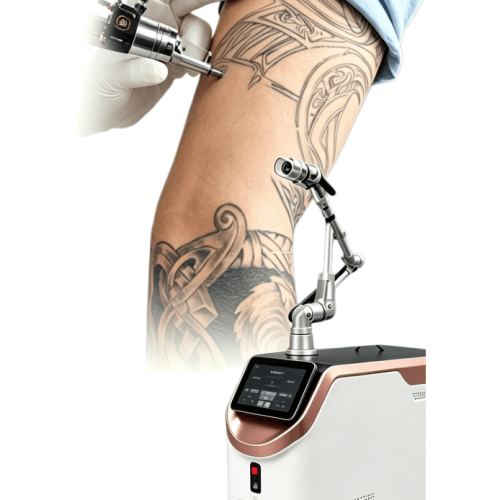
During the procedure, your provider will carefully pass the handpiece over the affected area. You will hear popping sounds and feel short bursts of energy. Most lasers have built-in cooling systems to make the procedure more comfortable.
Laser Tattoo Removal aftercare Instructions
What you do right after the laser tattoo removal is as crucial as the procedure itself. Proper aftercare prevents complications, enhances healing, and allows protecting the treated area from damage, especially when clinics use the best laser for tattoo removal technologies tailored to different inks and skin types. Here are essential tips for effective tattoo removal for the recovery phase.
Do #1: Clean the Affected Area
Gently wash the tattooed region with soap and water. Gently pat it dry using a soft towel. Repeat this action several times a day for a few days after treatment.
Do #2: Apply a Healing Cream
Usually, practitioners prescribe a particular healing ointment (Aquaphor, cortisone cream, or an antibiotic). Apply it to the affected area to keep it moistened and protected. Sometimes, your doctor may recommend special ointments such as aloe vera or Laser Aid.
Do #3: Protect Yourself from the Sun
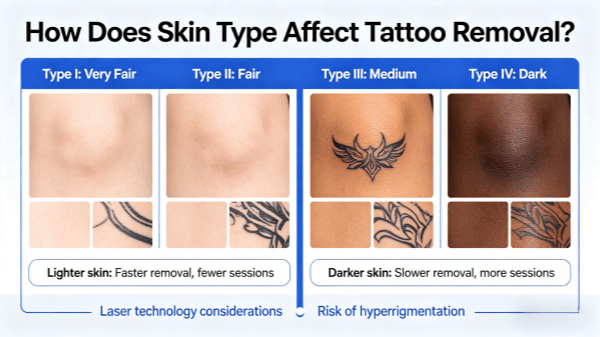
Treated skin becomes highly photosensitive in the first three months. Therefore, protect yourself from excessive sun exposure. Wear protective clothes in sunny weather, apply a sunscreen with SPF 30+. Not doing so will result in undesirable discolorations that can be permanent, especially if you previously had Q‑switch laser treatment for pigmentation or tattoos.
Do #4: Do Not Pick at Blisters or Scabs
Swelling, redness, crusting, and blistering are absolutely normal side effects of laser tattoo removal treatment and they usually resolve within 1 to 2 weeks. It is critical not to scratch or pick scabs/blisters; otherwise, you may develop a scar and an infection.
Do #5: Avoid Physical Activities
Do not engage in strenuous exercises or any physical activities which cause sweating for 24 to 48 hours following the treatment. Intense exercises and sweating negatively affect the recovery process. Additionally, avoid heat exposure (saunas, steam rooms, etc.).
Do #6: No Swimming or Bathing in Bathtub
Avoid swimming in the sea/ocean/lakes and soaking in the bathtub or spa for one to two weeks following the procedure.
How Long Does the Laser Tattoo Removal Procedure Last?
"How many sessions will I need?" is one of the frequently asked questions. Below are top tips for effective tattoo removal with laser that explain the timeline, and your total number of visits can vary depending on whether your practitioner uses Pico laser vs Q‑switch laser techniques.
Factors Influencing the Length of the Tattoo Removal Process
Each tattoo fades differently depending on its characteristics. Below is a list of factors affecting how many sessions you'll need for tattoo removal.
Color of Ink
Black and dark blue are easiest to treat, particularly with Q‑switched laser systems for tattoo removal. Light inks (yellow, green, and blue) will require additional sessions with a dedicated wavelength.
Tattoo Age
Older tattoos tend to be removed quicker since ink starts decomposing over time.
Ink Density
Professional and thicker tattoos with dense ink are harder to remove. Amateur tattoos are easier to eliminate with the laser, especially when clinics use advanced tattoo removal machines from Jingyue Beauty designed for different ink densities.
Skin Condition and Location
Tattoos that are close to the heart usually heal faster since blood flow is more efficient in these regions.
Session Count
As you get rid of your tattoo, sessions will become shorter.
On average, most people require 6 to 12 sessions (6 to 8 weeks apart) for complete tattoo removal. In rare cases, even simple tattoos will be treated within 6 sessions. However, large or multicolor designs may take up to 15 sessions or more.
Frequency of Sessions
In between treatments, your body will clear ink. Scheduling sessions sooner than in six weeks is unnecessary as it will only irritate your skin.
Common Myths About Laser Tattoo Removal – Untrue Claims
Let us dispel some myths related to laser tattoo removal procedure. Knowing the truth is another powerful tip for tattoo removal decision‑making.
-
Myth #1: It's Very Painful
Fact: Although most patients still consider this procedure to be uncomfortable, nowadays many clinics offer laser machines with built-in cooling systems and topical numbing creams. Thus, the procedure is not as painful as it used to be 10 years ago; most people say it feels less painful than getting a tattoo.
-
Myth #2: Tattoo Removal Is Done in One Session
Fact: This claim is utterly false as laser tattoo removal is a gradual process requiring several treatment sessions. Each procedure only removes a part of the ink particles which your body takes a couple of weeks to eliminate. It is simply impossible to shorten the process as it will only damage your skin.
-
Myth #3: Colored Inks Are Untreatable
Fact: Despite the ease of removal of black tattoos, recent improvements in laser technology have made it possible to remove stubborn inks such as green and blue with picosecond laser machines (PicoSure, PicoWay).
-
Myth #4: Tattoo Removal Causes Permanent Scarring
Fact: With proper technique and right laser settings, chances of developing a scar are extremely low. Scarring happens mainly due to picking scabs/blisters, overexposure to the sun, and inappropriate treatment.
Conclusion
To summarize, effective laser tattoo removal procedure entails several steps. You should select a suitable machine (Q-switched/picosecond) while understanding how much a laser tattoo removal machine costs, prepare correctly, follow strict aftercare recommendations (pay attention to proper sun protection!), have 6 to 12 laser sessions (six to eight weeks apart), and reveal myths.
How Much Does Picosecond Aesthetic Laser Tattoo Removal Cost?
Related Article