Why Should Estheticians Study Skin Analysis Skill?
Introduction: The Foundation of Effective Skincare
In the evolving world of skincare and esthetic treatments, skin analysis stands as the cornerstone of every successful practice. For professional estheticians, the ability to accurately assess and understand a client’s unique dermatological landscape is not merely a technical skill—it’s the fundamental differentiator between mediocre results and transformative outcomes. Estheticians are part of a wider group of beauty professionals who deliver personalized skincare solutions, using specialized knowledge and skills to meet individual client needs. This comprehensive guide explores why should estheticians study skin analysis skill and how mastering this essential competency can elevate an esthetician’s practice to new heights of professionalism and client satisfaction.
The art and science of skin analysis represent the critical first step in any therapeutic relationship between client and skincare professional. Without proper assessment, even the most advanced treatments and premium products may fall short of their potential. A thorough understanding of skin analysis is essential for providing effective, individualized care. Through meticulous skin analysis, estheticians gain invaluable insights that inform every subsequent decision, from product selection to treatment methodology, ensuring each client receives truly personalized care that addresses their specific needs and concerns.
What is Professional Skin Analysis?
Professional skin analysis is a systematic, evidence-based process to evaluate a client’s skin health, type, and concerns. It transcends surface-level observation, integrating tactile feedback, specialized tools, and client history to build a holistic “cutaneous profile.” For estheticians, this diagnostic framework is the foundation for all treatment decisions—turning guesswork into precision.
A thorough assessment typically includes:
-
Visual examination : under natural and magnified lighting;
-
Tactile evaluation : texture, elasticity, hydration, temperature;
-
Technological enhancement : digital imaging, UV analysis, moisture/sebum meters;
-
Client history review : lifestyle, medications, skincare habits, concerns.
The process involves examining the skin’s texture, pores, and other features to create a comprehensive profile. A detailed examination is necessary for identifying both visible and underlying skin issues.
The goal of skin analysis: Identify not just what skin issues exist (e.g., hyperpigmentation), but why (e.g., sun damage, hormonal shifts, barrier dysfunction). This depth of understanding enables precise skin analysis, leading to more effective, targeted solutions—rather than temporary symptom relief.
The initial skin analysis serves as a baseline for future assessments and treatment adjustments.
Key Reasons Estheticians Must Study Skin Analysis
✅Customizing Treatments for Individual Needs
Every client’s skin is a unique ecosystem of genetics, lifestyle, and environmental factors. Skin analysis eliminates one-size-fits-all approaches by uncovering critical nuances: a client with “oily skin” may actually have dehydrated oily skin (needing hydration, not just oil control), while a “sensitive skin” client might have a compromised barrier (requiring gentle, barrier-repairing treatments). This detailed assessment enables estheticians to provide targeted treatments that address each client's unique needs.
For example: A 35-year-old client with combination skin (oily T-zone, dry cheeks) and fine lines around the eyes. Through analysis, the esthetician identifies underlying dehydration, early photoaging, and uncovers underlying issues that may not be immediately visible—leading to a customized plan: gentle exfoliation for the T-zone, hydrating serums for the cheeks, and collagen-stimulating facial massage (avoiding excessive pressure on delicate eye areas). Without this assessment, the client might receive overly drying treatments that worsen tightness or ignore the root cause of fine lines.
Statistical data indicate: Clients are 82% more likely to report satisfaction with personalized treatments compared to generic protocols (source: International Esthetics, Cosmetics & Spa Association), as the ability to tailor treatments increases client satisfaction.
A thorough analysis allows for the development of tailored skincare solutions that are specific to the client's unique skin profile.
✅Selecting Appropriate Products and Formulations
The modern skincare market offers an overwhelming array of products, each promising remarkable results. However, without proper guidance from a skilled esthetician, clients often select formulations that are incompatible with their skin type or concerns. Professional skin analysis provides the critical information needed to navigate this complex landscape and recommend products that will deliver genuine benefits without causing irritation or exacerbating existing issues. Based on their findings, estheticians can recommend treatments and skincare products that are best suited to the client's individual needs.
When estheticians conduct thorough skin analysis, they gain insights into how a client’s skin may react to specific ingredients, textures, and formulations. This knowledge is particularly crucial when addressing sensitive skin or conditions like rosacea, where certain compounds may trigger inflammation or discomfort. By matching product recommendations to the client’s unique profile identified through assessment, and understanding what the skin requires in terms of ingredients and formulations, estheticians prevent problems like dryness, clogged pores, and allergic reactions that can occur when using inappropriate products.
The process of selecting appropriate products extends beyond immediate treatment needs to encompass long-term skincare strategies. Through skin analysis, estheticians can identify emerging concerns before they become significant issues and recommend preventive products that maintain skin health between professional treatments. This proactive approach enhances treatment outcomes and reinforces the value of the esthetician’s expertise in the client’s mind.
✅Ensuring Treatment Safety and Effectiveness
Client safety represents the non-negotiable foundation of every professional skincare practice. Comprehensive skin analysis serves as the primary safeguard against adverse reactions and treatment complications by identifying contraindications before services begin. For estheticians, this preventive assessment is both an ethical obligation and a practical necessity for maintaining professional standards and reputation. A trained esthetician is also able to identify skin issues that may require medical referral, ensuring clients receive appropriate care when a condition exceeds standard skincare concerns.
The safety aspect of skin analysis involves screening for conditions that may preclude certain treatments or require modified approaches. These include active infections, inflammatory conditions, recent procedures, allergies, and medication use that might increase skin sensitivity. By identifying these factors through careful questioning and visual assessment, estheticians can avoid potentially harmful situations and ensure every treatment aligns with the client’s current skin status.
Beyond safety considerations, skin analysis directly impacts treatment effectiveness. Understanding the client’s skin characteristics allows an experienced esthetician to select the best treatments, modalities, and techniques that will produce optimal results for each client’s needs. For example, knowledge about skin thickness, sensitivity levels, and healing capacity informs decisions about chemical peel concentrations, microdermabrasion intensity, and laser settings. This precision transforms standard treatments into highly targeted interventions that address the client’s specific concerns with maximum efficiency.
✅Addressing Specific Skin Concerns
Clients seek professional skincare services to resolve specific issues—whether acne, hyperpigmentation, aging signs, or sensitivity. Targeted skin analysis enables estheticians to identify these concerns with precision and develop strategic approaches that deliver measurable improvements. By focusing on the client's specific skin, estheticians can tailor recommendations and treatments to each individual's unique needs, resulting in more effective outcomes. Without this diagnostic foundation, treatments may address superficial symptoms while missing underlying causes, leading to temporary results and client frustration.
The process of addressing specific concerns through skin analysis involves both identification and prioritization. An esthetician might discover multiple issues during assessment but must determine which to address first based on the client’s primary goals and skin’s tolerance for intervention. This triage approach ensures that resources are directed toward the concerns that matter most to the client while establishing a logical progression for future treatments.
Furthermore, detailed skin analysis allows estheticians to track changes in specific concerns over time, providing objective evidence of treatment efficacy. By documenting conditions like fine lines, wrinkles, pigmentation, and acne during initial assessment and subsequent visits, professionals can demonstrate tangible progress to clients. This documentation not only validates the treatment approach but also reinforces the client’s decision to invest in professional skincare services.
✅Building Client Confidence and Trust
In an industry where results depend heavily on client consistency and adherence to recommendations, trust forms the currency of successful practice. Thorough skin analysis provides perhaps the most powerful opportunity for estheticians to establish this essential trust from the very first interaction. When clients witness the professional’s meticulous assessment process and hear insights about their skin that align with their personal experiences, confidence in the esthetician’s expertise grows naturally.
The trust-building power of skin analysis extends beyond the initial assessment. When estheticians use the information gathered to explain their treatment recommendations in clear, scientific terms, clients feel educated and empowered rather than sold to. This transparent communication demonstrates that services and product recommendations are based on objective data rather than guesswork or sales agendas. By providing customized care tailored to each client's unique skin needs, estheticians further reinforce trust and satisfaction, helping to build long-term client relationships. The resulting client trust transforms transactional relationships into long-term partnerships built on mutual respect and shared goals.
Additionally, the skin analysis process creates natural opportunities for estheticians to demonstrate their commitment to client safety and satisfaction. By asking detailed questions about medical history, lifestyle factors, and product use, professionals show that they consider the whole picture rather than just surface symptoms. This comprehensive approach reassures clients that they are in capable hands, increasing their comfort with recommended treatments and improving compliance with home care advice.
Statistical data indicate: 76% of clients report staying with an esthetician for 2+ years when they receive personalized skin analysis and education (source: Professional Beauty Association).
Consult More About Skin Analysis Skill & Tools
The Estheticians Skin Analysis Process: Step by Step
A systematic approach to skin analysis ensures consistency and comprehensiveness in assessment. While specific techniques may vary among practitioners, the fundamental process typically includes these essential steps:
|
Process |
Contents |
|---|---|
|
1.Client Consultation |
The esthetician skin analysis begins with a detailed conversation about the client’s concerns, goals, medical history, current skincare routine, lifestyle factors, and any previous treatments. This dialogue provides context for the physical assessment and helps establish rapport. |
|
2. Cleansing |
Removing makeup, sunscreen, and surface impurities allows for accurate assessment of the skin’s true condition without obstructions. |
|
3. Visual Inspection |
Under natural light, the esthetician examines the client's face with the naked eye, noting visible concerns like redness, pigmentation, visible pores, and surface texture. Natural light provides the most accurate assessment of skin color, pigmentation, and irregularities. |
|
4. Tactile Assessment |
Through gentle touch, the esthetician evaluates the skin's texture and skin's moisture levels, as well as skin temperature, elasticity, firmness, and hydration levels, gathering information about skin condition that isn’t visible. |
|
5. Magnified Inspection |
Using a magnifying lamp or dermatoscope, the professional examines the skin in detail, identifying concerns like clogged pores, dehydration lines, and early sun damage. A wood's lamp may also be used as a specialized ultraviolet light device to detect issues such as hyperpigmentation or bacterial infections not visible under normal lighting. |
|
6. Additional Assessment Tools |
Many estheticians incorporate specialized equipment like AI powered skin analysis tools to detect bacterial activity, pigmentation depth, and sun damage, to provide detailed images and measurements. Advanced devices may also be used to evaluate the client's skin health by measuring factors such as skin pH and elasticity. |
|
7. Documentation |
Thorough notes, photographs, or digital images create a baseline for tracking progress and inform treatment planning. |
|
8. Discussion and Recommendations |
The esthetician shares findings with the client, explains their significance, and proposes a customized treatment plan based on the analysis. Recommendations may include hydrating treatments for dry skin or avoiding harsh exfoliants for sensitive skin. |
The Importance of Estheticians Skin Analysis: Common Skin Types and Conditions Identified Through Analysis
Professional skin analysis enables estheticians to categorize clients according to standardized skin typologies while identifying specific conditions that require targeted intervention. Identifying the client's skin type through analysis is crucial, as it allows estheticians to customize treatments and skincare routines for optimal results. The ability to determine skin type is fundamental for effective treatment planning. The most common classifications include:
|
✅Basic Skin Types: |
✅Common Skin Conditions Identified Through Analysis: |
|---|---|
|
Normal skin: Balanced oil production, even texture, minimal concerns. Dry skin: Reduced sebum production, often feels tight, may appear dull or flaky. Oily: Excess sebum production, shiny appearance, enlarged pores. Combination: Oiliness in T-zone with normal or dry cheeks. Sensitive: Prone to redness, reactivity, and irritation. |
Acne: Including comedonal, inflammatory, and cystic variants. Hyperpigmentation: Sun spots, melasma, post-inflammatory hyperpigmentation. Aging Concerns: Fine lines, wrinkles, loss of elasticity, uneven texture. Dehydration: Lack of water content in the skin, often confused with dryness. Rosacea: Facial redness, flushing, visible blood vessels. Sun Damage: Including erythema, textural changes, and pigmentation. |
Advanced Tools and Techniques in Modern Skin Analysis
While traditional visual and tactile assessment remains a fundamental skill, technological advancements have empowered estheticians with sophisticated tools that bring unprecedented accuracy and depth to skin analysis. Advanced technology is enabling estheticians to provide more accurate and personalized assessments, allowing them to deliver tailored skincare solutions for each client. These innovations allow professionals to see beyond the surface and gather objective, data-driven insights for highly personalized treatment strategies.
Core Technological Tools in Modern Skin Analysis:
-
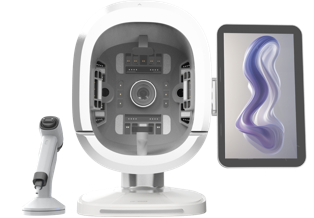
Advanced Digital Skin Imaging Systems: Modern options include AI-powered smart vanity mirror skin analysis systems that integrate imaging, diagnosis, and data management in a single device.
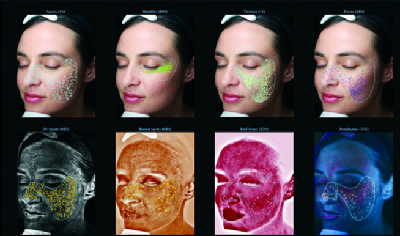
These comprehensive platforms utilize multi-spectral imaging (standard, cross-polarized, and UV light) to reveal underlying concerns invisible to the naked eye. Equipped with AI-powered software, they provide quantitative measurements of wrinkles, texture, pores, redness, and pigmentation. This establishes a precise baseline and enables objective tracking of treatment efficacy over time.
-
To explore a state-of-the-art imaging solution, consider the JingYue Skin Analysis Machine, which offers high-precision facial analysis and detailed reporting to guide your clinical decisions.
-
Biophysical Measurement Devices: Estheticians can also utilize portable AI skin scanners to capture detailed images and metrics during consultations.
-
Moisture Measurement Devices (e.g., Corneometers): These instruments objectively assess skin hydration levels at the corneal layer. This critical data helps distinguish between dry (lack of oil) and dehydrated (lack of water) skin—a crucial distinction that determines correct product and protocol recommendations.
-
Sebum Meters: By quantifying the skin’s surface oil production, these devices provide empirical evidence to confirm skin type classifications and monitor changes in oiliness due to treatments, hormones, or environmental factors.
-
pH Meters: Measuring the skin’s acid mantle is vital for assessing barrier integrity. This helps estheticians select products with appropriate pH levels that support and protect the skin’s natural defense system.
Ultimately, these technological tools are designed to enhance, not replace, the critical thinking and clinical expertise of a skilled esthetician. The most effective professionals masterfully integrate objective data from these devices with their observational skills and detailed client consultations to form a holistic and accurate picture of skin health.
Implementing Findings into Treatment Plans
The ultimate value of skin analysis lies in its translation into effective treatment strategies. The information gathered during assessment should directly inform every aspect of the client’s care plan, from in-office procedures to home maintenance recommendations. This implementation process typically follows these stages:
✅Prioritization: Based on the skin analysis, the esthetician identifies which concerns to address first, considering both the client’s goals and professional judgment about which issues require immediate attention versus those that represent long-term projects.
✅Treatment Selection: The assessment findings guide the choice of professional treatments, including specific modalities, products, and techniques. For example, an esthetician working with acne-prone skin might select treatments that reduce inflammation and control bacteria, while approaches for aging skin would focus on collagen stimulation and hydration, potentially incorporating RF facial devices for skin tightening to improve firmness and texture.
A key outcome of this process is the creation of a personalized treatment plan for each client, using the detailed findings from advanced skin analysis tools to ensure recommendations are tailored to their unique skin needs.
✅Product Recommendations: The client’s skin type and concerns identified through analysis determine appropriate home care products. This includes cleansers, treatment products, moisturizers, and sun protection specifically formulated to address their unique needs without causing irritation or exacerbating existing conditions.
✅Treatment Modification: As the client progresses through their skincare journey, ongoing skin analysis at each visit allows the esthetician to adjust treatments based on changes in the skin’s condition. This adaptive approach ensures that interventions remain appropriate as the skin improves or new concerns emerge.
✅Client Education: Perhaps most importantly, the findings from skin analysis provide teaching opportunities that help clients understand their skin and the rationale behind recommended treatments. This education empowers clients to participate actively in their skincare journey and make informed decisions between professional visits.
By systematically implementing skin analysis findings into treatment plans and scheduling periodic reassessments based on how often a skin analysis should be performed, estheticians demonstrate the practical value of assessment while delivering results that justify the client’s investment of time and resources.
Staying Up-to-Date with Industry Trends in Skin Analysis
The skincare industry is in a constant state of evolution, with new breakthroughs in skin analysis, product formulations, and treatment techniques emerging at a rapid pace. For estheticians, staying up-to-date with these industry trends is not just a matter of professional pride—it’s essential for delivering the most effective and personalized skincare solutions to every client.
By keeping a finger on the pulse of the latest advancements, estheticians can offer cutting-edge services that address a wider range of skin concerns with greater precision. Whether it’s adopting advanced digital imaging systems, exploring innovative ingredients tailored to specific skin types, or integrating data-driven approaches to personalized skincare, those who stay informed are better equipped to meet the ever-changing needs of their clients.
Clients today are more knowledgeable and discerning than ever, often seeking out professionals who can provide the newest and most effective treatments. Estheticians who invest in ongoing education, attend industry conferences, and engage with reputable skincare publications position themselves as trusted experts in the field. This commitment to continuous learning not only enhances the quality of skin analysis but also builds client confidence, loyalty, and satisfaction.
Ultimately, mastering skin analysis is an ongoing journey. By embracing new technologies and staying current with industry trends, estheticians ensure they can deliver truly personalized skincare that evolves alongside the science of skin health. This dedication to professional growth sets the foundation for long-term success in a competitive and dynamic skincare industry.
Conclusion: Elevating Your Practice Through Masterful Skin Analysis
For professional estheticians, mastery of skin analysis represents far more than a technical competency—it's the foundation upon which successful, ethical, and transformative practices are built. Understanding exactly why should estheticians study skin analysis enables professionals to move beyond generic approaches and deliver truly personalized care that addresses each client's unique characteristics, concerns, and goals. Through comprehensive assessment, estheticians gain the insights needed to customize treatments, select appropriate products, ensure safety, target specific concerns, and—perhaps most importantly—build the client trust that sustains long-term relationships.
The commitment to excellence in skin analysis demonstrates professional integrity that clients recognize and value. When estheticians invest time in thorough assessment, they communicate that each client deserves individualized attention based on their unique needs rather than standardized protocols. This client-centered approach differentiates exceptional skincare professionals in a crowded marketplace and creates the satisfaction that transforms first-time clients into loyal advocates.
As the skincare industry continues to evolve with new technologies, ingredients, and treatment modalities, the fundamental importance of accurate skin analysis remains constant. No matter how advanced our tools become, the professional's ability to assess, interpret, and respond to the skin's needs will always separate adequate care from exceptional results. By prioritizing this essential skill, estheticians not only enhance their technical capabilities but also strengthen the therapeutic relationships that make practice truly fulfilling.
For both established professionals and those beginning their careers, ongoing refinement of skin analysis techniques represents one of the most valuable investments in professional development. Whether through continued education, mentorship, or practical experience, the commitment to assessment excellence pays dividends in client outcomes, practice growth, and professional satisfaction that lasts throughout an esthetician's career. Talk to Us for More About Skin Analysis Skill
Facial Skin Analysis: The Essential for Modern Skincare Businesses and Client Success
Compare Top AI Skin Analysis Tools on the Market
Related Article