What Is The Recovery Guidance After CO2 Fractional Laser Treatment?
The Introduction to CO2 Fractional Laser Treatment and Recovery
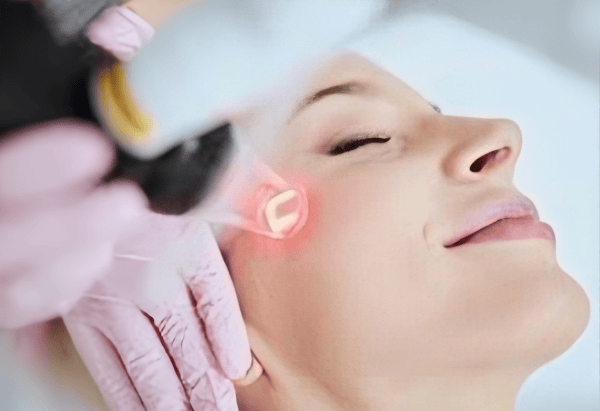
The CO2 fractional laser is a cornerstone of ablative skin resurfacing, renowned for its ability to address significant skin concerns like deep wrinkles, severe acne scars, and substantial photodamage. As an ablative procedure, it works by creating precise, microscopic columns of thermal injury that extend through the epidermis into the dermis. This controlled damage is the catalyst for the body's powerful wound-healing response, leading to the regeneration of new, healthier skin tissue. However, the very mechanism that makes it so effective—its intense dermal-epidermal thermal effect—also means that the recovery from co2 fractional laser is a critical period that directly dictates the final outcome. Understanding the biological processes at play and adhering to a meticulous aftercare protocol is paramount to minimizing risks, controlling inflammation, and achieving the desired skin rejuvenation. This guide provides an in-depth overview of the entire co2 fractional laser recovery journey, from immediate post-treatment reactions to long-term care strategies.
What Are the Normal Side Effects During CO2 Fractional Laser Recovery?
The fractional co2 laser recovery process is characterized by a predictable sequence of events. Recognizing these as normal side effects can alleviate patient anxiety. The severity and duration of these symptoms are directly proportional to the treatment's aggressiveness (higher energy, density, and pulse duration).
1. Pain:A strong burning sensation is typical immediately after the procedure, usually peaking within the first 30-60 minutes and subsiding significantly within 2 hours.
|
2. Edema (Swelling):Swelling begins within minutes as blood vessels dilate and fluid leaks into the tissues. It peaks around 2-8 hours post-treatment, giving the skin a slightly raised, puffy appearance.
|
3. Erythema (Redness):Generalized redness is expected and is a sign of increased blood flow necessary for healing. While the intense initial redness fades as swelling decreases, a milder pink or red hue can persist for several weeks (typically 2-4, sometimes longer) as collagen remodels and capillaries remain active.
|
4. Skin Darkening and Crusting:Within 1-2 hours, the treated area often darkens to a reddish-brown color. This is due to microscopic coagulation and the formation of tiny scabs (micro-crusts) over the laser-created microscopic treatment zones (MTZs). The skin will feel tight and hard to the touch.
|
5. Pruritus (Itching):Itching is a common, though not universal, part of the healing process, often occurring during the crusting and peeling phase (days 2-7). It signifies skin regeneration but must be managed without scratching to prevent scarring or infection.
|
6. Peeling and Flaking:Between days 2 and 7, the damaged outer layer of skin will begin to shed in a "sheet-like" or "Saran-wrap" manner. Thinner skin areas like the T-zone may peel first, while the jawline and cheeks may take longer. A moist healing environment can promote smoother, faster peeling.
|
7. Post-Inflammatory Hyperpigmentation (PIH):This is a common concern, particularly in individuals with Fitzpatrick skin types III and above, with an incidence of 10-15%. It appears as darkened spots or a generalized duskiness after the skin has healed. Meticulous sun protection and anti-inflammatory care are crucial for prevention.
|
8. Infection and Scarring:These are rare complications (<5%) but can occur. Viral infections like herpes simplex (cold sores) may reactivate, especially around the mouth. Scarring is extremely uncommon with proper technique and aftercare but is a risk if the skin becomes infected or the patient picks at the crusts.
|
The Phases of CO2 Fractional Laser Recovery
The recovery from co2 fractional laser can be divided into distinct phases:
1. The Immediate Phase (0-48 Hours):
2. The Crusting/Peeling Phase (Days 2-7):
3. The Pink/Rebuilding Phase (Week 1-2 onwards):
4. The Maturation and Remodeling Phase (1-6 Months):
What Aftercare is Needed For Recovery From CO2 Fractional Laser?
A disciplined aftercare regimen is non-negotiable for a successful fractional co2 laser recovery. The core principles are: Control Inflammation, Promote Moist Wound Healing, Protect the New Skin, and Prevent PIH.
1. Standard Post-Treatment Protocol (The First 7-10 Days):
-
Immediate Cooling and Soothing:
-
Gentle Cleansing:
-
The "321" Repair Principle:
- 3 - Hydration and Growth Factors: Use a spray containing hydrating agents (like hyaluronic acid) and skin-repairing factors (like KGF or bFGF) multiple times a day to keep the skin hydrated and nourished.
- 2 - Anti-Inflammation and Anti-PIH: Apply products with anti-inflammatory ingredients like licorice root extract, algal polysaccharides, or low-concentration (2%) salicylic acid gel. After peeling, introduce ingredients like Tranexamic Acid, Arbutin, or L-Ascorbic Acid to inhibit melanin production.
- 1 - Moisturization and Occlusion: The final step is to "seal in" moisture and create a protective barrier. Use a cream rich in barrier-repairing lipids like ceramides, squalane, and cholesterol. This step is crucial for reducing water loss, preventing dryness/itching, and supporting the skin's natural healing process.
-
Strict Sun Protection:
-
Lifestyle Adjustments:
--Avoid environments that cause sweating (keep ambient temperature below 26°C/79°F if possible).
--Sleep on your back to avoid rubbing your face on the pillow.
--Avoid strenuous exercise for at least 7-10 days.
--Maintain a healthy diet, avoiding known inflammatory foods like alcohol, spicy foods, and seafood if you are prone to allergies.
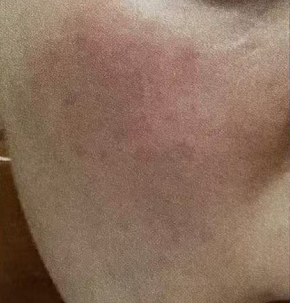
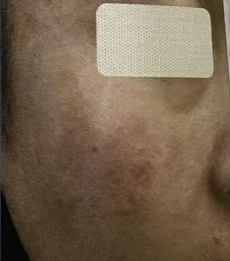
Erythema caused by improper postoperative repair Hyperpigmentation caused by improper postoperative repair
2. Advanced Repair and Functional Ingredient Integration
The micro-channels created by the laser provide a unique opportunity to enhance the recovery from co2 fractional laser and boost results by delivering high concentrations of active ingredients.
-
For Enhanced Anti-Aging:
-
For Pigmentation Control:
-
For Anti-Inflammation:
All products used in this initial phase should be medical-grade, sterile, and free of irritants like fragrances, alcohol, and essential oils.
What Not To Do After Fractional CO2 Laser?
To ensure a smooth fractional co2 laser recovery, strictly avoid the following:
- Picking or scratching at the crusts: This can cause scarring, infection, and PIH.
- Using active ingredients too early: Retinoids, alpha-hydroxy acids (AHAs), and beta-hydroxy acids (BHAs) should be avoided until the skin is fully healed and your practitioner gives the go-ahead (usually after 4-6 weeks).
- Harsh cleansers or exfoliants.
- Direct sun exposure and tanning beds.
- Swimming pools, hot tubs, and saunas due to the risk of infection.
- Applying makeup until the skin has fully peeled and any open areas have closed, typically after 5-7 days.
Managing Complications and Contraindications
1、How to avoid hyperpigmentation after fractional CO2 laser?
Preventing Hyperpigmentation (PIH): The best strategy is proactive prevention through rigorous sun protection and anti-inflammatory care. If PIH occurs despite precautions, it can often be treated with topical lightening agents (prescription and non-prescription) and procedures like IPL or low-fluence lasers after the skin has fully recovered.
2、How to avoid allergies after fractional CO2 laser treatment?
Managing Allergies and Infections: While rare, severe allergic reactions (presenting as significant swelling or hives) require immediate medical attention and may be treated with antihistamines or corticosteroids. Viral infections (like herpes) are managed with antiviral medications. It is essential to inform your practitioner of any history of such conditions.
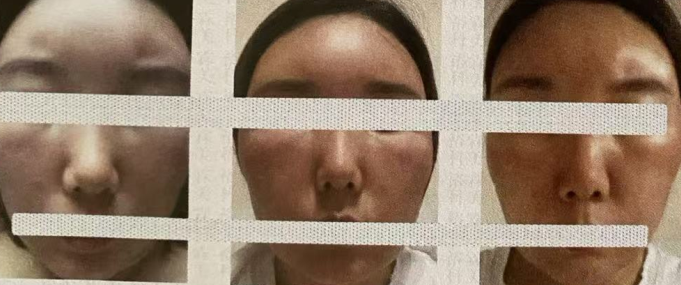
Allergic reaction caused by improper postoperative repair
3. Who Should Not Do CO2 Laser?
- Individuals with very dark skin tones (Fitzpatrick V-VI) due to a high risk of PIH.
- Those with an active skin infection, open wounds, or untreated skin cancer in the treatment area.
- Patients with a history of keloid or hypertrophic scarring.
- Individuals who are pregnant or breastfeeding.
- Patients currently taking or having recently taken isotretinoin (Accutane).
- Those with unrealistic expectations or who are unable to commit to the required co2 fractional laser recovery protocol.
- Patients with certain autoimmune diseases or compromised immune systems.
- Individuals with a history of poor wound healing.
Conclusion
The journey of recovery from co2 fractional laser is a partnership between the clients and the practitioner. While the initial days require patience and diligent care, the long-term rewards—tighter, smoother, more youthful-looking skin—are well worth the effort. By understanding the biological process, adhering to a scientifically-backed aftercare regimen, and maintaining realistic expectations, patients can navigate their fractional co2 laser recovery with confidence, minimizing downtime and maximizing the spectacular rejuvenating results that this powerful technology can deliver.
While, this entire recovery process can be empowered by the professional expertise and robust support system of Jingyue. For clinics, integrating Jingyue's proven repair protocols translates to standardized, safe procedures and predictable outcomes. For patients, it means a reassuring, comfortable experience that builds trust and loyalty. Ultimately, this synergy elevates the standard of care, driving superior customer satisfaction and sustainable practice growth. We welcome all professional partners to connect with us to exchange insights and explore how Jingyue's expertise can contribute to your success.
Comparison of Ablative and Non-Ablative Fractional Lasers
CO2 Fractional Laser Before and After
Related Article