Comparison of Ablative and Non-Ablative Fractional Lasers
A Comparative Guide: Ablative vs Non-Ablative Fractional Lasers
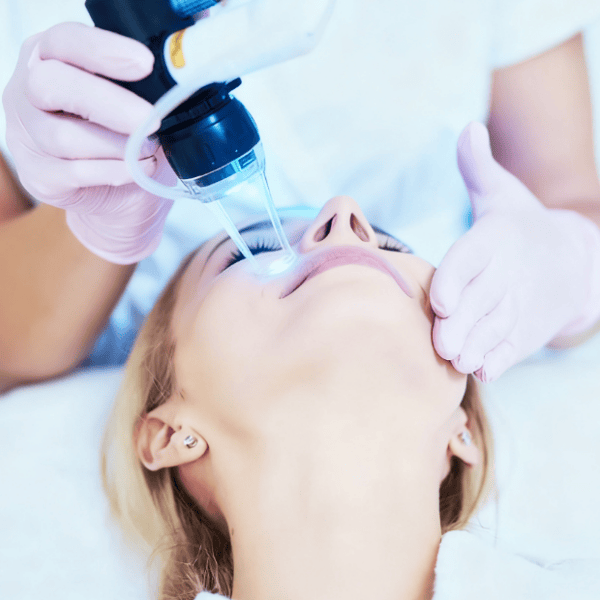
Building upon our previous discussions about fractional laser fundamentals, applications, and post-treatment care, we now present a detailed comparison of four clinically dominant ablative and non ablative fractional lasers: 1550 nm Er:Glass, 1927 nm Thulium, 2940 nm Er:YAG, and 10600 nm CO2.
While all these ablative and non ablative fractional laser systems share a common mechanism of action—targeting water in the skin—their distinct wavelengths interact with tissue water differently. This fundamental difference in water absorption coefficients dictates their unique clinical strengths. For instance, the 10600 nm CO2 fractional ablative laser offers profound ablation, making it a powerful tool for significant skin resurfacing. In contrast, the 1550 nm and 1927 nm non ablative fractional lasers provide more gentle, thermally-dominated effects ideal for textural improvement and pigment correction. The 2940 nm ablative laser sits in between, offering efficient ablation with minimal thermal damage.
Understanding these nuances is critical. Each type of fractional laser has its own advantages, and they can often be used in a complementary manner to achieve comprehensive results. A successful outcome hinges on the clinician's ability to accurately diagnose the skin condition and select the most appropriate fractional laser technology. This guide will delve into the science and clinical applications of these four wavelengths to empower both practitioners and patients with the knowledge for informed decision-making.
1. The 2940 nm Erbium (Er:YAG) Laser: Superficial Ablation and Precision
● What is a Fractional Er:YAG Laser?
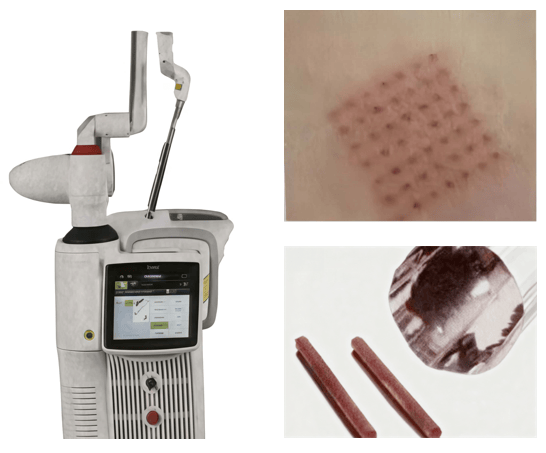
The fractional Er:YAG ablative laser is a solid-state laser where the lasing medium is an Erbium-doped Yttrium Aluminum Garnet crystal, producing a mid-infrared laser beam at 2940 nm.
● Mechanism and Tissue Interaction:
● Clinical Applications and Strengths:
✓ Superficial Skin Resurfacing: Ideal for treating fine lines, mild photodamage, solar lentigines (age spots), and dyspigmentation with very high precision.
✓ Scar Treatment: Effective for superficial and moderate acne scars, especially where pinpoint ablation of scar tissue is needed.
✓ Mucosal Treatments: Its high absorption by water and precise ablation make it exceptionally suitable for delicate procedures like vaginal tightening and intraoral treatments, as featured in platforms like the Fotona 4D Pro.
✓ Treatment Endpoint: The treatment often leads to immediate frosting and pinpoint bleeding, as the ablation can reach the superficial papillary dermis.
● Advantages and Considerations:
2. The 10600 nm Carbon Dioxide (CO2) Laser: Ablation, The Gold Standard for Deep Resurfacing
● What is a Fractional CO2 Laser?
● Mechanism and Tissue Interaction:
● Clinical Applications and Strengths:
✓ Ablative Resurfacing: Considered the gold standard for treating moderate to severe photodamage, deep rhytides (wrinkles), and actinic keratosis.
✓ Scar Revision: Highly effective for both atrophic (e.g., acne scars) and hypertrophic scars.
✓ Skin Tightening: The significant thermal coagulation effect leads to notable and immediate skin contraction and long-term neocollagenesis.
✓ Surgical Procedures: Its continuous-wave modes are excellent for cutting and excising lesions like warts, skin tags, and tumors with simultaneous hemostasis.
● Advantages and Considerations:
3. The 1927 nm Thulium (Tm:YAG) Laser: Non-Ablative Rejuvenation for Pigmentation
● What is a Fractional Thulium Laser?
● Mechanism and Tissue Interaction:
● Clinical Applications and Strengths:
✓ Pigmentary Disorders: This is its primary strength. It is exceptionally effective for treating melasma, solar lentigines, and general dyspigmentation with a very low risk of post-inflammatory hyperpigmentation (PIH).
✓ Fine Lines and Mild Photodamage: Promotes dermal remodeling for subtle skin tightening and texture improvement.
✓ Acne and Oil Control: The thermal effect can damage sebaceous glands, helping to control acne.
✓ No Downtime Treatments: Low-energy treatments have virtually no downtime, making it ideal for "lunchtime" procedures.
● Advantages and Considerations:
4. The 1550 nm Erbium Glass (Er:Glass) Laser: Non-Ablative, Deep Dermal Remodeling
● What is a Fractional Er:Glass Laser?
● Mechanism and Tissue Interaction:
● Clinical Applications and Strengths:
✓ Atrophic Scarring: Highly effective for treating moderate to severe acne scars and other atrophic scars due to its deep remodeling action.
✓ Skin Tightening and Wrinkle Reduction: Provides significant improvement in skin laxity and fine to moderate wrinkles.
✓ Striae (Stretch Marks): Effective for both red (striae rubra) and white (striae alba) stretch marks by stimulating collagen in the affected dermis.
✓ Pore Minimization and Overall Skin Texture Improvement.
● Advantages and Considerations:
Comparative Summary : Ablative vs Non-Ablative Fractional Lasers
| Features | 2940 nm Er:YAG | 10600 nm CO2 | 1927 nm Thulium | 1550 nm Er:Glass |
| Primary Mechanism | Ablative | Ablative + Coagulative | Micro-ablative | Non-ablative |
| Water Absorption | Very High (~12,800 cm⁻¹) | High (~780 cm⁻¹) | Moderate (~130 cm⁻¹) | Low (~20 cm⁻¹) |
| Penetration Depth | Shallow (20-50 µm) | Medium (80-150 µm) |
Medium-Superficial
(200-400 µm)
|
Very Deep (1000-2000+ µm) |
| Epidermal Effect | Vaporization, Pinpoint Bleeding | Ablation, Coagulation | Minimal to Microscopic Debridement | Intact (Thermal Window) |
| Downtime |
Short (3-7 days)
|
Long (1-4 weeks) | None to Minimal (0-3 days) | Moderate (2-5 days) |
| Best For | Superficial Lesions, Precision, Mucosa | Deep Wrinkles, Severe Scars, Skin Tightening | Pigmentation, Fine Lines, Melasma | Deep Acne Scars, Striae, Skin Remodeling |
| PIH Risk | Low-Moderate | High (in darker skin) | Very Low | Low |
| Pain Level | Moderate | High | Low-Moderate | High (Deep sensation) |
Choosing Your Fractional Lasers: Why Device Quality is Non-Negotiable
In the competitive field of aesthetic medicine, the success of your practice hinges on the results you deliver. When it comes to fractional ablative laser treatments, efficacy and patient safety are not just goals—they are imperatives that depend on a critical trinity: the quality of the device, the precision of its energy delivery, and the expertise of the physician operating it. For the discerning professional, investing in reliable fractional laser equipment is not merely a purchase; it is a cornerstone of long-term profitability, client retention, and comprehensive risk management.
A high-quality CO2 fractional ablative laser system must be engineered with uncompromising standards. Its core features are what separate superior devices from the rest, directly impacting clinical outcomes:
✓ Superior Spot Uniformity:
By ensuring each micro-beam of energy is identical, the device delivers a uniform pattern across the skin. This precision is critical to mitigate the risk of localized overheating, thereby preventing complications like burns, scarring, and uneven texture. It is this core feature that safeguards both patient safety and the consistency of clinical outcomes, ensuring homogeneous rejuvenation.
✓ Stable and Reliable Energy Output:
Energy fluctuation during a procedure is a significant liability. A premium fractional laser maintains unwavering energy stability from the first pulse to the last. This consistency is the key to achieving predictable, repeatable outcomes with every patient, which directly builds trust, enhances customer satisfaction, and protects your clinic's hard-earned reputation.
✓ International Regulatory Compliance:
Operating a device without the requisite safety certifications is a substantial legal and ethical risk. Any CO2 fractional ablative laser must possess valid certifications for key global markets, such as CE ,ROHS. This compliance is a non-negotiable prerequisite for legal operation and is your first line of defense in mitigating clinic liability.
Jingyue Beauty: A Partnership Built on Precision and Trust
Given that fractional ablative laser are high-risk, ablative devices, the manufacturer's credentials are as important as the technology itself. Jingyue Beauty specializes in manufacturing high-performance fractional lasers for aesthetic clinics, beauty salons, and distributors worldwide.
We empower your aesthetic business by delivering tangible value:
✓ Guaranteed Compliance, Mitigated Risk:
In a strictly regulated industry, Jingyue serves as your trusted partner in compliance. Our adherence to the ISO standard and possession of major certifications (ROHS, CE etc) mean that selecting our equipment is a proactive step in risk management. This decision simplifies your path to market access and provides a robust defense against compliance-related challenges.
✓ Superior Performance & Proven ROI:
At the heart of our devices is a commitment to clinical excellence, driven by an expert R&D team with deep optical expertise. We guarantee treatment consistency and reliability by utilizing top-tier imported laser emitters. This unwavering performance builds patient trust and drives repeat business, creating a virtuous cycle that directly strengthens your practice's profitability and delivers a compelling ROI.
✓ Seamless Brand Integration with Customization:
We offer a comprehensive one-stop OEM/ODM service. With rapid turnaround times for logo placement, language customization, user interface customization, and shell color changes, we help you quickly establish and scale your own branded product line, strengthening your market presence.
Integrating Jingyue's high-quality CO2 fractional ablative laser systems into your service offerings is a strategic move to ensure safety, maximize effectiveness, and project a professional image that stands out. --> Learn More About Partership
Explore Jingyue Range of Fractional Lasers
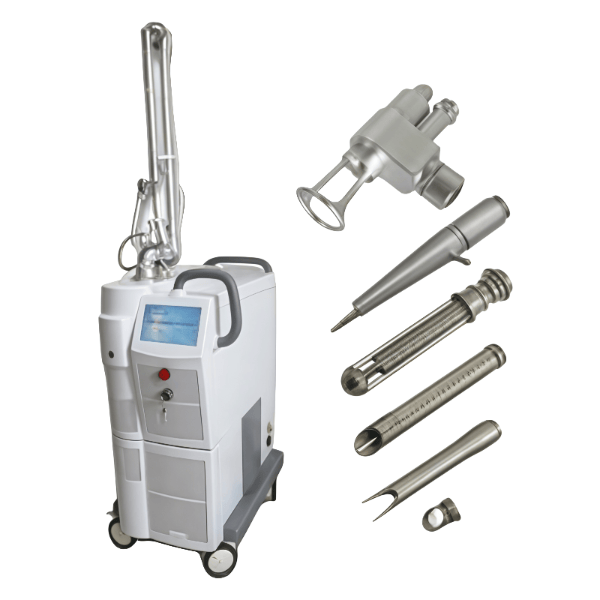
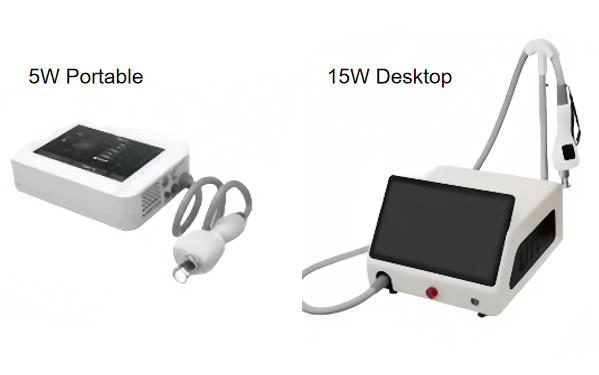
Jingyue offers a portfolio of advanced fractional lasers designed to meet diverse clinical needs:
1. Portable Ablative Fractional Laser |
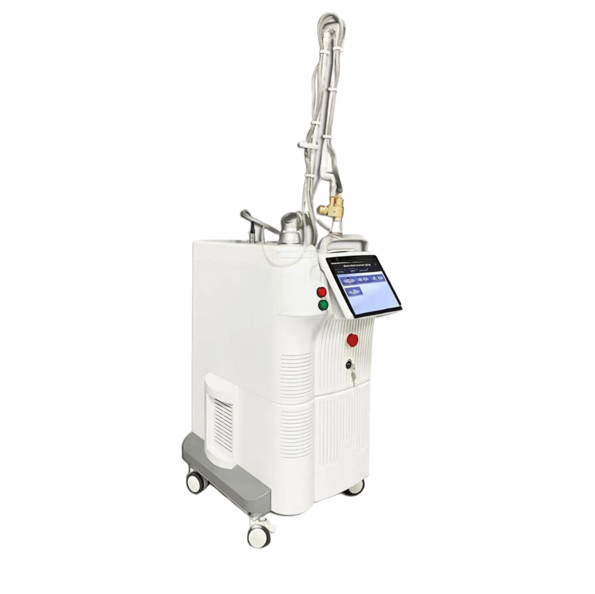
2. Vertical Ablative Fractional Laser System |
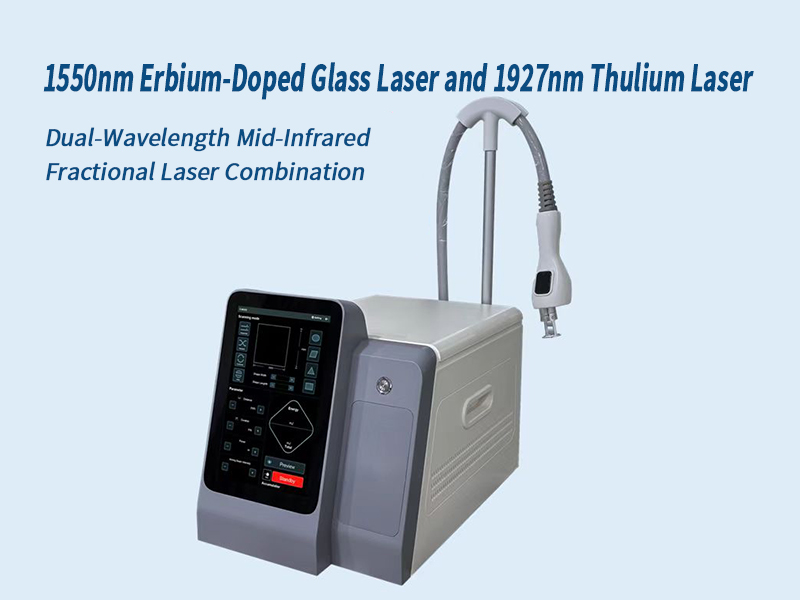
3. 2-in-1 Non Ablative Fractional Lasers |
|
|
|
Conclusion
The world of fractional lasers offers a diverse and powerful toolkit for skin rejuvenation. The choice between the 1550 nm, 1927 nm, 2940 nm, and 10600 nm fractional lasers is not a matter of identifying a single "best" device, but rather of matching the laser's fundamental properties to the clinical challenge at hand. The ideal wavelength depends entirely on the specific skin condition (e.g., deep scar vs. superficial pigment), the desired depth of treatment, the patient's skin type and tolerance for downtime, and the practitioner's expertise.
Ablative fractional laser system like the CO2 and Er:YAG offer the most dramatic results for significant photodamage and scarring but demand a lengthier recovery. Non ablative fractional laser system like the Er:Glass and Thulium provide excellent results with less risk and downtime, making them workhorses for a broader patient population. The Thulium laser specializes in superficial pigment with unparalleled safety, while the Er:Glass laser excels at remodeling the deepest dermal structures. A thorough consultation with a qualified dermatologist or practitioner is essential to navigate this sophisticated landscape and select the optimal fractional lasers wavelength and treatment parameters to achieve safe, effective, and satisfying outcomes.
However, Jingyue leverages extensive hands-on clinical application experience and deep industry expertise in laser equipment to provide you with a safe, effective, and customizable solution. This delivers consistent and stable ROI for commercial partners, while ensuring consumers achieve lasting and natural-looking aesthetic results. As technology advances, we will continue to pioneer innovations in the field of aesthetic dermatology, offering hope and renewed confidence for those seeking skin rejuvenation.
For more information about Jingyue, contact us now. --> Contact Jingyue Beauty
What Is The Recovery Guidance After CO2 Fractional Laser Treatment?
Related Article