Face Day by Day Photodynamic Therapy Recovery: A Complete Guide for Aesthetics Professionals
Why Photodynamic Therapy Recovery Matters for Your Aesthetic Business
For aesthetic business, understanding photodynamic therapy (PDT) recovery isn’t just about supporting clients—it’s about boosting trust, reducing downtime concerns, and highlighting the value of professional-grade equipment. Face day by day photodynamic therapy recovery, is a key differentiator for clients seeking safe, effective skin rejuvenation, acne treatment, or sun damage repair. When you can clearly outline what clients can expect each day, you alleviate anxiety, improve satisfaction, and position your business as a trusted authority.
In this guide, we’ll break down facial daily photodynamic therapy recovery in detail, share actionable aftercare strategies, and show how integrating Jingyue’s equipment can set your brand apart in the competitive aesthetics market.
The Science Behind Photodynamic Therapy Recovery
Before diving into the day-by-day timeline, it’s critical to explain the “why” behind photodynamic therapy recovery to your clients—and to your team. PDT works by activating a light-sensitive agent in the skin with targeted LED light, selectively destroying abnormal cells (e.g., acne-causing bacteria, sun-damaged tissue) while sparing healthy skin. This controlled “damage” triggers the skin’s natural healing response: new collagen production, cell regeneration, and the shedding of damaged tissue.
The visible signs of photodynamic therapy recovery—redness, peeling, and mild swelling—are not side effects, but proof the treatment is working. For your business, emphasizing this science helps clients embrace the recovery process and recognize the value of professional care.
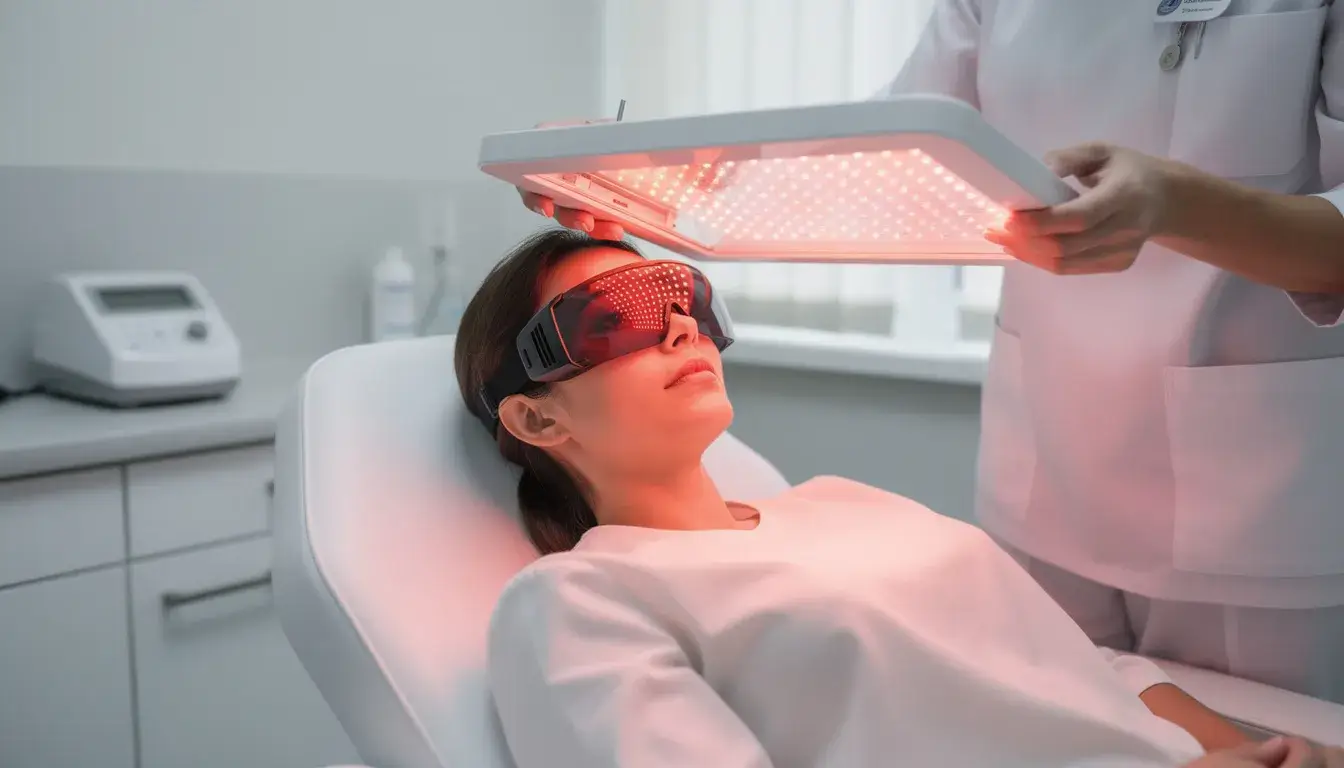
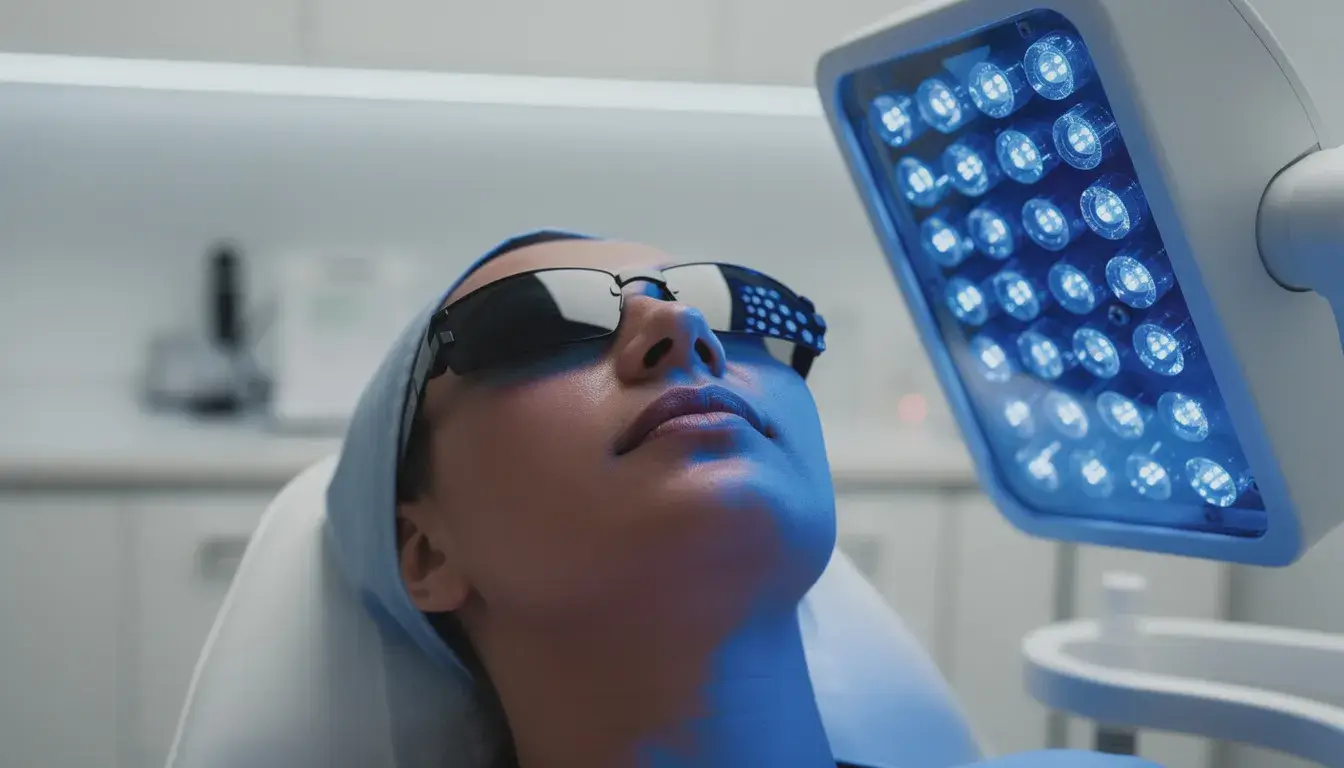
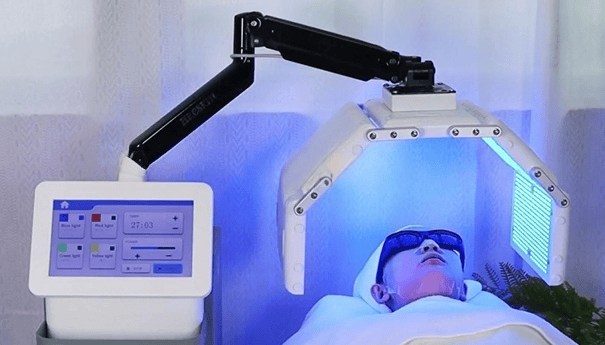
Professional photodynamic led light therapy machine on the market amplifies this process with precision-engineered wavelengths (red, blue, green, yellow, and infrared) that penetrate different skin depths, ensuring targeted treatment and gentler recovery. Unlike low-quality devices that cause excessive irritation, these advanced products uniform light output and adjustable intensity settings reduce inflammation, making face day by day photodynamic therapy recovery more comfortable and predictable.
Face Day by Day Photodynamic Therapy Recovery Timeline
Every client’s skin is unique, but face day by day photodynamic therapy recovery follows a consistent pattern. Below is a detailed breakdown to share with clients—and to train your staff on what to advise at each stage.
Days 1–2: Immediate Recovery & Photosensitivity Management
The first 48 hours are critical for photodynamic therapy recovery, as the skin is highly sensitive to light (a normal response to PDT activation). Here’s what clients can expect:
- Symptoms: Mild to intense redness (resembling a sunburn), warmth, tightness, or slight stinging. Some clients may experience minor swelling, especially around the cheeks or forehead.
- Key Focus: Strict light avoidance. UV rays—even from indoor lighting or phone screens—can intensify irritation and delay healing.
- Professional Guidance: Advise clients to stay indoors as much as possible, keep indoor lights dim, and limit screen time. For clinics using PDT machine, highlight that its adjustable intensity settings reduce initial sensitivity compared to cheaper alternatives—this is a selling point for clients worried about downtime.
- Aftercare: Gentle cleansing with fragrance-free, non-foaming products (avoid hot water) and application of soothing, petroleum-based ointments. Cold compresses can alleviate discomfort.
Days 3–5: Active Healing & Gentle Peeling
By day 3, photodynamic therapy recovery shifts to active cell regeneration. Clients will notice:
- Symptoms: Peeling, flaking, or mild crusting (especially if treating sun damage or acne lesions). Redness and swelling may peak but will start to subside. Some clients report mild itchiness—this is a sign of new skin growth.
- Key Focus: Protecting healing skin and preventing scarring.
- Professional Guidance: Stress the importance of not picking or scrubbing peeling skin, as this disrupts collagen production and increases infection risk.
- Aftercare: Continue gentle moisturizing (fragrance-free, hypoallergenic formulas work best) and avoid active ingredients like retinoids, acids, or exfoliants. If discomfort persists, over-the-counter pain relievers (e.g., paracetamol) are safe—avoid anti-inflammatories like ibuprofen, which can reduce PDT’s efficacy.
Days 6–10: Settling & Skin Smoothing
During this phase, photodynamic therapy recovery accelerates, and clients will start to see visible improvements:
- Symptoms: Redness fades to a pinkish tint, peeling subsides, and skin texture becomes smoother. Tightness and sensitivity decrease, though the skin may still feel delicate.
- Key Focus: Gradual reintroduction to gentle skincare and continued sun protection.
- Professional Guidance: Inform clients that this is when the benefits of professional PDT start to shine—fine lines, rough patches, and uneven tone begin to improve. For aesthetic clinics, this is an ideal time to follow up with clients, showcasing how multi-wavelength technology (e.g., red light for collagen, blue light for acne) targets their specific concerns.
- Aftercare: Resume mild moisturizing and introduce a high-SPF (30+) mineral sunscreen (physical blockers like zinc oxide are gentler than chemical sunscreens). Avoid direct sunlight during peak hours (10 AM–4 PM).
Weeks 2+: Recovery Consolidation & Long-Term Results
By the second week, most visible signs of photodynamic therapy recovery have resolved, and clients can enjoy their refreshed skin:
- Symptoms: Residual pinkness fades completely (for most clients), and skin appears clearer, brighter, and more uniform. Any mild dryness or sensitivity is minimal.
- Key Focus: Maintaining results and preventing future damage.
- Professional Guidance: Highlight the long-term value of PDT: it targets not just surface issues but underlying sun damage, reducing the risk of future lesions.
- Aftercare: Continue daily sunscreen use, gentle skincare, and schedule follow-up treatments (if needed) to address persistent concerns. Jingyue’s devices are designed for repeat use, making them a cost-effective investment for clinics.
Critical Factors Influencing Recovery Time
The length and intensity of photodynamic therapy recovery are never identical across clients—they’re shaped by treatment design, skin-specific traits, and post-care behavior. For those in the beauty industry, clarifying these factors is key to setting realistic client expectations, tailoring services, and highlighting the value of professional equipment. Below is a detailed, actionable breakdown of the core variables:
1. PDT Protocol Type & Photosensitizer Incubation Time
The specific PDT protocol and how long the photosensitizer is left on the skin (incubation time) directly dictate recovery intensity:
- Gentler Protocols (Fractional/Daylight PDT): Fractional PDT targets small, localized skin zones instead of the full face, while daylight PDT uses natural light (low-intensity) to activate the photosensitizer. Both minimize widespread irritation, resulting in a streamlined recovery—typically just 2–4 days of mild redness and subtle peeling.
- Traditional Full-Face PDT: Classic full-face treatments involve a 1–3 hour photosensitizer incubation (for deep penetration) followed by high-intensity blue/red light irradiation. While ideal for addressing severe sun damage or widespread lesions, this protocol requires the 2-week recovery timeline outlined earlier—with more noticeable redness, peeling, and crusting.
2. Skin Condition Being Treated
The severity and type of skin concern determine how aggressively PDT is administered—directly impacting recovery:
- Aggressive Treatments for Actinic Keratoses (AKs): Actinic keratoses (precancerous sun damage lesions) demand targeted, high-intensity PDT to eliminate abnormal cells. This triggers a stronger inflammatory response, leading to more pronounced redness, swelling, and crusting—with recovery often extending to 10–14 days.
- Milder Treatments for Acne or Photo-Rejuvenation: PDT for acne (blue light to kill Propionibacterium acnes) or general photo-rejuvenation (red light to boost collagen) uses lower energy levels. Recovery here is shorter—5–7 days of mild redness and minimal peeling—making it popular for clients seeking routine skin refreshment.
3. Individual Skin Type & Physiological Response
Genetic and environmental factors mean two clients on the same PDT plan may have vastly different recovery experiences:
- Sensitive Skin/Rosacea: Clients with sensitive skin or rosacea have thinner, more reactive barriers. They often experience prolonged redness (up to 3 weeks in some cases) and heightened light sensitivity.
- Normal/Oily Skin: Those with thicker, oilier skin tend to tolerate PDT better. Their recovery aligns with the standard timeline—7–10 days of mild redness and peeling—thanks to a more robust skin barrier.
- Prior Skin Trauma: Clients who’ve recently undergone laser treatments, chemical peels, or harsh exfoliation have compromised barriers, leading to slower recovery.
4. Aftercare Compliance (The Most Controllable Factor)
Client adherence to post-treatment guidelines is the key controllable factor for photodynamic therapy (PDT) recovery. Your professional guidance, combined with high quality equipment, directly impacts outcomes—even advanced devices cannot compensate for poor aftercare, which prolongs recovery, raises complication risks, and weakens results.
Key risks of non-compliance:
- Inadequate Sun Protection: Skipping UV protection in the 48–72-hour critical window intensifies photosensitivity, redness, and hyperpigmentation, adding 3–7 days to recovery.
- Harsh Skincare: Exfoliants, fragranced products, or retinoids damage the healing barrier, causing inflammation and peeling, undermining PDT’s non-invasive benefits.
- Irritant Exposure: Picking scabs, hot showers, strenuous exercise, or photosensitive foods (celery, parsley, citrus) disrupt cell regeneration, leading to client dissatisfaction and negative reviews—avoidable with clear guidance.
Expert Aftercare Tips to Support Photodynamic Therapy Recovery
As an aesthetics professional, your guidance on photodynamic therapy (PDT) post-treatment recovery is just as crucial as the treatment itself. Share these practical tips with clients to ensure smooth healing, minimize downtime, and highlight the value of your professional services:
I. Strict Sun Protection (Non-Negotiable)
Beyond the initial 48-72 hours, the treated area remains UV-sensitive for 4-6 weeks. Advise clients to:
- Use a daily mineral sunscreen (SPF 50+, containing zinc oxide/titanium dioxide), which is gentler on healing skin than chemical sunscreens;
- Add physical protection: wide-brimmed hats, UV-blocking sunglasses, and avoid direct sunlight during peak hours (10:00 AM - 4:00 PM);
- Avoid tanning beds and self-tanners throughout the recovery period.
II. Gentle Skincare (Focus on Barrier Repair)
Follow a minimalist "cleanse + moisturize + repair" routine for the first 2-3 weeks post-treatment:
- Cleanse with lukewarm water and fragrance-free, non-foaming cleansers;
- Apply hypoallergenic, lipid-rich moisturizers (with ceramides, squalane, or hyaluronic acid) to soothe and repair the skin barrier;
- Avoid all exfoliants, retinoids, acids (glycolic, salicylic), and fragranced products.
III. Avoid Touching or Scratching
Peeling and mild crusting are normal signs of cell turnover. Emphasize that:
- Pat skin gently when cleansing or drying (do not rub or pick at crusts);
- Use cold compresses (5-10 minutes per session, twice daily) for itching—never scratch.
Patience during recovery is essential for smooth, even skin results.
IV. Internal Hydration & Nourishment
- Drink enough water daily to support cell regeneration—dehydration worsens dryness and tightness;
- Incorporate skin-nourishing nutrients: vitamin C for collagen production, omega-3s to reduce inflammation, and antioxidants to protect new skin cells.
V. Avoid Irritants
- Shower with lukewarm water; avoid saunas and steam rooms (heat aggravates redness and swelling);
- Limit strenuous exercise for 5-7 days (sweat irritates healing skin)—opt for light walks instead;
- Avoid photosensitive foods and alcohol, as they may increase skin sensitivity.
VI. Prompt Handling of Abnormal Reactions
Clarify normal vs. abnormal reactions for clients:
- Normal: Mild redness, peeling, tightness, or slight stinging (fades within 1-2 weeks);
- Abnormal: Increasing pain, pus, blistering, spreading redness, or fever (signs of infection or adverse reaction).
Instruct clients to contact your clinic immediately for abnormal symptoms. Timely intervention prevents complications and strengthens professional trust.
VII. Schedule Follow-Up Appointments
- 4-5 days post-treatment: Check recovery progress, adjust care plans, and address questions;
- 1 month post-treatment: Evaluate results, recommend maintenance treatments (if needed).
Recommended Professional PDT LED Machines for Faster, Safer Recovery
Jingyue Beauty’s professional PDT LED light therapy machines are engineered to support smoother photodynamic therapy recovery by delivering stable, uniform light output across multiple therapeutic wavelengths. Compared to low-cost or at-home devices, professional systems allow clinicians to personalize treatment intensity and wavelength combinations—minimizing irritation while maximizing results.
Recommended applications include:
- Clinics seeking controlled PDT recovery timelines for acne, photo-rejuvenation, and sun damage
- Aesthetic centers aiming to reduce downtime while improving client satisfaction
- Wholesalers and distributors sourcing reliable PDT LED machines from a professional manufacturer
How Jingyue’s PDT LED Machines Enhance Photodynamic Therapy Recovery
For aesthetic clinics, wholesalers, and retailers, the right equipment directly impacts photodynamic therapy recovery outcomes—and your bottom line. Jingyue’s professional PDT Led Light Therapy Machines are engineered to address the unique needs of both clients and businesses, with features that make day by day photodynamic therapy recovery smoother, faster, and more predictable:
|
✅Multi-Wavelength Precision Technology |
✅Adjustable & Personalized Treatment |
|
✅Non-Invasive with Minimal Downtime |
✅Enhanced Recovery with Skincare Synergy |
Conclusion: Elevate Your PDT Services with Professional Equipment
For aesthetic clinics, wholesalers, and retailers, mastering face day by day photodynamic therapy recovery is key to growing your business. By providing clear, science-backed guidance, emphasizing the value of professional aftercare, and integrating high-quality PDT LED machines, you can differentiate your brand, improve client satisfaction, and boost revenue.
Jingyue’s PDT Led Light Therapy Machines are designed to make photodynamic therapy recovery smoother, faster, and more predictable—for both your clients and your team. With multi-wavelength technology, adjustable settings, and non-invasive design, these devices align with the demands of modern aesthetics clients while delivering the professional results that keep them coming back.
Whether you’re a clinic looking to expand your service menu, a wholesaler seeking reliable, in-demand products, or a retailer targeting aesthetics professionals, Jingyue’s PDT equipment is a wise investment. By pairing our machines with expert guidance on day by day photodynamic therapy recovery, you’ll position your business as a leader in the fast-growing PDT market—one satisfied client at a time.
Ready to enhance your PDT offerings? Explore Jingyue’s full line of professional LED light therapy machines today.
FAQs About Face Day by Day Photodynamic Therapy Recovery
Addressing common client questions about photodynamic therapy recovery helps reduce anxiety and position your business as knowledgeable. Here are the top FAQs to include in your guide:
How long does face day by day photodynamic therapy recovery take?
Full recovery typically takes up to 2 weeks. The first 3-5 days involve redness and peeling, with visible improvement seen by days 6-10.
Is redness and peeling normal during photodynamic therapy recovery?
Yes. Redness and peeling are normal, expected signs that the treatment is working effectively.
Can clients return to work during photodynamic therapy recovery?
The treatment for most skin problems generally does not have a rest period, but for optimal results, it's important to understand how often a skin analysis should be performed.
How does Jingyue’s PDT machine differ from at-home devices?
At-home PDT devices lack the precision, multi-wavelength technology, and adjustable intensity of Jingyue’s professional machines. Professional treatment delivers more consistent results with gentler photodynamic therapy recovery—justifying the investment for clients seeking long-lasting improvements.
PDT Skin Treatment Before and After: What To Expect, Results & LED Alternatives
What is LED Light Therapy Facial Machine? A Complete Guide for Beauty Professionals on PDT
Related Article