Photodynamic Therapy Is Usually Used For: A Complete Clinical and Technical Guide
Photodynamic therapy (PDT) is a medical procedure that combines a light-sensitive drug called a photosensitizing agent with a specific wavelength of light to destroy abnormal cells. This targeted treatment has become a cornerstone for managing precancerous skin lesions like actinic keratosis, certain nonmelanoma skin cancer types, and tumors affecting internal organs such as the esophagus and lungs.
Unlike radiation therapy or other cancer treatments that affect broader areas, PDT focuses precisely on diseased tissue while aiming to spare surrounding healthy cells and normal skin. Modern photodynamic therapy PDT has evolved significantly since its clinical adoption in the late 20th century, with ongoing clinical trials continuing to expand its applications across oncology and dermatology.
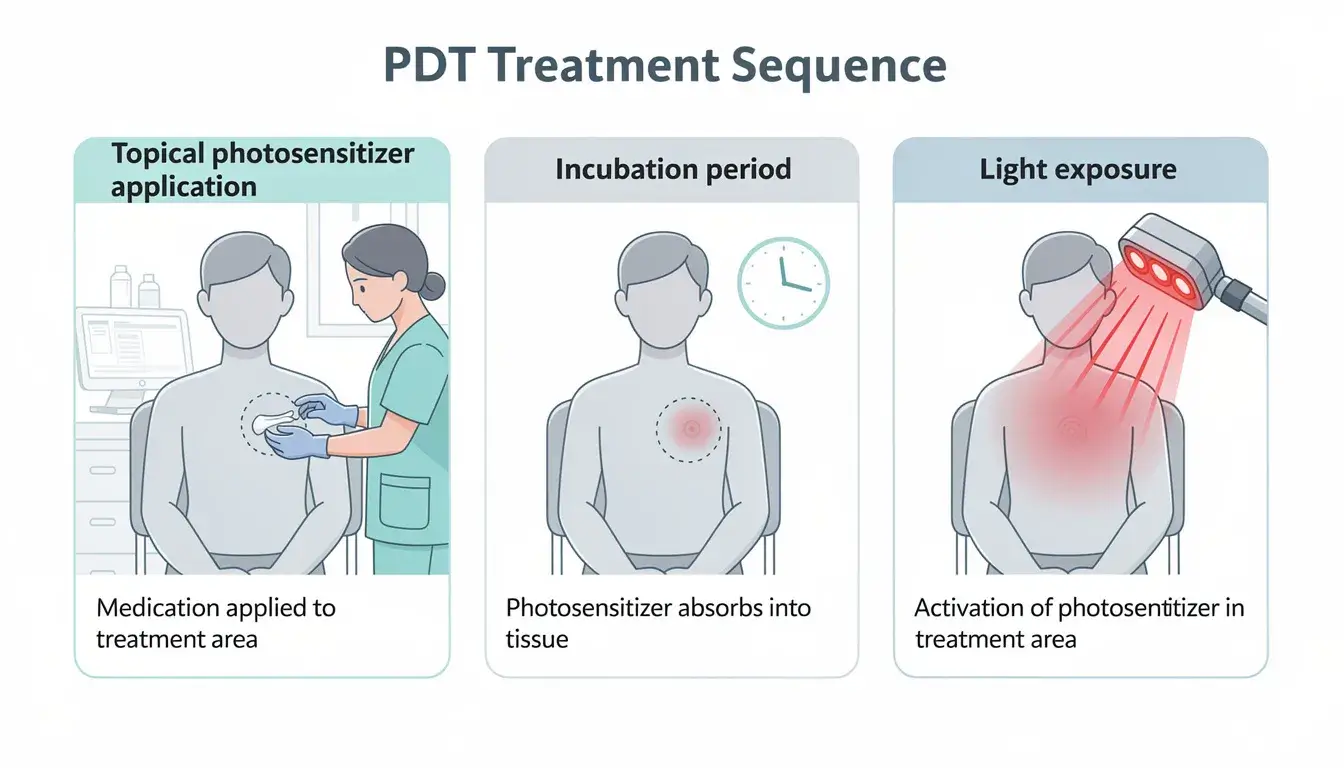
How Photodynamic Therapy Works
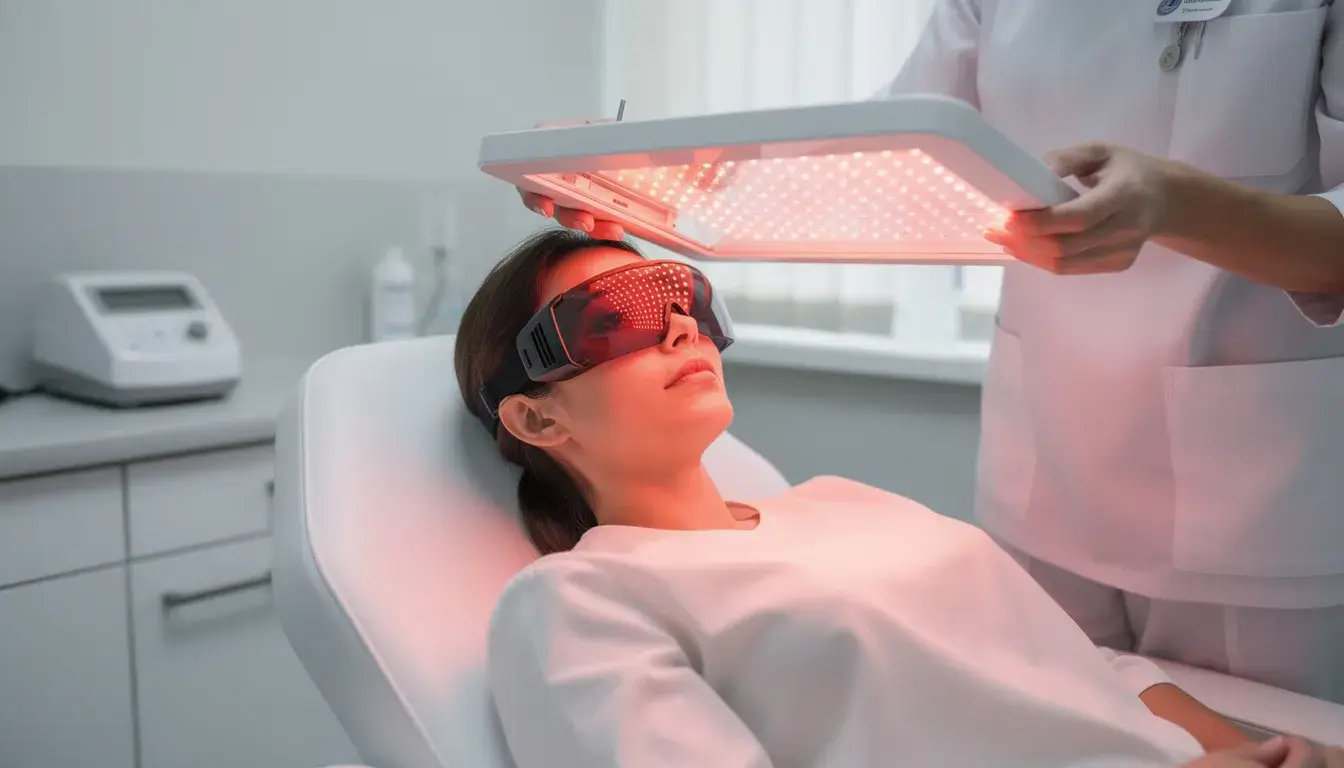
The mechanism behind PDT treatment relies on a three-component system: a photosensitizing agent, a specific wavelength of light, and oxygen present in tissue. When the photosensitizer accumulates preferentially in tumor cells and pre cancerous cells, subsequent light activation triggers the production of reactive oxygen species that damage and ultimately kill cancer cells.
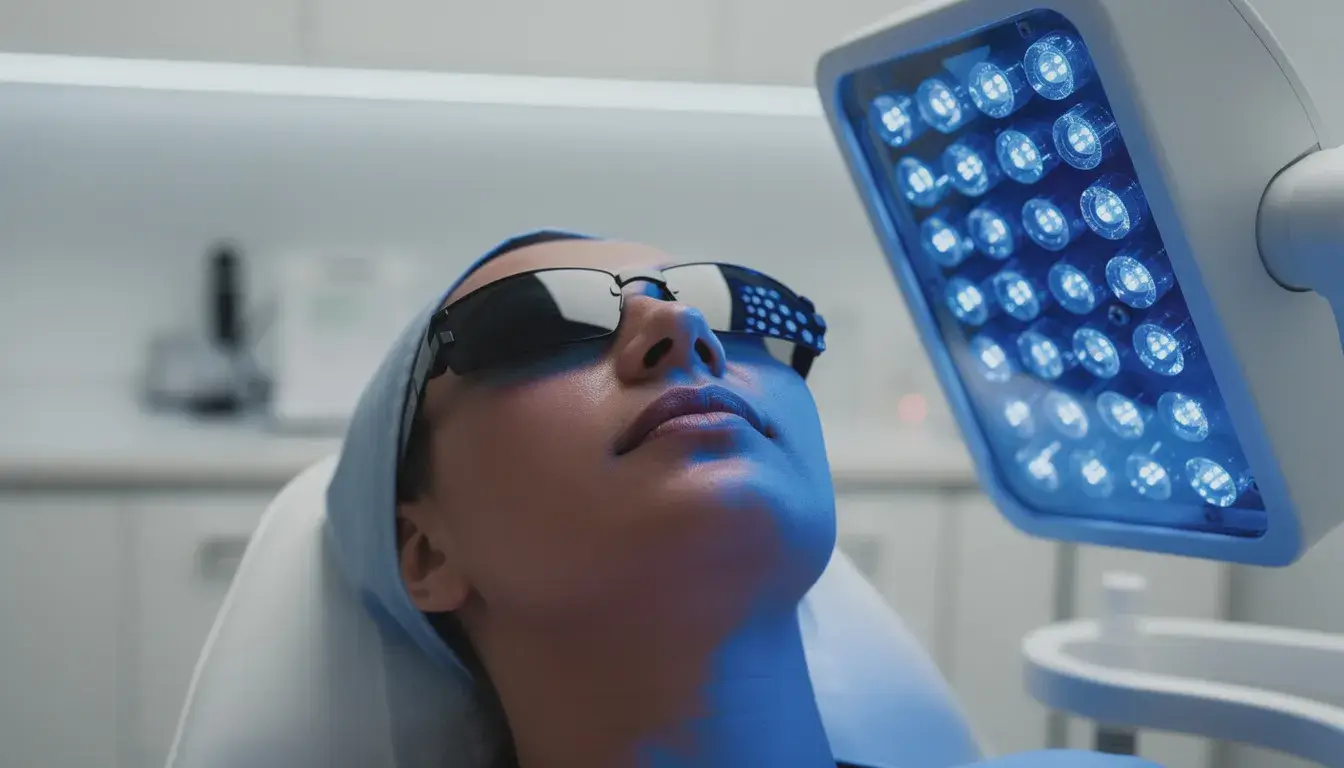
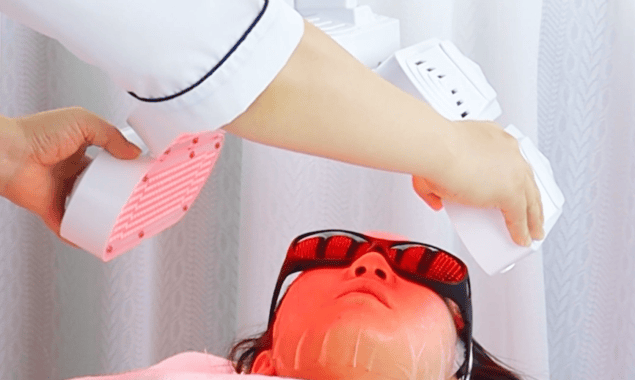
Different photosensitizers and light wavelengths are selected based on the treatment depth required. Blue light provides sufficient tissue penetration for treating thin lesions like actinic keratoses on sun-damaged skin. Red light penetrates deeper into the skin and proves more effective for thicker lesions and targets like the sebaceous glands.
Common light sources include lasers, LEDs, and fiber optic cable systems. For internal organs, endoscopes deliver laser light directly to esophageal or bronchial tumors.
The PDT process follows these key steps:
-
Drug administration: The photosensitizing agent is applied topically, taken orally, or administered intravenously
-
Waiting period: A drug-light interval allows the agent to accumulate in abnormal cells (minutes to 48-72 hours depending on the agent)
-
Targeted light exposure: A light source delivers energy at the specific wavelength required to activate the drug
-
Cellular destruction: Light activates the photosensitizer, generating reactive oxygen species that destroy unhealthy cells while leaving healthy tissue relatively intact
What Photodynamic Therapy Is Usually Used For
Photodynamic therapy is usually used for treating precancerous skin conditions, certain early stage cancers, and select tumors in the lungs and esophagus. The therapy fills specific niches where light can effectively reach the tumor or lesion, making it particularly valuable for superficial or accessible malignancies.
Main clinical uses include:
-
Actinic keratosis (sun-induced precancerous lesions commonly found on the face, scalp, and hands after years of sun exposure)
-
Superficial basal cell carcinoma and some superficial squamous cell carcinoma in situ
-
Early or superficial esophageal cancer and Barrett’s esophagus with dysplasia
-
Early-stage or obstructive non-small cell lung cancer in central airways
-
Palliative debulking of large tumors causing obstruction in the esophagus or bronchi
-
Dermatologic skin conditions like acne, photoaging, and inflammatory disorders
While PDT is not a universal cancer treatment, it serves as an effective treatment option where light energy can reach damaged skin cells or accessible tumor cells. Some applications carry FDA approval—such as PDT for actinic keratoses and certain esophageal cancers—while others remain part of clinical trials or specialized cancer-center protocols. The National Cancer Institute continues to support research into expanded indications.
Conditions Commonly Treated With PDT
PDT is used both in oncology and dermatology, with applications ranging from treating pre cancers to managing head and neck cancers. The most frequent indications fall into distinct categories based on the treatment modalities and clinical settings involved.
Precancerous Skin Lesions and Non-Melanoma Skin Cancer
Actinic keratoses on sun-exposed areas represent among the most common indications for PDT, particularly in older adults with chronic UV damage from years of sun exposure. These pre cancerous spots, if left untreated, can progress to squamous cell carcinoma.
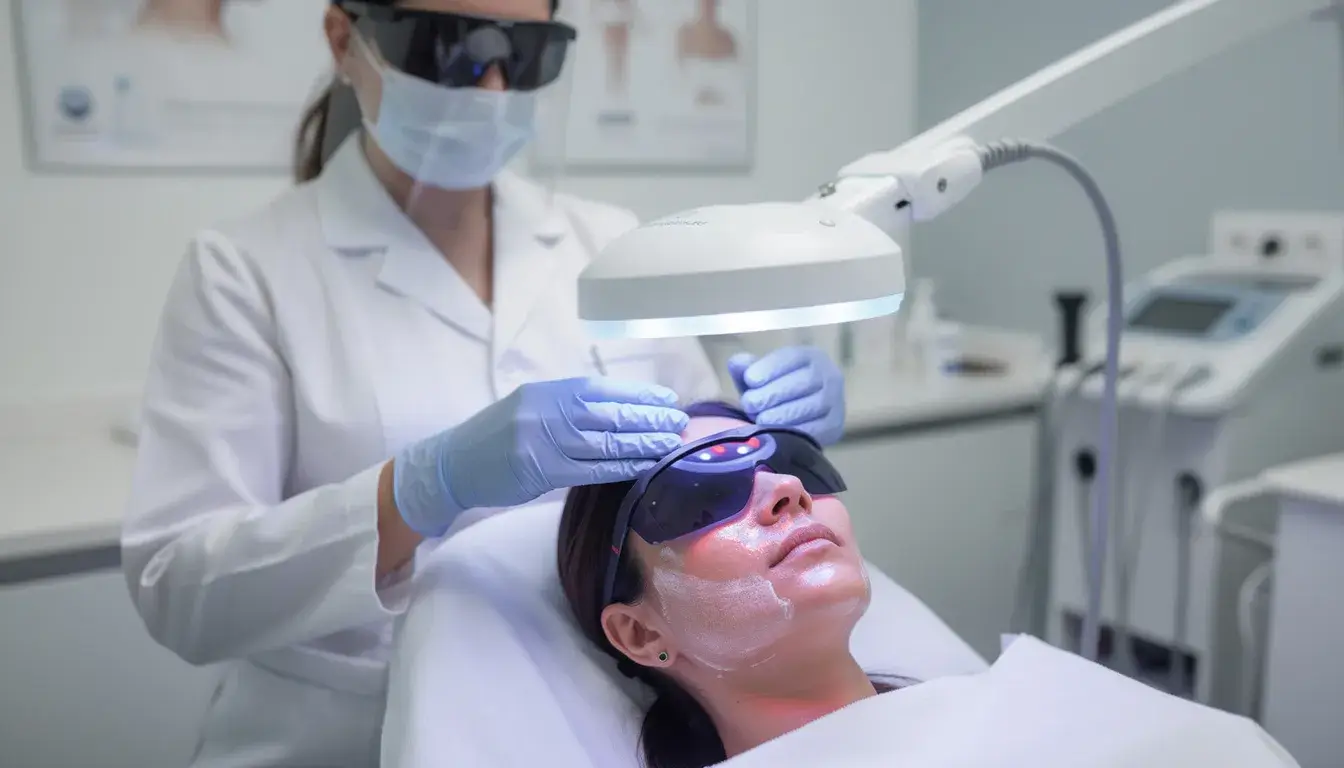
PDT is applied to multiple skin lesions or areas of “field cancerization” on the scalp, face, and forearms, typically as an outpatient procedure in dermatology clinics. The treatment protocol usually involves:
-
Cleansing and preparing the treatment area
-
Applying a topical photosensitizer (commonly 5-aminolevulinic acid or methylaminolevulinate)
-
Waiting 1-3 hours for drug uptake
-
Exposing the area to red light or blue light for 15-30 minutes
-
Post treatment care including cooling and protective covering
For superficial basal cell carcinoma and squamous cell carcinoma in situ, PDT offers an alternative when surgery might cause cosmetic or functional issues. A Cochrane review involving 363 patients demonstrated that PDT for SCC in situ resulted in minimal scarring compared to cryotherapy or 5-fluorouracil—a significant advantage for sensitive areas like the face.
Treatment sessions typically last 30-90 minutes, and patients must strictly avoid direct sunlight and bright light immediately after treatment. Sun protective clothing becomes essential during the recovery period.
Esophageal and Lung Cancers
PDT is used to treat cancer in some early-stage esophageal cancers and high-grade dysplasia in Barrett’s esophagus, where lesions remain accessible to endoscopic light delivery. The FDA has approved PDT for both esophageal cancer and non-small cell lung cancer.
For lung cancer within central airways, PDT serves to reduce tumor bulk and relieve symptoms like cough, dyspnea, or airway obstruction. Light is delivered through an endoscope or bronchoscope using fiber-optic catheters to precisely illuminate the tumor area.
Key applications include:
|
Cancer Type |
PDT Role |
Light Delivery Method |
|---|---|---|
|
Early esophageal cancer |
Curative intent |
Endoscopic fiber optic |
|
Barrett’s esophagus |
Dysplasia treatment |
Endoscopic |
|
Central airway lung cancer |
Tumor debulking |
Bronchoscopic |
|
Advanced esophageal obstruction |
Palliative |
Endoscopic |
These procedures require specialized cancer centers or university hospitals with trained interventional teams. The technique allows treatment of tumors that might otherwise require more invasive surgical approaches.
Palliative Tumor Debulking and Symptom Relief
When curative options are limited, PDT is often used palliatively to improve quality of life by opening blocked esophageal or bronchial passages. This approach focuses on symptom relief rather than eliminating all cancer cells.
Key symptoms that may be alleviated include:
-
Difficulty swallowing (dysphagia)
-
Shortness of breath
-
Persistent cough
-
Bleeding from friable tumors
Consider a patient with advanced esophageal cancer causing near-complete obstruction: PDT can restore the ability to swallow liquids and soft foods within a few days, dramatically improving daily life. The treatment can be repeated as needed and may be combined with stents or other interventions to maintain airway or luminal patency.
Dermatologic and Cosmetic Uses (Acne, Photoaging, Other Skin Conditions)
PDT is increasingly used in dermatology for moderate to severe acne by targeting sebaceous glands and acne-causing bacteria. Research shows that MAL-PDT achieved 100% successful treatment at week 10, compared to 77.7% success rates with red light alone.
Cosmetic applications include improving photoaged skin, fine wrinkles, sun spots, and mottled pigmentation. The therapy addresses sun damage accumulated over years of sun exposure.
Common cosmetic PDT protocols:
-
Blue light (around 415 nm) targeting porphyrins in acne-causing bacteria
-
Red light (around 630-660 nm) for collagen stimulation
-
Combination approaches for comprehensive skin rejuvenation
Additional off-label indications sometimes seen in practice include certain warts and inflammatory conditions, though these uses vary by country and clinical guidelines. Multiple treatment sessions are typically required, and patients must commit to avoiding sun exposure and wearing sun protective clothing during the healing period.
Temporary side effects like peeling skin, redness, and swelling are common but resolve within a few days to weeks.
Step-by-Step PDT Procedure and Patient Preparation
The PDT pathway from consultation to post treatment care follows a structured process, with most treatments delivered as an outpatient procedure. Understanding each phase helps both clinicians and patients prepare for optimal outcomes.
Pre-treatment assessment:
-
Complete medical history review
-
Medication evaluation (some drugs increase photosensitivity)
-
Assessment of photosensitivity risk factors
-
Discussion of specific contraindications
Patient preparation:
-
Education about light sensitivity following treatment
-
Instructions to avoid sunlight and strong indoor lighting for a defined period
-
Planning for transportation (some patients cannot drive immediately after)
-
Arranging protective clothing and eyewear
Photosensitizer administration:
-
Topical application for skin conditions (cleansed skin, even distribution)
-
Oral or IV administration for systemic or internal tumors
-
Precise dosing based on body weight and treatment protocol
Drug-light interval:
-
Topical agents: typically 1-3 hours for skin uptake
-
IV agents: 48-72 hours for optimal tumor accumulation
-
Patient remains in controlled lighting during this period
Light exposure:
-
Calibrated devices (lasers or LEDs) deliver the specific wavelength
-
Treatment duration varies from 10-45 minutes depending on indication
-
Power density and total energy dose precisely controlled
-
Protective eyewear required for patient and healthcare provider
Immediate post-procedure care:
-
Cooling measures for treated skin
-
Application of appropriate dressings
-
Pain management as needed
-
Protective covering of normal cells in surrounding areas
-
Written instructions for home care
Patients must avoid direct sunlight and bright light for the prescribed period—ranging from 24 hours for some topical agents to several weeks for certain IV photosensitizers. The treatment area requires careful monitoring for expected reactions like redness and swelling versus signs requiring medical attention.
Benefits, Limitations, and Side Effects of PDT
PDT offers a precise, tissue-sparing treatment option for appropriate candidates, though it is not suitable for all tumors or all patients. Understanding the trade-offs helps in selecting the right treatment modalities.
Benefits of PDT:
Targeted destruction of diseased tissue with limited collateral damage stands as the primary advantage. The photosensitizer concentrates in abnormal cells, so when light activates the drug, it preferentially affects tumor cells while left normal cells relatively unharmed.
Minimal scarring compared to surgical approaches makes PDT particularly valuable for cosmetically sensitive areas like the face. For SCC in situ, PDT demonstrated notably less scarring than cryotherapy or topical chemotherapy in clinical studies.
PDT works as an outpatient procedure in most cases, allowing patients to return home the same day. The treatment can be repeated if needed and is compatible with surgery, radiation therapy, and systemic therapies. According to medical literature, PDT has no long-term side effects—a significant consideration for patients requiring multiple treatments.
Limitations of PDT:
Light penetration restricts PDT to surface or near-surface lesions, typically reaching only about 10mm into tissue. This makes it unsuitable for large tumors or deeply seated malignancies where light cannot effectively reach all cancer cells.
Blood vessels and tissue characteristics affect light distribution, sometimes resulting in incomplete treatment of irregularly shaped tumors. The therapy cannot treat tumors in internal organs unless they’re accessible via endoscope or other light delivery devices.
Specialized equipment and trained clinicians are required, often limiting availability to larger medical centers. Not all healthcare providers have access to PDT technology or the expertise to perform these procedures.
Side effects to expect:
Local reactions in the treatment area are common and expected. These include pain, burning sensation, swelling, redness, and possible blistering or crusting. Most resolve within a few days.
Temporary photosensitivity of skin and eyes represents a significant consideration. Depending on the photosensitizing agent used, patients may need to avoid sun exposure for days to weeks. Healthy tissue can react to light during this period, making protective measures essential.
Organ-specific issues occur with internal PDT. Esophageal PDT may cause temporary difficulty swallowing, while airway PDT can result in cough or transient breathing discomfort. These effects typically resolve as treated areas heal.
|
Aspect |
Details |
|---|---|
|
Pros |
Targeted treatment, minimal scarring, outpatient delivery, repeatable, no long-term side effects |
|
Cons |
Limited penetration depth, requires specialized equipment, temporary photosensitivity |
|
Common side effects |
Pain, redness, swelling, peeling skin, light sensitivity |
Medical Devices, Light Sources, and the Role of Power Quality
Effective PDT relies heavily on precisely controlled medical devices—drug delivery systems, light sources, and monitoring electronics—all of which depend on clean, stable power. The accuracy of light wavelength and intensity directly impacts treatment outcomes.
Types of PDT equipment:
-
High-stability lasers with tightly controlled wavelength output (commonly 630-650nm for red light applications)
-
LED-based light sources offering broader treatment areas and multiple wavelength options
-
Endoscopic and fiber-optic systems for internal organ treatments
-
Control consoles with safety interlocks and dosimetry monitoring
-
Cooling systems to prevent thermal damage during extended exposures
Jingyue Beauty: Aesthetic PDT Devices and Applications
Jingyue Beauty provides aesthetic and dermatologic devices that utilize photodynamic principles for skin rejuvenation, acne management, and other non-invasive cosmetic indications. Their products bring PDT technology from clinical oncology settings into the beauty and wellness market.
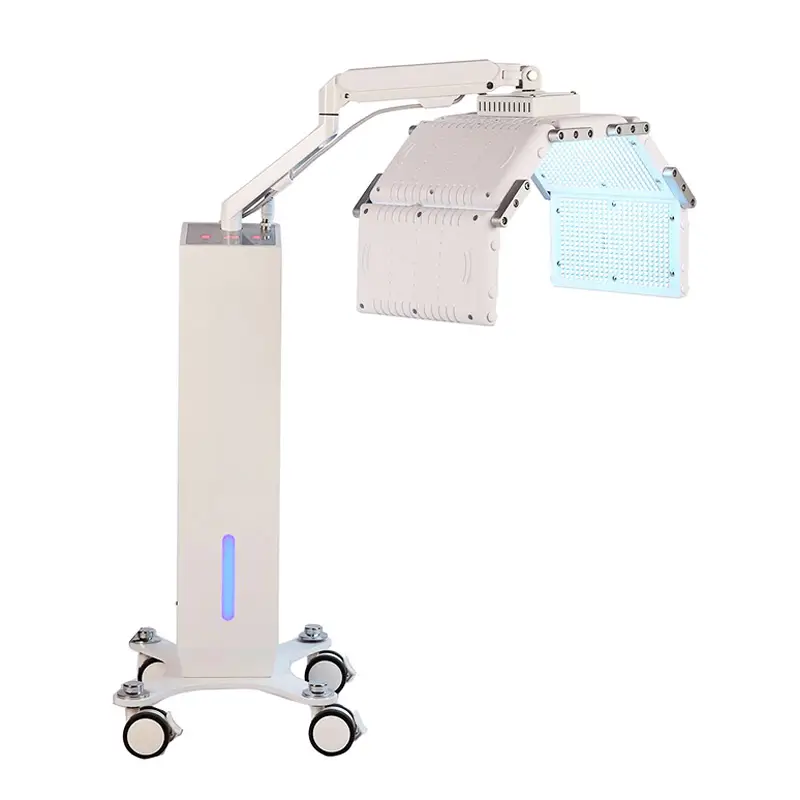
Jingyue Beauty’s product portfolio includes:
-
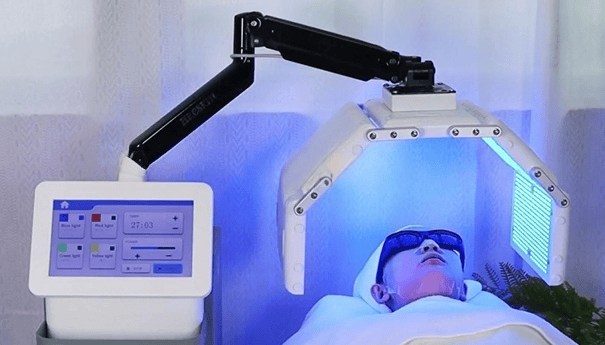
LED-based PDT facial systems designed for salon, clinic, and home-use environments
-
Multi-wavelength panels delivering red, blue, and near-infrared light
-
Targeted handheld PDT devices for localized treatment of acne lesions, small pigmented areas, or sensitive areas
-
Integrated aesthetic platforms combining PDT with other modalities such as RF (radiofrequency) or microcurrent
How Jingyue Beauty PDT devices are typically used:
|
Wavelength |
Target |
Application |
|---|---|---|
|
Blue light (~415nm) |
Acne-causing bacteria porphyrins |
Acne treatment |
|
Red light (~630-660nm) |
Fibroblast stimulation |
Collagen production, photoaging |
|
Near-infrared |
Deeper tissue layers |
Enhanced penetration for rejuvenation |
Combination protocols involving topical photosensitizers can deliver more intensive cosmetic results under clinical supervision. These approaches mirror the principles of medical PDT but with parameters optimized for aesthetic outcomes rather than cancer treatment.
Jingyue Beauty equipment operates with lower power and non-invasive settings compared to oncology-grade PDT systems, prioritizing safety and comfort for aesthetic clients. Treatment sessions are typically shorter and require less stringent post-procedure light avoidance than medical PDT protocols.
Future Directions: Expanding Uses of PDT in Medicine and Aesthetics
Current research frontiers are pushing PDT beyond its traditional applications. Photoimmunotherapy (PIT), deeper-penetration light sources, and new photosensitizers with shorter photosensitivity periods represent active areas of investigation.
Ongoing clinical trials are investigating:
-
Broader cancer indications including prostate, brain, cervix, and peritoneal metastases using specialized light-delivery techniques
-
Enhanced immune-system activation to extend the benefits of local PDT to systemic control of cancer—potentially treating tumors distant from the light application site
-
More refined dermatologic protocols for chronic inflammatory skin conditions and scar modulation
-
Third-generation photosensitizers with greater selectivity toward cancer cells and minimal accumulation in normal tissue
Implications for device manufacturers:
Growing demand for more versatile, multi-wavelength systems requires precise power control across different operating modes.
Novel organic fluorophores and peptidic zipper-based photosensitizers currently under development may enable real-time treatment monitoring and more selective tumor targeting.
Photodynamic therapy is usually used for treating precancerous skin conditions, certain non-melanoma skin cancers, and accessible tumors in organs like the esophagus and lungs. From its roots in oncology to its expanding role in aesthetic dermatology, PDT continues to evolve as research identifies new applications and improves existing protocols.
PDT Skin Treatment Before and After: What To Expect, Results & LED Alternatives
Related Article