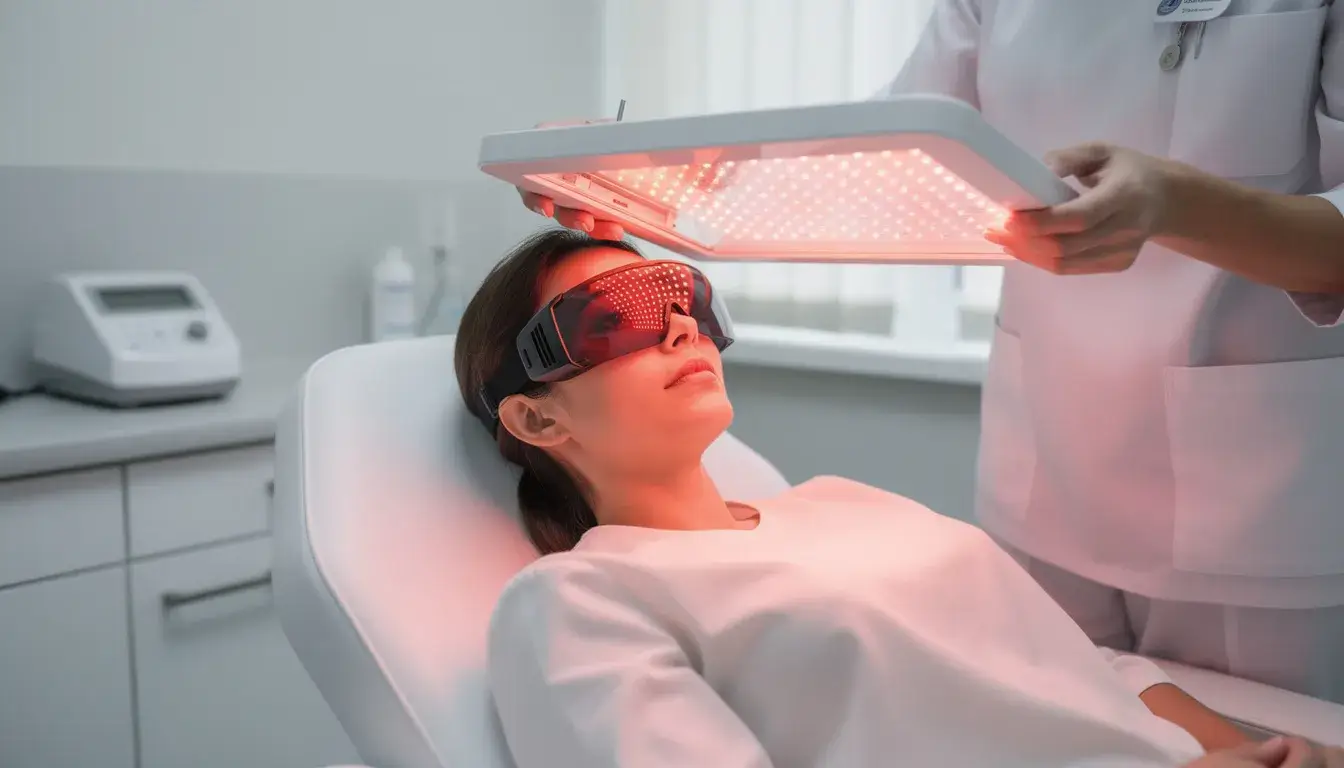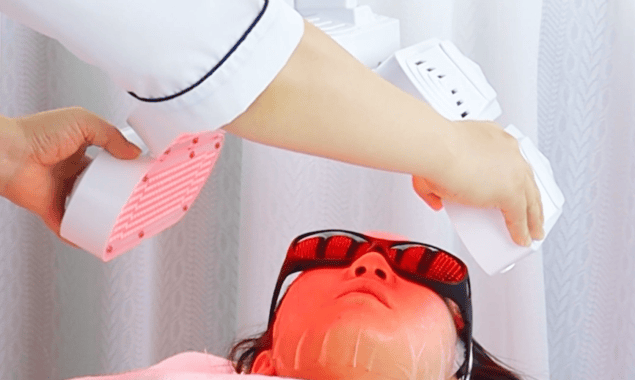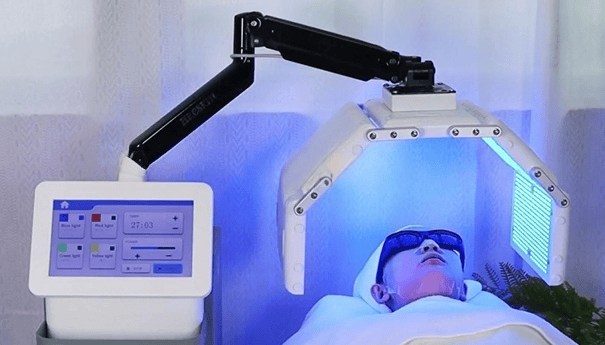
PDT Skin Treatment Before and After: What To Expect, Results & LED Alternatives
If you’ve been diagnosed with actinic keratoses, stubborn acne, or widespread sun damage, your dermatologist may have recommended photodynamic therapy as a treatment option. Understanding exactly what happens to your skin before and after PDT can help you prepare for the process and set realistic expectations for your results.
PDT treatment combines a topical photosensitizer—typically aminolevulinic acid (ALA) or Ameluz—with controlled blue light or red light exposure to selectively destroy abnormal or overactive skin cells. The typical before and after changes include fewer actinic keratoses, smoother skin texture, reduced redness, and diminished acne lesions. This article walks you through real-world timelines, day-by-day recovery expectations, and how to prepare and care for your skin throughout the process.
While clinic-based PDT remains the gold standard for precancerous lesions and severe acne, at-home LED light therapy devices like Jingyue Beauty’s LED Light Therapy Machine offer a lower-intensity, non-photosensitizer alternative for maintenance and mild skin concerns.
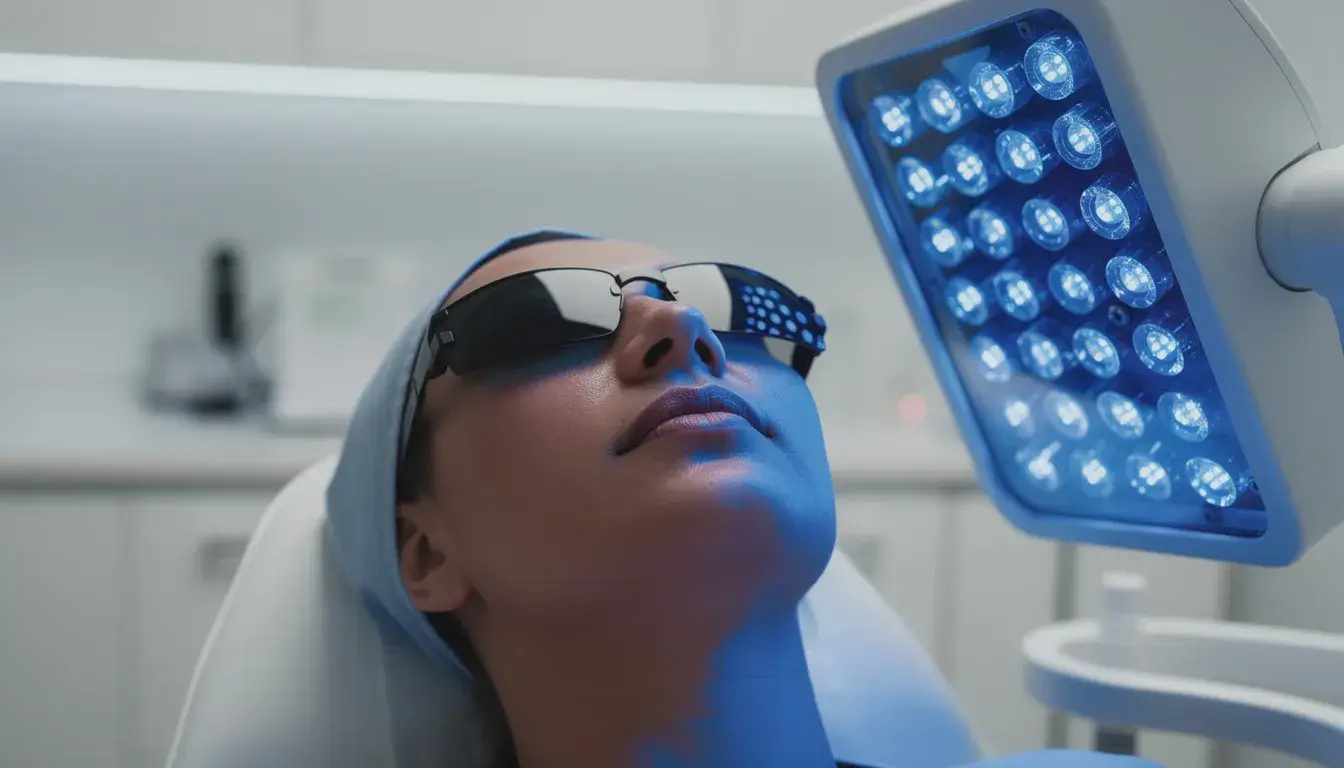
What is Photodynamic Therapy (PDT)?
Photodynamic therapy is a light treatment that works through a precise three-step process:
-
Application: A photosensitizing topical solution (e.g., Levulan or Ameluz gel) is applied to the treatment area
-
Incubation: The solution is absorbed over 60-120 minutes, accumulating preferentially in abnormal cells
-
Activation: The treated area is exposed to a specific wavelength of light, triggering a photochemical reaction
The photosensitizer preferentially accumulates in rapidly dividing or damaged cells—whether those are precancerous lesions on your scalp or overactive oil glands contributing to acne. When activated by light, the agent generates reactive oxygen species that destroy those targeted cells while leaving surrounding healthy tissue largely unaffected.
Common Treatment Targets
|
Condition |
Description |
Typical Treatment Area |
|---|---|---|
|
Actinic keratoses (AKs) |
Rough, scaly precancerous spots |
Face, scalp, ears, forearms, hands |
|
Superficial skin cancer |
Select thin basal cell carcinomas |
Face, trunk |
|
Diffuse sun damage |
Field cancerization |
Full face, scalp, chest |
|
Moderate to severe acne |
Inflammatory lesions resistant to medications |
Full face, upper back |
Blue Light vs. Red Light in PDT
The two primary wavelengths used in PDT serve different purposes:
-
Blue light (410-420 nm): Penetrates 1-2 mm into the skin; ideal for superficial AKs and thin lesions
-
Red light (630-635 nm): Penetrates 4-6 mm; better for thicker lesions and more intensive treatment
From an engineering standpoint, both PDT light sources and LED-based systems require precise wavelength control and minimal electrical noise.
What Conditions Does PDT Treat? (Precancerous Lesions, Sun Damage & Acne)
PDT addresses three main categories of skin conditions, each with distinct before-and-after expectations.
Actinic Keratoses (AKs)
Actinic keratoses are rough, scaly spots that develop on sun-exposed areas after years of cumulative sun exposure. They appear frequently in patients over 40 with fair skin and outdoor lifestyles. Left untreated, AKs carry a risk of progression to squamous cell skin cancer—making treatment important beyond just cosmetic concerns.
Clinical studies show PDT achieves 70-90% clearance rates for facial and scalp AKs after a single session, often outperforming alternatives like liquid nitrogen (cryotherapy) in cosmetic outcomes.
Superficial Non-Melanoma Skin Cancers
In specific protocols, thin basal cell carcinomas and squamous cell carcinoma in situ may be treated with PDT. However, deeper or aggressive skin cancers usually require surgery (such as Mohs micrographic surgery) for complete removal. Your dermatologist will determine if PDT is appropriate based on biopsy results and tumor characteristics.
Diffuse Photodamage
“Field therapy” treats the entire treatment area—not just visible spots—to address both clinical and subclinical lesions. This approach can clear dozens of AKs at once while improving overall skin texture and reducing blotchy pigmentation caused by decades of sun damage.
Acne
PDT can shrink overactive sebaceous oil glands, reduce acne-causing bacteria, and improve inflammatory lesions such as cysts and red papules. Studies show 50-70% reduction in inflammatory acne lesions after 2-4 sessions, with sustained improvements in comedones, papules, and cysts. Treatment is usually done in a series of 3 or more sessions spaced 3-4 weeks apart.
Optional Cosmetic Benefits
While PDT is primarily a medical procedure, many patients report brighter skin, more even tone, and softened fine lines as a beneficial side effect. The healing process stimulates collagen remodeling, contributing to healthier-looking skin beyond just treating the target skin condition.
Before PDT: Consultation, Preparation & Candidacy
Prior to any PDT session, a consultation with a board-certified dermatologist or dermatologic surgeon is essential. This visit confirms your diagnosis, rules out invasive skin cancers that need surgery, and establishes a treatment plan tailored to your needs.
Key Candidacy Factors
-
Presence of multiple AKs or diffuse sun damage
-
Superficial lesions (not deeply invasive)
-
Moderate to severe acne not responding to topical or oral medications
-
Fitzpatrick skin type (fair skin types typically respond well)
-
Good overall health status
Contraindications
PDT is not appropriate for everyone. Discuss these contraindications with your provider:
-
Porphyria or other photosensitivity disorders
-
Lupus or other light-sensitive autoimmune conditions
-
Allergy to ALA, Ameluz, or related compounds
-
Certain photosensitizing medications (amiodarone, griseofulvin, high-dose isotretinoin, methotrexate)
-
Pregnancy or breastfeeding
-
Uncontrolled infections in the treatment area
Pre-Treatment Steps
|
Preparation |
Details |
|---|---|
|
Skin cleansing |
Arrive with clean skin free of makeup, sunscreen, moisturizer, or self-tanner |
|
Hair removal |
Shave thick hair 1-2 days before scalp or beard treatment |
|
Protective gear |
Bring wide-brim hat, scarf, and protective clothing for after treatment |
|
Cold sore history |
Inform provider if you have HSV history; prophylactic antivirals may be prescribed |
Most full-face PDT visits take approximately 1.5-3 hours total, including skin preparation, photosensitizer incubation (usually 60-120 minutes), and light exposure (around 10-30 minutes).
How PDT is Performed: Step-by-Step in the Clinic
Understanding the clinical workflow helps reduce anxiety and ensures you know what to expect during your procedure.
Step 1: Check-In and Documentation
You’ll complete consent forms, and the clinical team will take standardized photographs of your treatment area for before-and-after documentation. These images are taken at consistent distance, angle, and lighting to accurately capture changes over time.
Step 2: Skin Preparation
Your skin is thoroughly cleansed. In some cases, gentle curettage or microdermabrasion is performed to remove scale and enhance absorption of the photosensitizer.
Step 3: Photosensitizer Application
The photosensitizing agent (e.g., Levulan Kerastick or Ameluz gel) is applied to the full treatment field—not just visible spots. This ensures both clinical and subclinical lesions are addressed.
Step 4: Incubation Period
You wait 60-120 minutes in a low-light room while the solution penetrates and is absorbed into target cells. The timing depends on the product used and treatment goal (AK treatment vs. acne treatment).
Step 5: Light Activation
-
You and clinical staff wear protective eyewear
-
The treated area is exposed to a specific light source for 4-30 minutes
-
Common sensations include warmth, stinging, or a burning sensation that often peaks in the first 5-10 minutes
-
Cooling fans, cold air, or topical anesthetics may be used for comfort
Step 6: Post-Treatment Care
Physical sunscreen is applied before you leave, and you’ll receive detailed aftercare instructions.
The clinic’s devices—including any LED systems similar in principle to the Jingyue Beauty LED Light Therapy Machine—must deliver stable, flicker-free light output.
PDT Before and After Timeline: What to Expect Day by Day
This section answers the question most patients ask: “What will my skin look like?” The reactions vary by individual but follow a recognizable pattern.
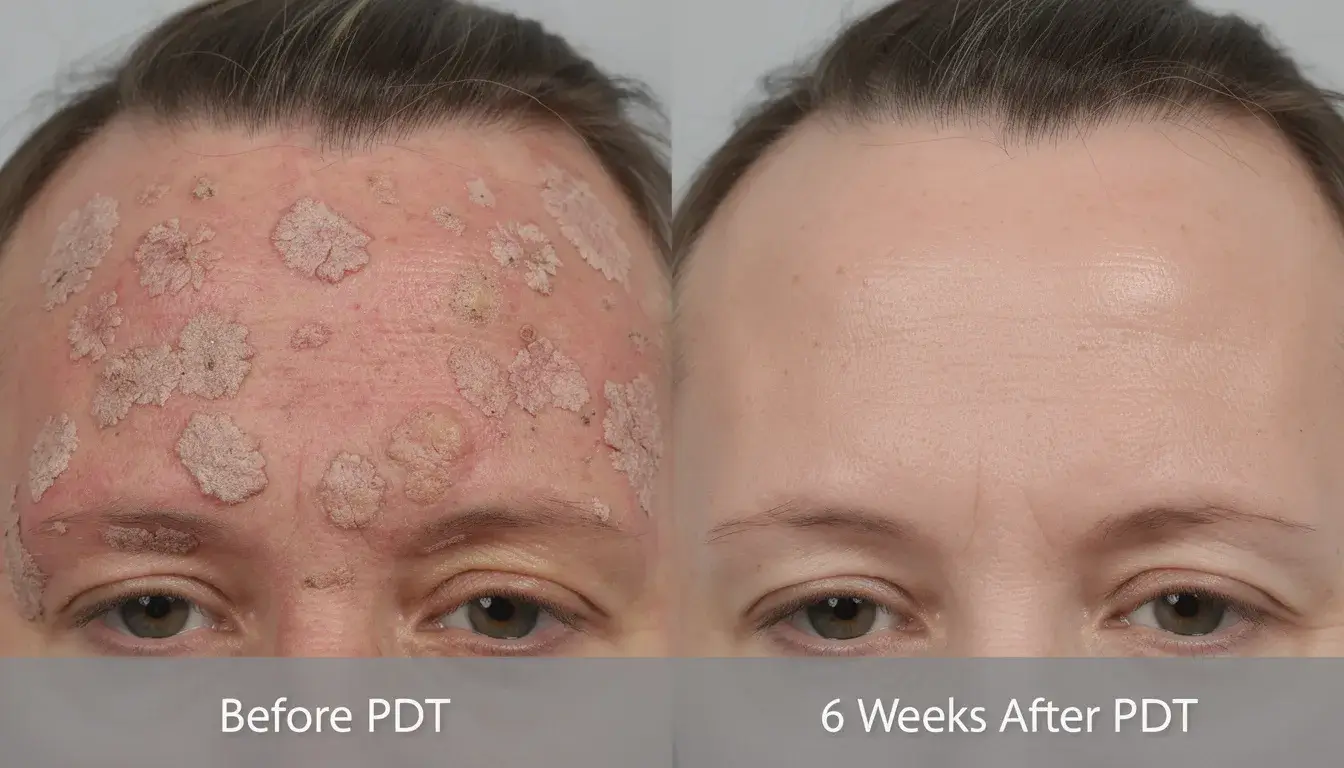
Before Treatment (Baseline)
Typical baseline findings include:
-
Rough, scaly AK patches on sun-exposed areas
-
Mottled pigmentation and skin discoloration
-
Leathery texture from chronic sun damage
-
Inflamed acne lesions (for acne patients)
Standardized clinical photos document these findings for comparison.
Day 0: Treatment Day
Immediately after the procedure, your skin usually appears pink to red and may feel warm or tender. Before leaving the office:
-
Apply a physical sunscreen (zinc or titanium-based)
-
Wear protective clothing, including a wide-brim hat
-
Cover the treated area completely
Days 1-2: Peak Photosensitivity
This is the strongest photosensitivity window. Expect:
-
Very red, swollen, and tight skin
-
Increased sensitivity around eyelids and lips
-
Possible discomfort similar to a moderate sunburn
Critical: You must avoid all direct and indirect sunlight, bright indoor lights (halogen lamps, tanning beds), and even light through windows during this period. Stay indoors with curtains drawn.
Days 3-5: Peeling Begins
-
Redness starts to fade
-
Flaking, crusting, and peeling become apparent
-
AK sites may show more pronounced peeling
-
Acne patients may notice decreased oiliness
-
Some tingling or itching is normal
This phase is temporary and part of the healing process.
Days 6-10: Resolution
-
Most peeling resolves
-
Underlying skin appears smoother and less mottled
-
More even tone becomes visible
-
Many patients see noticeable reduction in visible AKs, roughness, and acne breakouts
-
The treated area continues to heal
Weeks 4-12: Final Results
Results stabilize during this period. This is when:
-
Repeat standardized photographs are taken
-
Decisions are made about additional PDT sessions
-
Adjunct treatments (topical 5-FU, retinoids, or gentle LED sessions) may be recommended
Some AKs may persist or recur within months to years, requiring periodic follow-up and possibly repeat PDT treatment.
Visual Results: Typical “Before and After” Changes with PDT
Clinical photographs taken at consistent distance, angle, and lighting accurately capture the improvement most patients experience.
Actinic Keratoses and Sun Damage
Common improvements include:
-
Fewer visible scaly lesions
-
Smoother touch and improved skin texture
-
More uniform skin color
-
Softening of fine lines on forehead and cheeks
-
Less “weathered” appearance of the scalp and temples
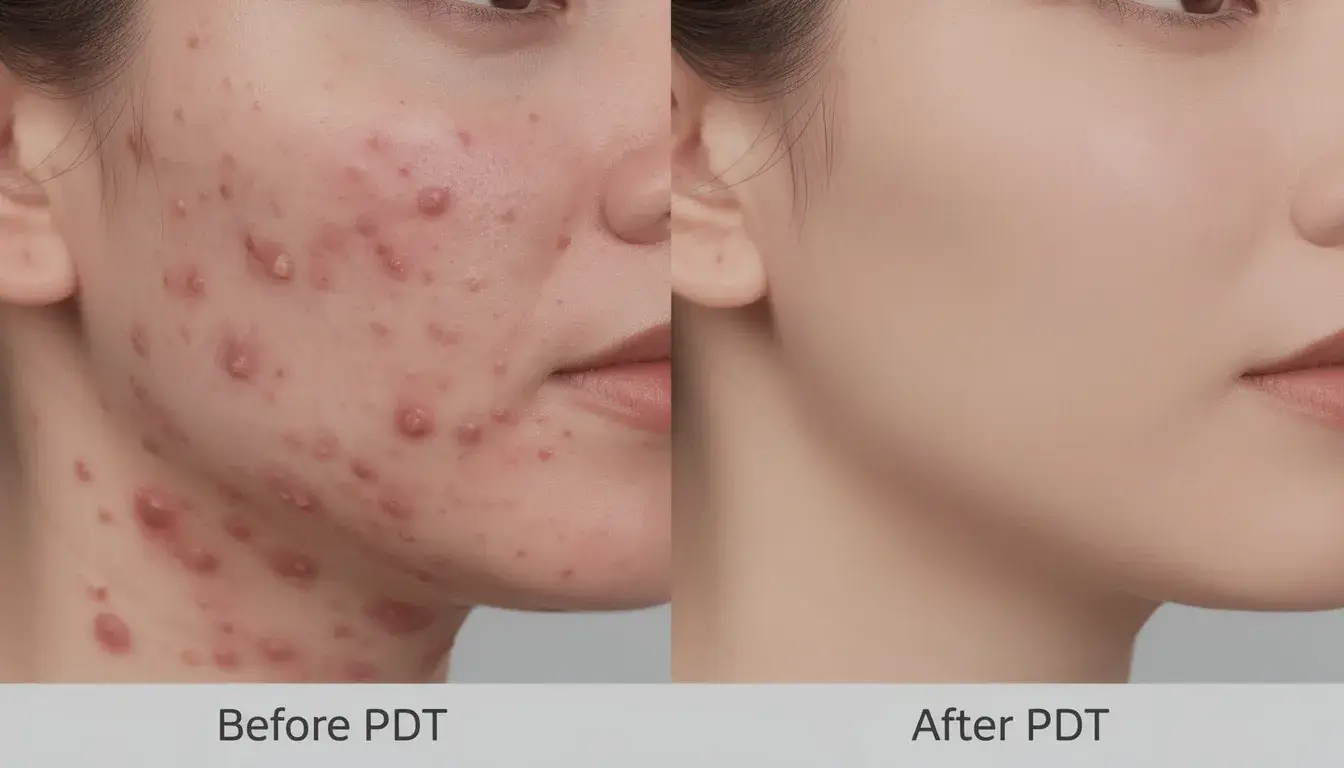
Acne
Typical before-and-after changes show:
-
Reduction in inflammatory cysts and red bumps
-
Less oiliness on T-zone
-
Fewer new breakouts over following weeks
-
Fading of some post-inflammatory redness
Temporary Darkening
Some patients experience darkening of “liver spots” (lentigines) for several days before they lighten. This is expected and usually temporary—part of the normal healing response.
Durability of Results
Improvements in AK count may last many months, but ongoing sun exposure can create new lesions. Strict sun protection is essential for maintaining your “after” results. Individual results vary based on:
-
Severity of initial damage
-
Number of sessions completed
-
Skin type and Fitzpatrick classification
-
Adherence to aftercare instructions
-
Specific light system used
Side Effects, Downtime and Risks: Before vs After Reality
While PDT is non-invasive and usually spares scarring, it involves a predictable, sunburn-like reaction with temporary cosmetic downtime.
Common, Expected Side Effects
|
Side Effect |
Duration |
Notes |
|---|---|---|
|
Redness |
5-10 days |
Peaks days 1-2, then gradually fades |
|
Warmth/burning sensation |
24-48 hours |
Most intense during and immediately after light exposure |
|
Swelling |
2-5 days |
Most noticeable around eyes and lips |
|
Peeling/crusting |
5-10 days |
Part of normal healing; do not pick |
|
Temporary darkening of spots |
1-2 weeks |
Usually fades to lighter than before |
|
Tightness |
Up to 7-10 days |
Improves as skin heals |
Rare But Possible Issues
-
Infection from picking or scratching
-
Blistering (more common with aggressive protocols)
-
Prolonged hyperpigmentation (10-15%, more common in darker skin types)
-
Hypopigmentation (under 5%)
-
Extremely rare scarring
Important: Do not peel off crusts. Let them shed naturally to minimize risks.
Medication and Medical History Considerations
Some medications and medical conditions increase the risk of exaggerated reactions. Thorough medical history disclosure before treatment is essential.
Comparison to Alternatives
Compared to surgical removal or aggressive chemical peels, PDT often has:
-
Faster healing overall
-
Less risk of long-term texture changes
-
More visible short-term redness (temporary trade-off)
-
Rarely results in permanent scarring
Plan social and work schedules around expected redness and peeling, especially for full-face PDT. Ask your clinic for realistic “after” photos of typical reactions so you know what to expect.
Aftercare: Protecting and Enhancing Your Results
Meticulous aftercare in the first 48 hours is crucial. The activated photosensitizer remains in your skin, making you extremely sensitive to sunlight and even bright indoor lighting.
Strict Light Avoidance (First 48 Hours)
-
Stay indoors completely
-
Keep curtains drawn
-
Use only soft, indirect indoor lighting
-
Avoid screens close to the face if they cause heat or brightness
-
Absolutely no sun exposure or tanning beds
-
Wear protective clothing if you must go near windows
Even brief sun exposure during this window can cause severe sunburn-like reactions and compromise your results.
Sun Protection (Weeks 1-2 and Beyond)
Once the initial burning sensation subsides:
-
Apply physical sunblocks (SPF 50+ with zinc oxide or titanium dioxide)
-
Wear wide-brim hats outdoors
-
Use UV-protective clothing
-
Wear sunglasses to protect healing skin around eyes
-
Minimize sun exposure during peak hours
Gentle Skincare During Healing
|
Do |
Don’t |
|---|---|
|
Use fragrance-free cleansers |
Use scrubs or exfoliating products |
|
Apply bland, ceramide-based moisturizers |
Apply retinoids or acids |
|
Let crusts shed naturally |
Pick at peeling skin |
|
Pat skin dry gently |
Rub or irritate the treated area |
Pain Management
-
Cool compresses for comfort
-
Oral NSAIDs (if not contraindicated)
-
Topical corticosteroids or healing ointments as prescribed by your clinician
Ongoing Maintenance
Once your skin has fully healed, some dermatology practices recommend ongoing maintenance with lower-intensity LED treatments. These sessions—using professional devices or, for home support, a quality LED Light Therapy Machine like the one from Jingyue Beauty—can help control mild acne, maintain brightness, and support collagen without the downtime of repeated PDT.
PDT vs LED Light Therapy Machines (Including Jingyue Beauty)
Understanding the difference between medical PDT and stand-alone LED therapy helps you make informed decisions about your skincare approach.
Key Differences
|
Feature |
Medical PDT |
LED Light Therapy |
|---|---|---|
|
Photosensitizer |
Required (prescription) |
Not used |
|
Intensity |
High (creates photochemical reaction) |
Lower (cumulative, gentle effects) |
|
Downtime |
5-10 days typical |
Minimal to none |
|
Conditions treated |
Precancerous lesions, skin cancer, severe acne |
Mild acne, redness, general rejuvenation |
|
Setting |
Medical clinic only |
Clinic or at-home |
When In-Office PDT is Preferred
-
Multiple or thick actinic keratoses
-
Field cancerization on sun-damaged scalp or face
-
Stubborn moderate to severe acne that has failed standard topical and oral treatments
-
Superficial skin cancers (select cases)
When LED Machines Like Jingyue Beauty Fit
-
Ongoing skincare maintenance
-
Mild acne management
-
Redness reduction
-
General skin rejuvenation
-
Extending the “after” phase between PDT sessions
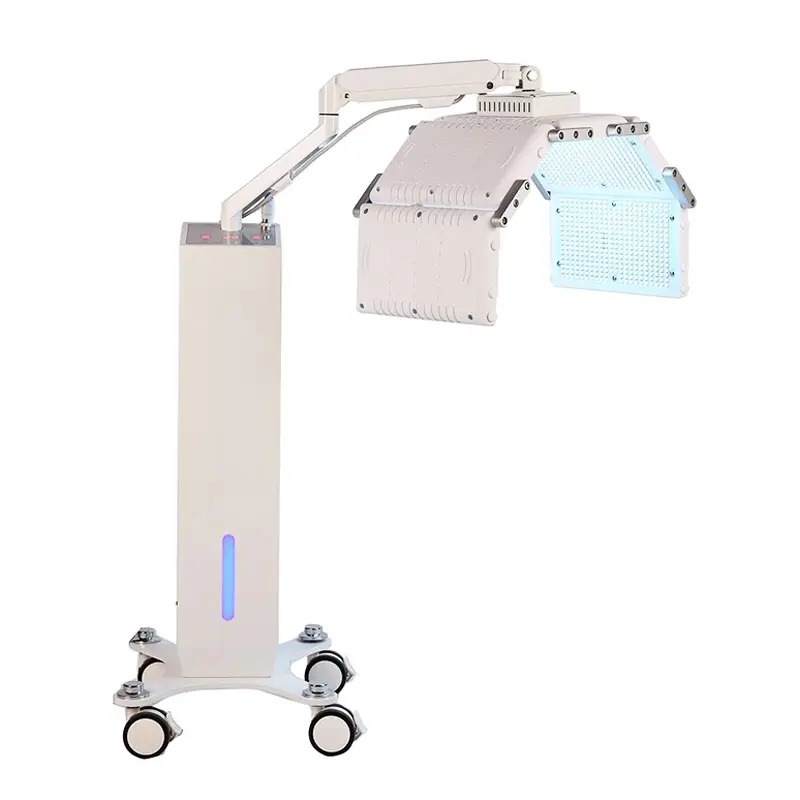
LED therapy is typically associated with minimal to no downtime, making it attractive for busy patients or those not ready for medical PDT procedures.
Jingyue Beauty's LED Light Therapy Machine is a professional-grade, multi-wavelength device (featuring red, blue, and near-infrared options) designed for consistent, even illumination.
Complementary, Not Competing
Think of PDT and LED not as competitors but as complementary approaches:
-
PDT for intensive, corrective treatment of medical skin conditions
-
LED (including Jingyue Beauty devices) for regular, gentle support and maintenance
Who is (and isn’t) a Good Candidate for PDT?
Ideal Candidates
-
Adults with multiple AKs or diffuse sun damage on face/scalp
-
People with fair skin types (Fitzpatrick I-III) and chronic sun exposure history
-
Patients with moderate to severe acne unresponsive to other therapies
-
Those willing to adhere to strict post-treatment light avoidance
May Not Be Suitable
-
Individuals with photosensitivity disorders (porphyria, lupus)
-
Those with allergies to photosensitizers
-
Patients with uncontrolled autoimmune conditions affecting the skin
-
Anyone unwilling to follow strict post-treatment light avoidance instructions
-
Those who cannot stay indoors for 48 hours after treatment
Special Considerations
Pregnant or breastfeeding patients, or those with a history of melanoma or aggressive skin cancers in the treatment area, require individualized evaluation and possibly alternative therapies.
Final candidacy and protocol details must be determined by a dermatologist familiar with PDT—not through self-diagnosis. Detailed medical history and complete medication lists are essential for safe treatment planning.
Alternatives for Non-Candidates
If you’re not an ideal PDT candidate but still want skin improvement, discuss non-photosensitizing options with your dermatologist. These may include:
-
Topical chemotherapy (5-fluorouracil, imiquimod)
-
Cryotherapy with liquid nitrogen for isolated lesions
-
Laser treatments for specific concerns
-
LED light therapy such as Jingyue Beauty’s LED Light Therapy Machine for gentle maintenance
Summary: Maximizing Your PDT Before and After
What to Realistically Expect
-
Initial redness and peeling (5-10 days)
-
Smoother skin texture emerging as skin heals
-
Fewer visible AKs and reduced roughness
-
Reduced acne and oil gland activity
-
Generally healthier-looking skin after full healing
Keys to Success
-
Choose an experienced dermatologist familiar with PDT protocols for your specific skin condition
-
Follow pre-treatment instructions carefully, arriving with cleansed skin and appropriate protective gear
-
Respect the 48-hour strict light-avoidance window—this is non-negotiable for optimal results
-
Maintain ongoing sun protection to preserve your results and prevent new lesion development
-
Schedule regular skin checks to catch any new or recurrent lesions early
Maintaining Results Long-Term
For continued skin health and cosmetic maintenance after PDT, many patients incorporate gentle LED sessions—either in-clinic or with devices like the Jingyue Beauty LED Light Therapy Machine—under professional guidance. This combined approach addresses both medical and aesthetic goals.
Photodynamic Therapy Is Usually Used For: A Complete Clinical and Technical Guide
Face Day by Day Photodynamic Therapy Recovery: A Complete Guide for Aesthetics Professionals
Related Article