How Many Sessions To Remove Tattoo? The Ultimate Guide to Laser Tattoo Removal
For clients exploring tattoo removal, the most common—and urgent—question is always: how many sessions to remove a tattoo? While there's no universal answer, setting accurate expectations is key to building trust and satisfaction. By educating clients on how factors like ink type, skin tone, and tattoo age influence treatment, you can guide them toward a personalized plan—and help them feel confident and informed from the very first consultation.
This comprehensive guide will explore everything that influences how many sessions of laser tattoo removal are needed. Whether you are an individual exploring options or a beauty clinic looking to advise clients and invest in the right technology, this article provides the essential insights you need. We'll cover the science, the timelines, and the key factors that determine the total number of treatments required for complete removal.s
Introduction to Laser Tattoo Removal
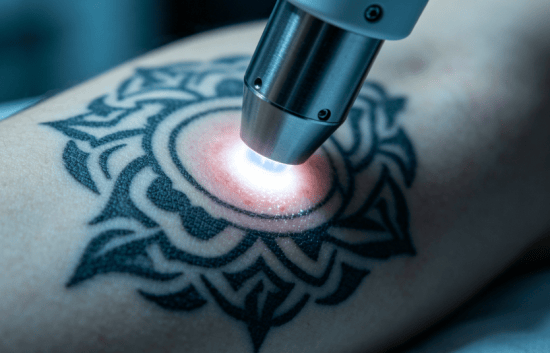
Laser tattoo removal has become the leading solution for those looking to safely and effectively remove unwanted tattoos. This advanced process uses targeted laser technology to break down tattoo ink particles embedded in the skin. Once the ink is fragmented, the body’s immune system gradually removes these particles, fading the tattoo over a series of sessions. Thanks to innovations in laser technology, this method is suitable for a wide range of skin types, including individuals with darker skin tones, and can address tattoos of varying sizes and colors.
The number of laser tattoo removal sessions required to completely remove a tattoo depends on several factors, such as the tattoo’s size, location, and the individual’s skin type and immune response. Typically, most patients can expect to undergo between 6 to 10 sessions, with each session spaced 6 to 8 weeks apart to allow the skin to heal and the body to process the broken-down ink. This careful scheduling ensures the safest and most effective tattoo removal process, helping clients achieve clear skin with minimal risk of side effects.
What is Laser Tattoo Removal and How Does It Work?
To set realistic expectations with clients, it’s essential to explain the science behind the process. Laser tattoo removal works by emitting specific wavelengths of light that are absorbed by the tattoo pigment. This energy fractures the ink into minute particles. Laser tattoo removal work relies on the contrast between heated and unheated ink particles, which helps fragment the ink for effective removal.
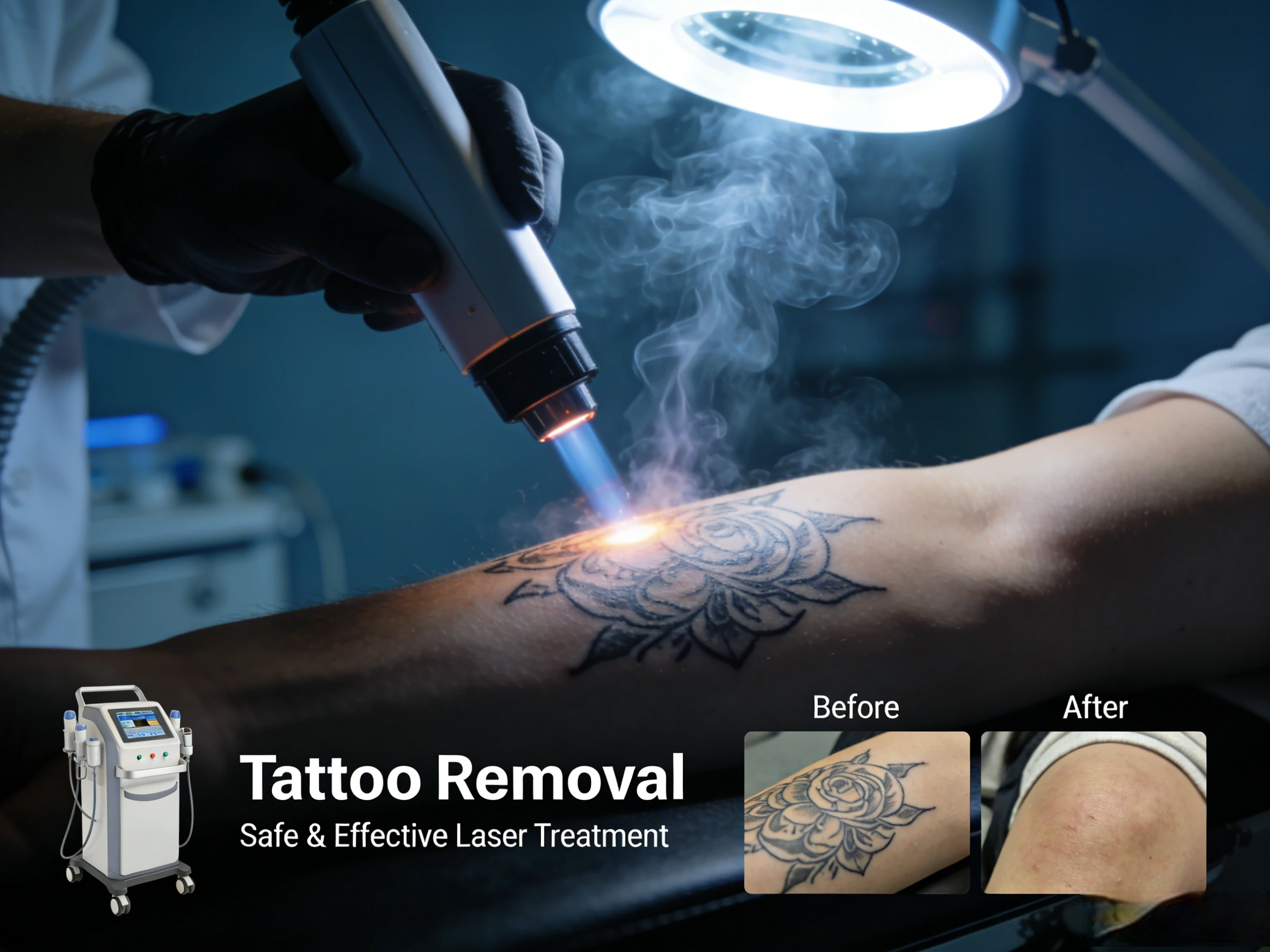
The laser targets the tattoo ink in the dermal layer, just below the top layer (epidermis) of the skin. Laser tattoo removal is a series of simple cosmetic treatments that rely on lasers to fragment and break up the ink particles that make the tattoo.
From there, the body’s immune response takes over: macrophages gradually metabolize and carry away these fragments for natural elimination. The laser creates an ultra-short, ultra-fast, powerful pulse of targeted energy to penetrate the skin deep enough to effectively and efficiently remove the tattoo. The broken ink particles are small enough for your white blood cells to carry them off to the liver, where the particles are expelled. Each of the sessions targets different ink particles, and the depth of the laser is adjusted throughout the treatment process. This biological process is why multiple treatment sessions are required—not just to break down the ink, but to allow the body adequate time to clear it between appointments.
How Many Laser Sessions to Fully Remove a Tattoo? The Average Range
When clients ask, “How many sessions will I need?” the evidence-based answer typically falls between 5 and 15 treatments. Laser tattoo removal typically requires between 6 and 12 sessions for significant fading or complete removal, and up to a dozen sessions may be necessary for some cases. Complete laser tattoo removal can take between 12 and 24 months due to the spacing of treatment sessions.
Industry sources reflect some variation:
Our daily clinical data points to an average of 5–10 sessions for complete clearance. Larger tattoos may require between 8 to 10 removal sessions, while smaller tattoos may need only 5 to 7 sessions. Amateur or homemade tattoos may be removed within 3 to 7 sessions, while professional tattoos can require anywhere from 8 to 20 treatments. Black ink absorbs all wavelengths and fades the fastest, typically requiring 5 to 10 sessions for removal. Noticeable results can often be seen after the first session of laser tattoo removal. Sessions are generally spaced 6 to 8 weeks apart to allow the immune system to remove fragmented ink. Older tattoos often require fewer treatments due to the body's natural ink expulsion over time.
Other sources indicate that most patients require 10 to 15 sessions, depending on case complexity, and that overall laser tattoo removal cost will vary accordingly with tattoo size, colors, and clinic technology.
This variation is not only normal—it’s expected. Factors such as ink density, pigment colors, skin type, and tattoo age all influence treatment length. The purpose of this guide is to help both practitioners and clients better understand where a specific case may fall within that spectrum, supporting informed decisions and realistic expectations from the start.
6 Key Factors That Determine How Many Sessions of Laser Tattoo Removal You Need
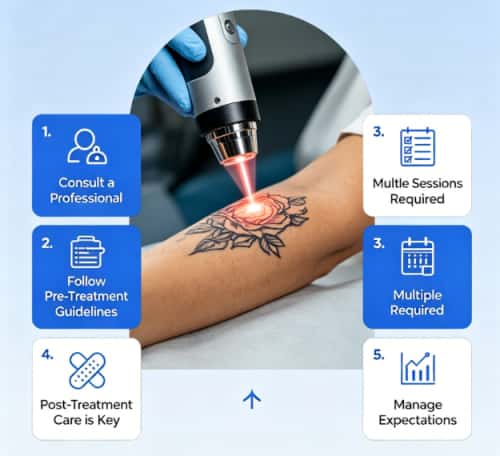
The number of tattoo removal sessions required is not random. It is determined by a combination of factors that a professional person will assess during a laser tattoo removal consultation appointment. Scheduling a consultation with a qualified expert is essential to evaluate your tattoo, discuss your options, and develop a personalized treatment plan. During the appointment, the professional will assess your tattoo and explain how to prepare for your sessions, including pre-treatment steps like sun protection. Clients should schedule their sessions in advance and follow the preparation guidelines provided during the consultation for the best results.
1. Tattoo Size and Density
This is the most obvious factor. A small, fine-line tattoo, like a tiny symbol on the wrist, will naturally require far fewer sessions than a large, dense back piece or sleeve. Larger tattoos may require between 8 to 10 removal sessions, while smaller tattoos may need only 5 to 7 sessions. The more ink there is, the more work the laser and your body have to do. Professional tattoos, which are densely packed with ink, will also take longer to remove than amateur ones.
2. Ink Colors and Colors Used
Different ink colors absorb laser energy differently. This is a critical factor in determining how many sessions of laser tattoo removal you'll need.
-
Dark Colors (Black and Dark Blue): These absorb all laser wavelengths most effectively, making them the easiest to treat. Black ink typically responds fastest.
-
Bright Colors (Yellows, Greens): These are more challenging. They require specific laser wavelengths and often more energy to break down, potentially leading to a higher number of sessions. Some lighter colors can be particularly stubborn.
3. Tattoo Age and Depth
An older tattoo that has been on the skin for many years may have already begun to fade naturally and could be easier to remove. In fact, older tattoos often require fewer treatments because the body's immune system has gradually expelled some of the ink over time. However, the depth at which the ink was originally deposited also matters. Ink placed too deep in the dermis can be harder for the laser to reach consistently.
4. Tattoo Location on the Body
Location significantly impacts treatment. Tattoos on areas with good circulation, such as the chest, back, or upper arms, often respond faster because the body is more efficient at carrying away the fragmented ink particles. Conversely, tattoos on extremities with poorer circulation, like the ankles, wrists, and feet, may require more laser tattoo removal treatment sessions.
5. Client's Skin Type and Immune System
This is a vital consideration. The Fitzpatrick scale classifies skin types based on their reaction to sun exposure. People with lighter skin (Types I-III) are generally considered ideal candidates as the laser can easily target the ink without affecting the skin's natural pigment. For individuals with darker skin tones (Types IV-VI), there is a higher risk of the laser affecting melanin, which can lead to hyperpigmentation or hypopigmentation. This means more caution and potentially more sessions may be required to achieve safe and complete tattoo removal. As with selecting the best laser hair removal machine, correctly applying the Fitzpatrick scale and matching technology to skin type is essential for both safety and results. Furthermore, a person's overall health and immune system efficiency play a role in how quickly the body clears the ink.
6. Type of Laser Technology Used
Not all lasers are created equal. The technology you or your clinic invests in makes a massive difference. Advanced Pico and Q-switched lasers are far more effective at shattering ink particles than older, less powerful models. Using state-of-the-art equipment can significantly reduce the number of sessions for tattoo removal.
The Role of the Tattoo Artist in Removal Outcomes
The original tattoo artist’s technique can have a significant impact on how easily a tattoo can be removed with laser treatments. Factors such as the type and quality of ink used, the depth at which the ink was placed, and the overall application method all play a role in determining the number of laser sessions required for successful tattoo removal. For instance, tattoos created with high-quality, professional-grade ink or applied with expert precision may be more deeply saturated and evenly distributed, making them more resistant to laser removal. Conversely, tattoos done with lower-quality ink or by less experienced artists may fade more quickly during treatment.
Additionally, the depth of the ink in the skin can affect how the laser interacts with the tattoo. Ink that sits deeper in the dermis may require more sessions to fully break down and remove. Because every tattoo is unique, it’s essential to consult with a laser tattoo removal specialist who can assess the specific characteristics of your tattoo and skin. During your consultation, the specialist will evaluate the work of the original artist and develop a personalized treatment plan, outlining the estimated number of sessions needed to achieve complete removal. This tailored approach ensures the best possible outcome for each individual case.
The Treatment Timeline: What to Expect Per Session
Noticeable results can often be seen after the first session or first treatment, with the initial session producing the most visible changes as advanced laser technology begins breaking down the ink.
Before your session, follow these pre-treatment preparation tips:
-
Wear a broad-spectrum sunscreen (SPF 55+) for at least four weeks before your first scheduled treatment.
-
Eat a nutrient-dense snack or meal before your appointment to give your immune system energy to process the broken-down ink pigments.
-
Stay hydrated before your appointment.
-
Avoid taking NSAIDs, such as ibuprofen or aspirin, for several days before your laser removal session—Tylenol is safe if you need pain relief.
-
Ensure the treatment area is clean, shaven, and free of jewelry or cosmetics.
A single laser tattoo removal session is relatively quick. Depending on the size of the tattoo, a session typically lasts between 10 and 30 minutes. During the procedure, you or your client will feel a sensation often described as a rubber band snapping against the skin or hot bacon grease pops. Most patients describe the pain as mild or tolerable, and discomfort can be managed with Tylenol (but avoid NSAIDs). Some lasers also use a cooling device to minimize discomfort.
Immediately after, the area will likely be red, swollen, and may blister slightly. This is a normal reaction and a sign that the treatment is working. The aftercare involves keeping the area clean, moisturized, and protected from the sun. You should avoid sun exposure or cover your tattoo if you go out in the sun between laser tattoo removal treatments. After every session of laser tattoo removal, you will need to give your skin time to heal itself before scheduling the next treatment. There is no need to worry about downtime or complications—just relax and follow the post-care instructions.
Why Are Sessions Spaced Apart? The Importance of Healing Time
You might wonder why treatments can't be done every week. The spacing between sessions is crucial for both safety and effectiveness. Treatments are typically scheduled 4 to 8 weeks apart.
This waiting period serves two essential purposes:
-
Healing: It gives the skin time to recover from the laser's impact, reducing the risk of scarring and other side effects.
-
Ink Clearance: It allows your body's lymphatic system the necessary time to process and eliminate the fragmented ink particles. Trying to speed up the process by having sessions too close together is ineffective and dangerous.
Laser Tattoo Removal: Pros, Cons, and Potential Side Effects
Pros:
Effective: It is the most common and proven method for significantly fading or completely removing unwanted tattoos.
Non-Invasive: There are no incisions, and the skin remains intact.
Precision: Modern lasers can target ink with minimal damage to the surrounding skin.
Cons and Side Effects:
Multiple Sessions: As established, it requires a commitment to multiple treatments over a year or more.
Discomfort: The procedure can be painful, though manageable.
Side Effects: Common side effects include temporary redness, swelling, and blistering. More serious but rare risks include scarring, infection, and changes in skin pigmentation (lightening or darkening of the skin), especially in clients with darker skin tones.
Traditional methods like dermabrasion were used before lasers, but these were more painful and carried higher risks compared to modern laser tattoo removal.
A Professional Perspective: What This Means for Your Clinic
For beauty clinic owners, medspa directors, and equipment buyers, understanding the nuances of how many sessions to remove a tattoo is fundamental to business success, just as partnering with a reliable beauty machinery manufacturer and equipment supplier is crucial for long-term growth.
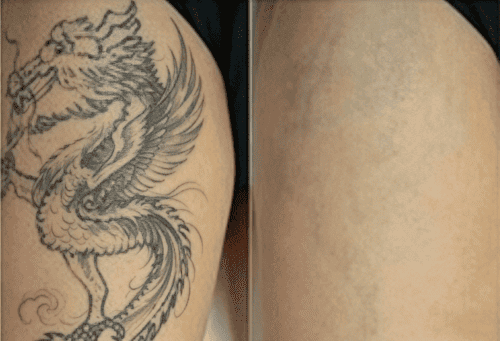
Setting Client Expectations: The number one reason for client dissatisfaction is unmet expectations. It is essential to schedule an appointment for a laser tattoo removal consultation before beginning treatment. This consultation allows you to assess the tattoo, discuss options, and develop a personalized treatment plan, including estimating the number of sessions needed. Using the factors outlined above, you can have honest, educational consultations. Show clients similar cases and explain why their specific tattoo might take 8 sessions versus 12. This builds trust and ensures they are mentally and financially prepared for the journey. Clinics should also help clients schedule their treatment sessions in advance to ensure optimal results and smooth communication.
Treatment Packages and Pricing: Knowing the average number of sessions allows you to create profitable and attractive treatment packages. Instead of pricing per session, you can offer packages of 6, 10, or unlimited sessions for a set period, which provides value to the client and secures recurring revenue for your clinic. Lessons from analyzing how much a facial usually costs can also help you structure tiered pricing and communicate value effectively to clients.
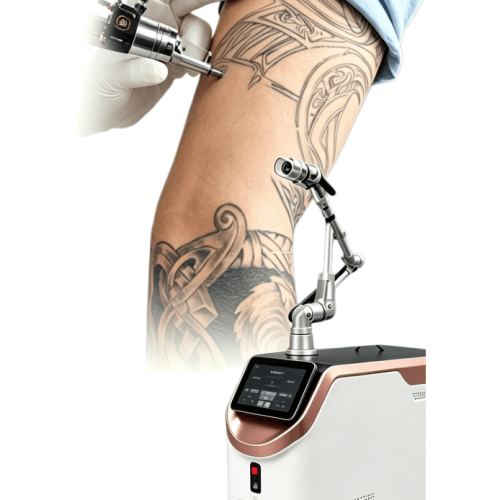
Investing in the Right Equipment: To deliver on these promises effectively and efficiently, your choice of technology is critical. This is where having a versatile and advanced system makes all the difference. Clinics evaluating the best laser for tattoo removal technologies and brands will focus on systems that can treat different ink colors and skin types and may ultimately choose a professional multi-wavelength laser system, like those we offer at Jingyue Beauty.
Our tattoo removal machines apply advanced laser technology to break down tattoo pigments safely and effectively, precisely supporting the treatments discussed here. When planning investments, understanding how much a laser tattoo removal machine costs helps you choose equipment that emphasizes efficacy, speed, and a strong safety profile, so you can potentially reduce the number of required sessions for your clients and confidently treat a broader range of individuals, including those with darker skin tones. This turns a clinical need into a powerful and competitive advantage for your practice.
Conclusion: Setting Realistic Expectations for Complete Tattoo Removal
So, how many sessions to remove a tattoo? The answer is a journey, not a single number. While the average falls between 5 and 15 sessions, the true number is a unique equation based on the tattoo’s size, color, location, age, and the client’s skin type and overall health.
Many people seek laser tattoo removal to get rid of an unwanted tattoo—whether it's to make room for a new tattoo or to turn the page on a chapter of their life. Removing tattoos can help clients move forward, rid themselves of past reminders, and embrace new changes in their life.
For anyone considering the procedure, the most important step is to seek a consultation with a qualified and experienced professional using high-quality laser equipment. They can provide a personalized assessment and a realistic estimate of the laser tattoo removal how many sessions will be needed for your specific case. For professionals in the beauty industry, mastering this knowledge is the key to delivering excellent results, building a loyal client base, and making informed decisions about the technology you offer. The path to removing unwanted ink requires patience, but with the right information and expertise, complete tattoo removal is an achievable goal.
Ready to take the next step?
For consumers: Book a consultation with a certified professional today to receive a personalized treatment plan tailored to your unique tattoo.
For clinic owners and professionals: Explore our range of advanced, multi-wavelength tattoo removal systems at Jingyue Beauty and equip your practice with the technology to deliver exceptional results. Contact us for a personalized equipment consultation and discover how our solutions can help you build client trust and grow your business.
Laser Tattoo Removal Side Effects: What Clinics Must Tell Clients
How Much Does A Laser Tattoo Removal Machine Cost
Related Article