Laser Tattoo Removal Side Effects: What Clinics Must Tell Clients
Introduction: The Growing Demand for Tattoo Removal
Laser tattoo removal has become one of the most sought-after aesthetic procedures worldwide. As tattoos become more common, more people want to remove them. They may change their lifestyle, meet career needs, or shift in personal taste.
Laser tattoo removal is an FDA-approved procedure that is generally safe for most people when performed by trained professionals. It offers a safe and effective solution for removing unwanted ink from the skin.
For aesthetic clinics, beauty professionals, and distributors of medical aesthetic devices, offering laser tattoo removal represents a significant business opportunity. However, with this opportunity comes a critical responsibility: managing client expectations regarding safety and results. Choosing a qualified provider for laser tattoo removal is essential for optimal results and minimizing risks.
While modern laser technology has made tattoo removal more effective than ever, it is not without risks. Understanding laser tattoo removal side effects is vital for clinical safety.
It also helps you build trust with your clients. Setting realistic expectations about outcomes and possible side effects is crucial for client satisfaction and safety.
This complete guide covers the most common concerns.
It answers key questions like: does laser tattoo removal cause cancer? It also explains whether tattoo removal leaves scars.
By understanding these risks and how to reduce them, clinics can deliver better care. Device distributors can also support clients with clear, science-based information.
How Laser Tattoo Removal Works
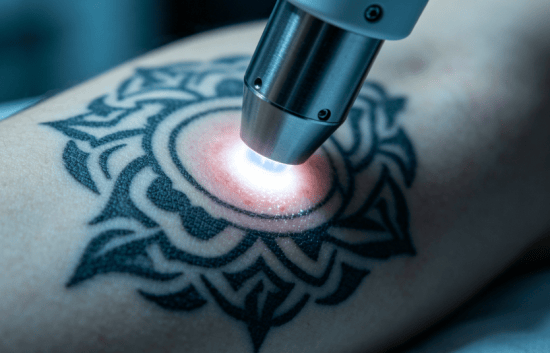
To fully understand the potential side effects, one must first grasp the mechanism behind the laser tattoo removal treatment. This tattoo removal process uses advanced laser treatment to target and break down tattoo pigment in the skin. Laser tattoo removal work involves selective photothermolysis—a process where concentrated light energy targets tattoo ink particles. The laser breaks these particles into smaller fragments, which the body’s immune system then gradually eliminates as part of the healing process.
The two main technologies on the market are Q-switched lasers and picosecond lasers. For clinics comparing devices, understanding the best laser technologies and brands for tattoo removal is essential for matching equipment to client needs.
Q-switched lasers deliver energy in nanoseconds.
Picosecond lasers use ultra-short pulses measured in picoseconds. Picosecond lasers, like PicoWay and PicoSure, are often preferred. They can break up ink more efficiently. They may also cause less heat damage to the surrounding skin. Multiple lasers may be used during laser tattoo removal treatment to address different ink colors or skin types for optimal results.
Compared to other tattoo removal methods such as dermabrasion or surgical excision, laser tattoo removal treatment is considered the safest and most effective option. Laser treatment is generally safer because it selectively targets the pigment in the tattoo, minimizing damage to surrounding tissue, especially when clinics understand what a Q-switched laser is and how it works.
However, no matter the device, the process still causes a controlled skin injury. This naturally leads to some inflammation. This response is the root cause of most common laser tattoo removal side effects.
Short-Term Common Laser Tattoo Removal Side Effects
For clinics and device retailers, educating clients about what to expect immediately after treatment is crucial for reducing anxiety and ensuring proper aftercare. Experiencing a common side effect such as redness, swelling, blistering, scabbing, or itching is a natural response of the body and part of the laser tattoo removal journey. These effects of laser tattoo removal are typically mild and temporary, with the skin usually healing within a few weeks.
The treatment area requires special care to prevent complications and promote optimal healing. Following proper aftercare instructions—such as keeping the treatment area clean and dry, using a waterproof bandage, wearing loose-fitting clothing, and avoiding sun exposure and exercise for 24 hours—is essential. Temporary blistering, scabbing, and itching are common during the healing process. Over-the-counter pain relief like acetaminophen or ibuprofen can help manage discomfort, but clients should seek treatment if blisters larger than a dime develop. Most side effects resolve quickly, and adhering to aftercare guidelines helps ensure the best possible outcome.
✅Redness and Swelling
Immediately following a session, the treated area typically becomes red and slightly swollen. This is a standard inflammatory reaction, similar to a mild sunburn. The erythema and edema usually subside within a few hours to a couple of days. Clinics should advise clients that applying a cold pack intermittently can help manage this discomfort.
✅Blistering and Scabbing
Blistering is one of the more alarming yet common laser tattoo removal side effects, often accompanied by skin irritation such as redness, itching, or mild discomfort. It occurs when the laser energy causes fluid to accumulate between the epidermal and dermal layers.
Blistering is a common but temporary side effect, and small blisters are generally a sign that the treatment was effective. After laser tattoo removal, it is essential to keep the treatment area clean and dry to avoid infection, especially if blisters or open wounds are present. Wearing loose-fitting clothing and using a waterproof bandage can help prevent irritation and protect the area from damage and infection. However, you must instruct clients never to pop blisters, as doing so significantly increases the risk of infection and scarring. Advise clients to seek medical attention for blisters larger than a dime. Scabbing may follow as the skin begins to heal, typically peeling off naturally within one to two weeks.
✅Itching and Tenderness
As the skin regenerates, itching is a common side effect of laser tattoo removal. You can manage this with gentle moisturizers (as the practitioner recommends) or, if necessary, over-the-counter antihistamines. Itching typically subsides once the area is fully healed. Clients should avoid scratching and wait until the skin is fully healed before resuming activities that may irritate the treated area, as this helps prevent complications such as scarring or infection. Warn clients not to scratch, because scratching can damage the fragile healing skin and introduce bacteria.
Long-Term Risks and Skin Pigmentation Changes
Beyond the immediate healing phase, there are long-term considerations that clinics must discuss during consultations. One potential long-term side effect is skin discoloration, which can occur after laser tattoo removal. Pigmentary changes are among the most significant tattoo removal risks, particularly for clients with darker skin tones, who have a higher risk of pigmentation changes like hyperpigmentation or hypopigmentation. Dark spots, called hyperpigmentation, may develop when treated skin becomes darker than the non-treated areas. Hyperpigmentation is usually temporary but can be permanent in rare cases.
✅Hypopigmentation: When Skin Lightens
Hypopigmentation refers to the loss of natural skin color, resulting in lighter patches where the laser was applied. This happens when the laser energy inadvertently damages melanocytes—the cells responsible for producing pigment. While often temporary, resolving over several months, it can become permanent in some cases.
This risk is higher with Q-switched lasers if settings are too aggressive. Picosecond lasers have shorter pulses.
They often have a lower risk of hypopigmentation. This makes them a preferred choice for clinics treating many skin types.
✅Hyperpigmentation: Dark Spots After Treatment
Conversely, hyperpigmentation appears as dark spots or patches. This is more common in individuals with Fitzpatrick skin types IV to VI. It represents an overproduction of melanin in response to inflammation.
Proper pre-treatment assessment and post-treatment sun protection are critical to minimizing this risk. Clinics should emphasize that sun exposure before or after treatment can dramatically increase the likelihood of both hypo and hyperpigmentation.
Does Laser Tattoo Removal Cause Cancer? Addressing the Myth
One of the most persistent questions clients ask—and a crucial point for clinics to address—is: does laser tattoo removal cause cancer? The short answer is no. No scientific evidence shows that laser tattoo removal causes skin cancer or any other cancer.
The laser used in tattoo removal is a non-ionizing form of radiation. Unlike ionizing radiation, like X-rays, which can damage DNA and may cause cancer, non-ionizing lasers do not. They operate by creating photothermal or photomechanical energy to break down ink particles, not by altering cellular DNA structure.
However, there is an important nuance: clinics must ensure that the tattoos being treated do not conceal existing skin cancers. It is not uncommon for people to get a tattoo over a mole or lesion.
Some also use a tattoo to hide a scar from a past biopsy. Clinics should always perform a thorough skin examination before treatment and refer any suspicious lesions to a dermatologist. While the procedure itself does not cause cancer, proper screening is a non-negotiable part of safe practice.
Does Tattoo Removal Leave Scars? Causes and Prevention
Another primary concern for both clients and clinics is scarring. So, does tattoo removal leave scars? The answer depends heavily on the technology used, the skill of the practitioner, and the client’s aftercare adherence.
In the hands of a trained professional using modern equipment, the risk of permanent scarring is very low. Scarring is completely avoidable with proper care and aftercare. Scarring typically results from one of three factors:
-
Incorrect laser settings: Using too much fluence (energy) can cause heat damage past the dermis. This can lead to atrophic (indented) or hypertrophic (raised) scars.
-
Poor aftercare: Infection due to unhygienic practices, or picking at blisters and scabs, is a leading cause of textural changes and scarring.
-
History of keloids: Individuals prone to keloid scarring are at higher risk and may not be ideal candidates. Keloid scars are a rare but possible complication, appearing as raised, thickened areas of skin that can develop several months after treatment. To minimize the risk of keloid formation, avoid sun exposure and follow all recommended skin care instructions.
Individuals with open wounds or active skin infections should avoid laser tattoo removal until the skin has fully healed to prevent complications such as infection or delayed healing.
For device retailers and clinics, emphasizing the importance of advanced laser technology is key. Many choose professional tattoo removal machines based on Q-switched Nd:YAG technology. Picosecond lasers rely more on mechanical disruption than heat. When used properly, they usually have a lower risk of scarring.This is compared to older Q-switched nanosecond devices.
Laser Tattoo Removal Disadvantages: A Balanced View for Clinics
To maintain credibility and manage client expectations, it is important to discuss the laser tattoo removal disadvantages honestly. This transparency helps clinics attract serious clients and reduces the likelihood of negative reviews from those with unrealistic expectations.
-
Unwanted Tattoo Removal: Many clients seek laser tattoo removal to eliminate an unwanted tattoo, aiming for clear, ink free skin. Laser technology is considered the safest way to remove tattoos, but results can vary.
-
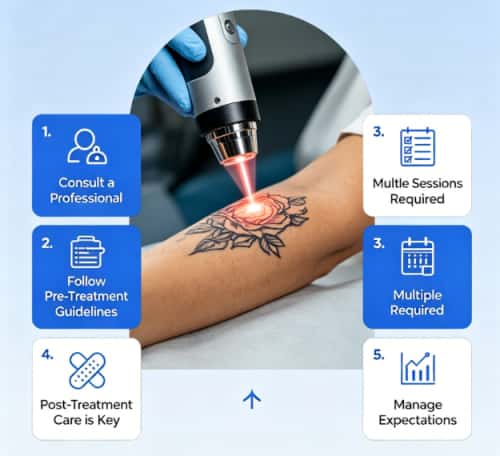
Multiple Laser Tattoo Removal Sessions Required: Most tattoos require multiple laser tattoo removal sessions—typically four to 15 or more—spaced several weeks apart. Most tattoos cannot be removed in a single session, and the process to remove tattoos can take months.
-
Incomplete Removal: Not all tattoos can be fully removed. Certain ink colors (like neon green, yellow, and fluorescent colors) are notoriously difficult to treat. Paradoxical darkening, where some ink colors darken after treatment, can occur and may require additional sessions to address. Additionally, amateur tattoos or those with heavy metal-based inks may respond unpredictably.
-
Pain and Discomfort: A common concern is, does tattoo removal hurt? The procedure can be uncomfortable, often described as feeling like a rubber band snapping against the skin. Numbing cream is typically applied before treatment to help manage pain and improve comfort.
-
Cost: The cumulative cost of multiple sessions can be significant. It is essential to discuss costs upfront and obtain all charges in writing before starting treatment to avoid surprises, as many factors influence how much laser tattoo removal costs overall.
-
Variable Results: Factors such as tattoo age, location (areas with poor circulation like the fingers and feet are harder to treat), and the client’s immune system all influence the outcome.
Factors That Increase the Risk of Side Effects
Understanding what affects side effects helps clinics improve their protocols and helps distributors educate their buyers. The most crucial factor influencing tattoo removal success is the immune system, as it plays a key role in breaking down and clearing ink particles after treatment. Maintaining good overall health and following proper aftercare are essential for optimal healing and results.
Skin health is also vital—healthy skin can better tolerate laser treatments, recover faster, and is less prone to complications or prolonged side effects. Choosing a provider with extensive experience and specialization in laser tattoo removal is critical for achieving the best results and minimizing risks. This is especially important for clients with darker skin, as the provider should have experience treating individuals with similar skin types to ensure safety and effectiveness, similar to how choosing the best laser tattoo removal machine for different skin types depends on careful assessment.
✅Skin Type and Fitzpatrick Scale
Clients with darker skin (Fitzpatrick IV-VI) are at a higher risk for pigmentation changes. Clinics treating these clients must use lasers with longer wavelengths (such as 1064nm Nd:YAG) and lower fluences to protect the melanin in the skin.
✅Laser Technology: Picosecond vs. Q-Switched
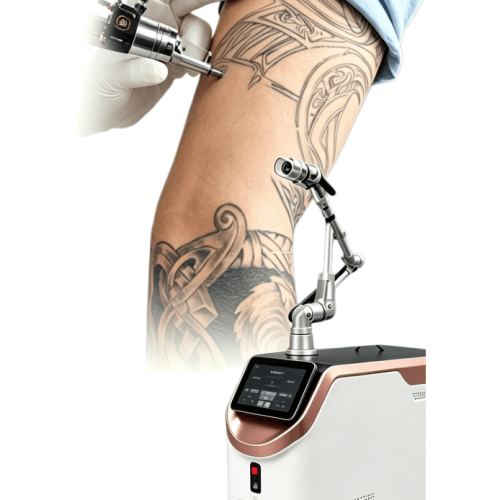
The choice of device is a major factor in safety. Just as with professional laser tattoo removal machines on the market, understanding specifications and indications is vital. Picosecond lasers (like PicoWay, PicoSure, and PicoSure Pro) are generally superior for minimizing thermal damage. They shatter ink more efficiently with less heat, reducing the risk of scarring and post-inflammatory hyperpigmentation.
Q-switched lasers remain effective, particularly for black ink, but require a more skilled operator to avoid adverse effects. For clinics looking to invest in equipment, understanding this distinction is critical for business success and client safety, especially when planning Q-switched laser treatments for pigmentation and tattoos.
✅Operator Skill and Clinic Standards
Even the most advanced laser cannot compensate for an inexperienced operator. Proper training in choosing spot size, adjusting fluence, and spotting end-point reactions is essential. Such reactions include instant skin whitening, called “frosting.”
The Role of Aftercare in Minimizing Side Effects
For clinics, proper aftercare instructions are not just recommendations—they are a medical protocol essential for minimizing risks and optimizing results. Following these instructions helps avoid infection, prevent irritation, and ensures the best possible outcome. Distributors can add value by providing educational materials on aftercare to their clinic clients.
Key aftercare steps include:
-
Cooling: Apply ice packs for the first 24-48 hours to reduce swelling and prevent blistering. Keeping the treatment area cool and dry during this period can promote healing and reduce pain.
-
Cleansing: Gently wash the area with mild, fragrance-free soap and water. Keep the area clean and dry to avoid infection, especially if blisters or open wounds are present. Avoid scrubbing.
-
Moisturizing: Keep the area hydrated with non-comedogenic ointments as directed. Avoid petroleum-based products if blisters are present without professional advice, as they can trap heat.
-
Sun Protection: This is non-negotiable. The treated area must be shielded from the sun entirely. Sun exposure during the healing process is the number one cause of permanent pigmentation issues. SPF 50+ is mandatory.
-
No Picking: Clients must be strictly instructed to never pick, itch, or tear at blisters or scabs. Doing so is the fastest route to scarring.
-
Clothing: Wear loose clothing over the treated area to prevent irritation and chafing. This helps protect the skin and promotes comfort during healing.
-
Bandaging: Using a waterproof bandage can help protect the treatment area from damage and infection, especially if there are blisters or open wounds.
Note: Individuals with open wounds or active skin infections should not undergo laser tattoo removal until fully healed to prevent complications such as infection or delayed healing.
Key Takeaways for Aesthetic Clinics and Device Distributors
For those who provide or sell tattoo removal services and equipment, the information above shows key strategic opportunities, including understanding how much a laser tattoo removal machine costs and its ROI:
-
Education as a Marketing Tool: Clinics that publish detailed guides on laser tattoo removal side effects and safety protocols position themselves as authorities. This builds trust before the client even walks through the door.
-
Technology Investment: For distributors and clinic owners, investing in modern picosecond laser technology is a strong selling point. Marketing a “lower risk of scarring and hyperpigmentation” is a powerful differentiator in a competitive market.
-
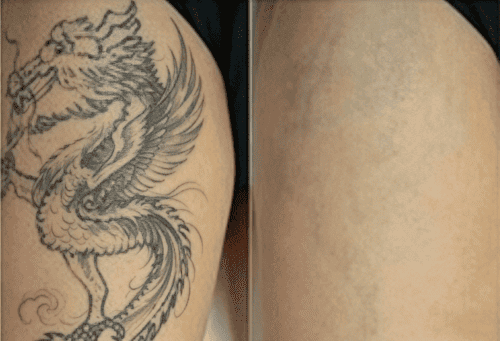
Consultation Protocols: Scheduling a consultation allows the laser technician to evaluate your tattoo and skin for predictable treatment results. Clients should ask critical questions during the consultation about the clinic's technology, safety protocols, and experience. Reputable clinics will have a library of before and after photos to showcase their results. These steps help clients make an informed decision about their laser tattoo removal options. A full consultation checks skin type, tattoo history, and medical background. It is not just a formality. It is a tool for managing risk.
-
Aftercare Products: Selling or recommending premium aftercare products adds revenue and improves results. These include medical-grade moisturizers, silicone scar sheets, and high-SPF sunscreens, alongside partnering with a professional beauty machinery manufacturer and equipment supplier to support broader treatment offerings.
Conclusion: Prioritizing Safety and Education
Laser tattoo removal is a highly effective procedure that has evolved significantly with advances in laser technology. However, like any medical aesthetic treatment, it is accompanied by potential risks. By learning about laser tattoo removal side effects, clinics can keep clients safe.
Clinics should also correct myths, such as “does laser tattoo removal cause cancer.” Clinics can follow strict steps to prevent scarring.These steps help clinics deliver great results.
For aesthetic clinics, the goal should be to balance efficacy with safety. For beauty device distributors and retailers, the goal is to help clinics succeed. They do this by giving clinics the right knowledge and technology. By focusing on training and high-quality equipment, the industry can keep growing and maintain top care standards.
Ultimately, the most successful businesses in this space will be transparent about laser tattoo removal disadvantages. They will manage expectations realistically. They will also celebrate the life-changing results from safe, effective treatment. Whether you run a clinic or work as a distributor, you may want to grow your services.
Focus on safety and education. This is the most sustainable path to success in laser tattoo removal.
How Long Does Tattoo Removal Take? A Complete Timeline for Clinics & Clients
How Many Sessions To Remove Tattoo? The Ultimate Guide to Laser Tattoo Removal
Related Article